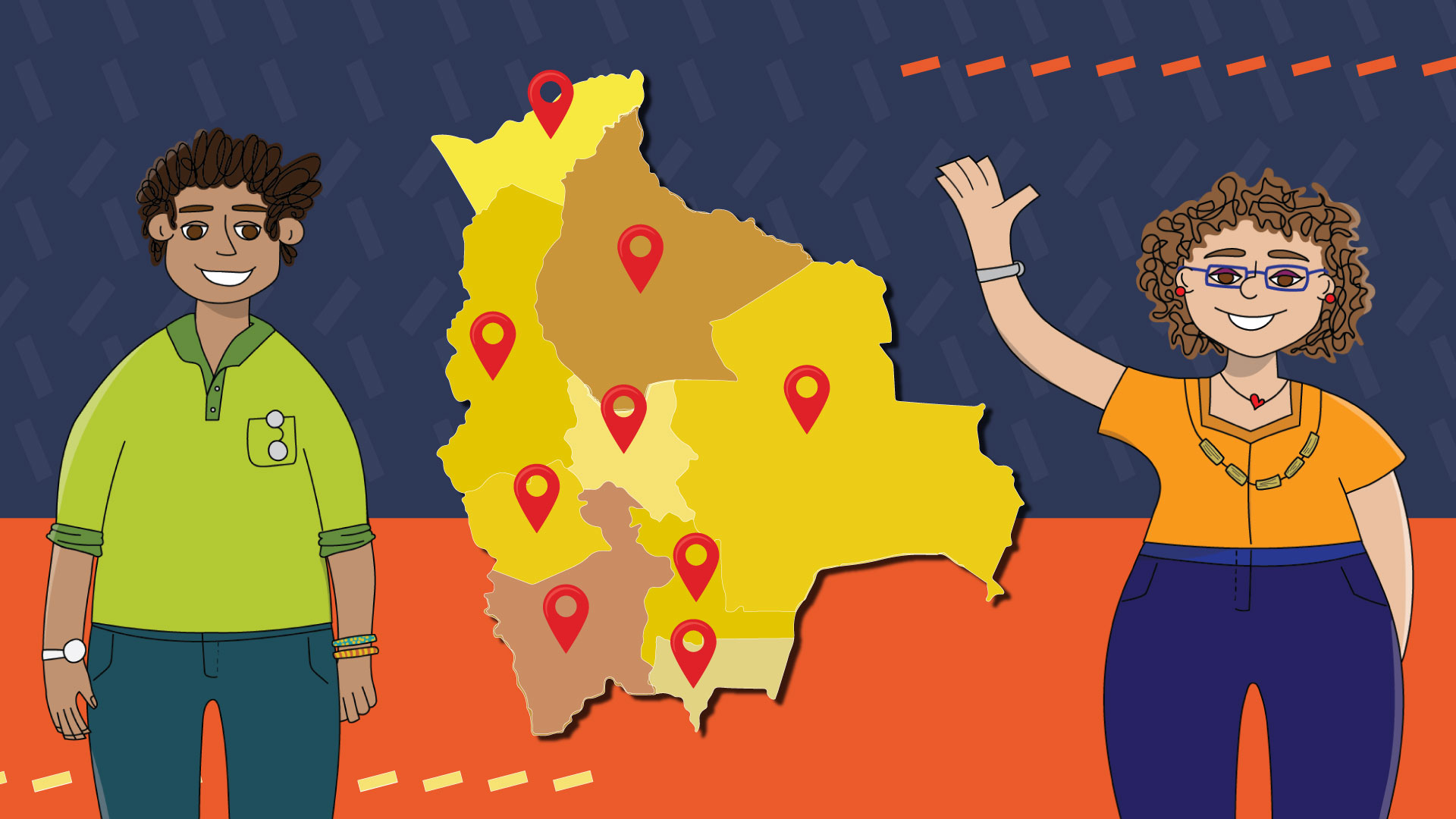
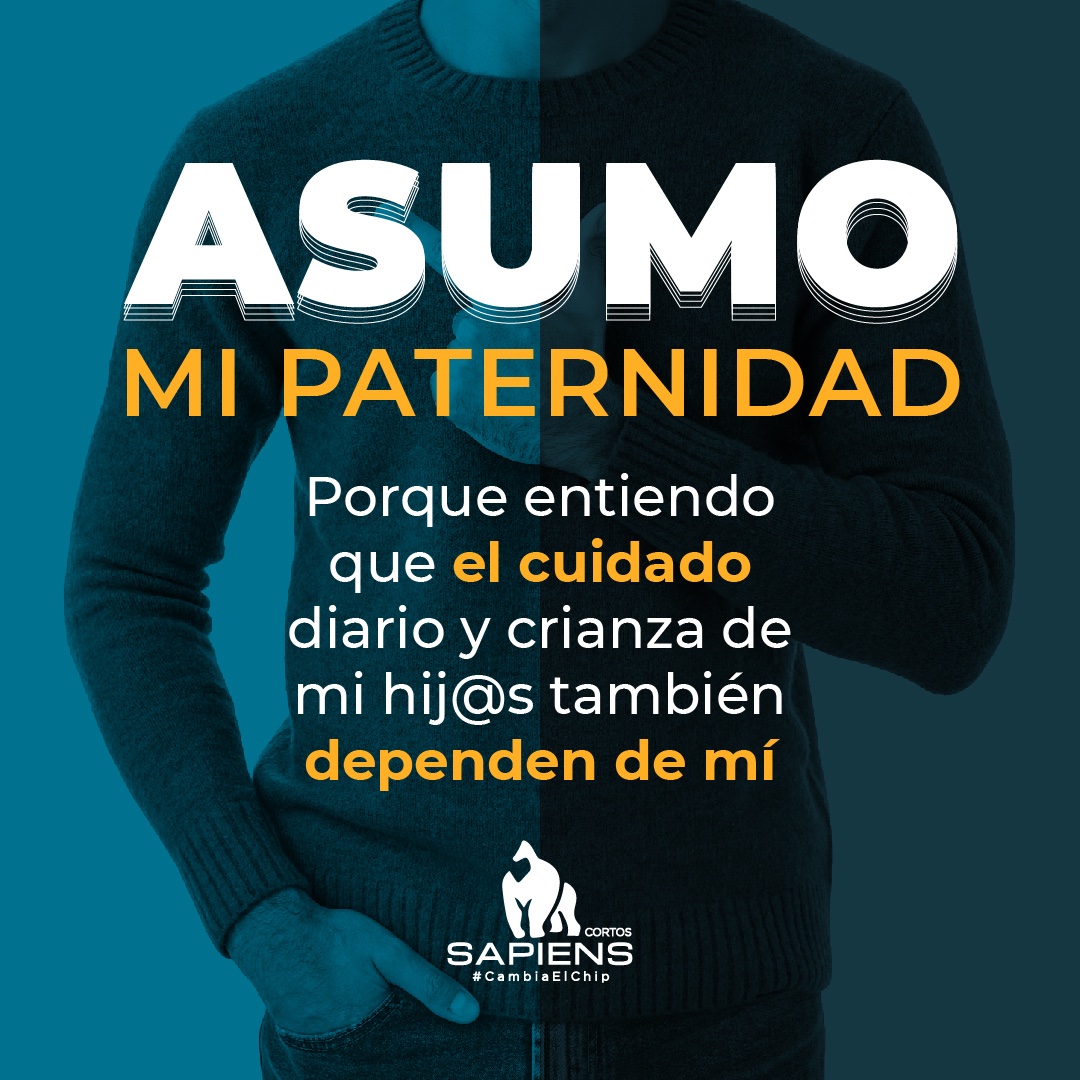
This pedagogical guide on masculinities is a material designed for teachers in Bolivia, so that they can have tools that will allow them to address the issue of masculinities in their classrooms. Men must also be involved in the paradigm shift and awareness of the problems of violence and the best place to generate this awareness is in schools. For a Bolivia without violence.
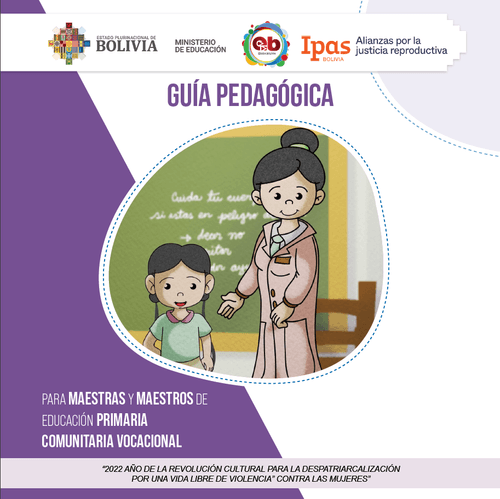
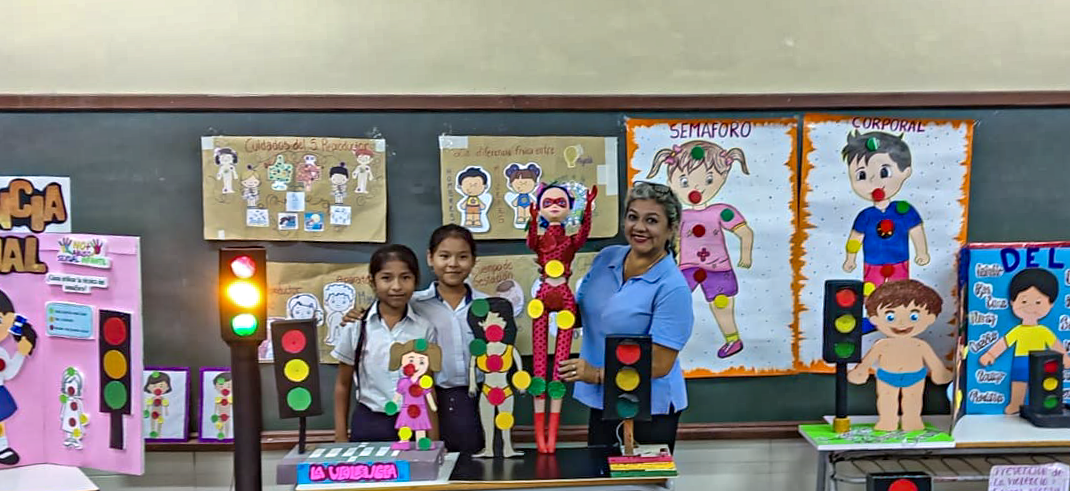
This “Pedagogical Guide on Sexual Violence for Primary Education” allows teachers to access information and pedagogical tools to address the problem of sexual violence in the classroom. It was elaborated together with the Ministry of Education and is a very important material to be able to see the dimension of sexual violence in our society. It serves to raise awareness and to talk about this very delicate issue. Prevention is the best way to combat sexual violence.
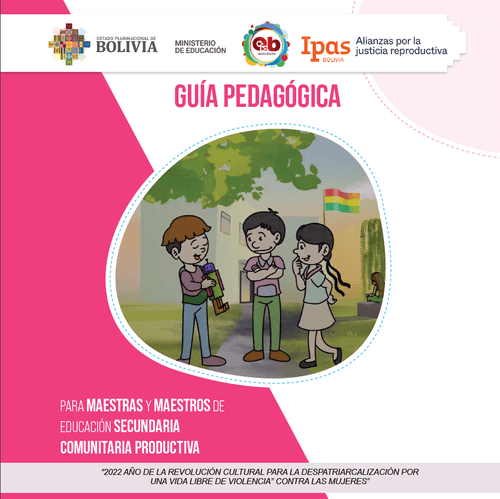
This “Pedagogical Guide on Sexual Violence for Secondary Education” allows teachers to access information and pedagogical tools to address the problem of sexual violence in the classroom. It was elaborated together with the Ministry of Education and is a very important material to be able to see the dimension of sexual violence in our society. It serves to raise awareness and to talk about this very delicate issue. Prevention is the best way to combat sexual violence.
The Inter-institutional Action Route seeks to strengthen the system of access to justice for victims of gender violence, in order to provide an adequate, immediate, effective and non-revictimizing response to the needs of the victims, within the framework of the articulation and coordination of the institutions that are part of the chain of care.
The violentometer is a graphic and didactic tool in the form of a ruler that makes it possible to identify and classify the different manifestations of sexual violence that occur in our environment.
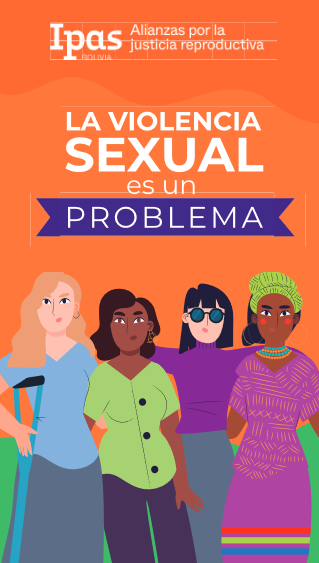
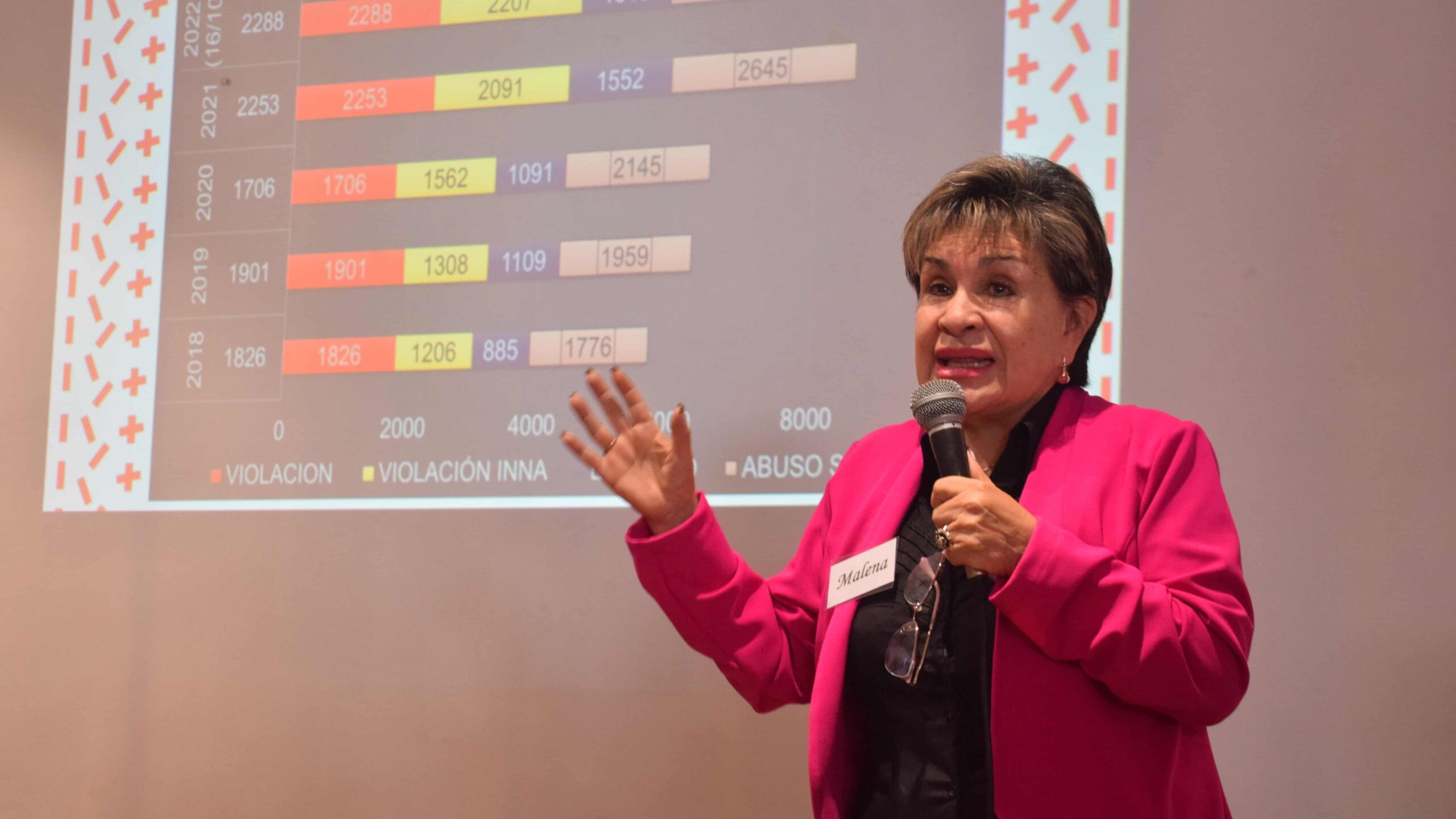
Sexual violence includes rape, incest, child sexual assault, ritual abuse, acquaintance rape, statutory rape, spouse or partner rape, sexual exploitation, sexual contact, sexual harassment, exposure and voyeurism. Sexual violence violates a person's trust and sense of security. It happens to people of all ages, races, sexes, sexual orientations, religions, professions, incomes and ethnicities.
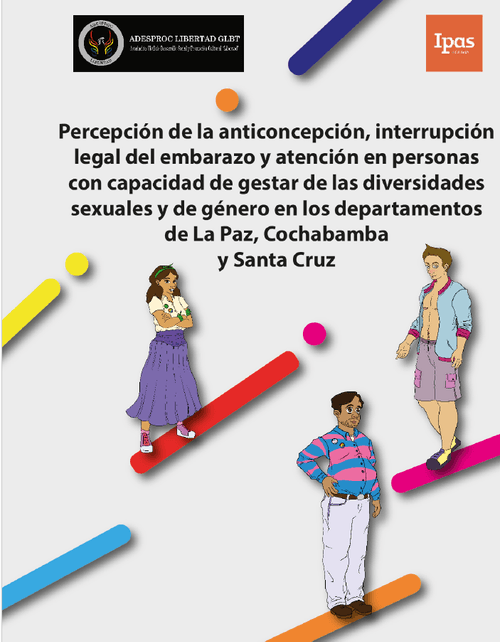
The document is a research report on sexual and reproductive health in Bolivia, specifically on access to contraceptives, legal termination of pregnancy, and care for people of sexual diversity. It includes definitions and key terms on gender diversity, providing social and legal context for understanding these issues in the country. It also presents a glossary of acronyms and relevant terms.
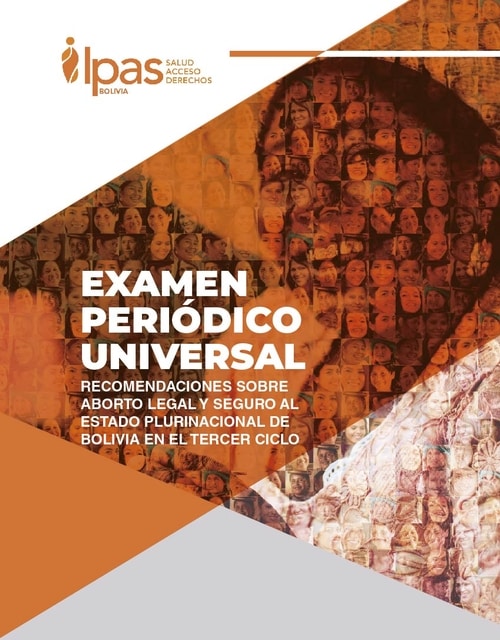
Recommendations on safe and legal abortion to the Plurinational State of Bolivia in the third cycle.
It has been more than 45 years since the Bolivian Penal Code was approved and its article 266 states that a pregnancy can be legally terminated when it is the result of rape, statutory rape or incest. It also proceeds to avoid danger or risk to the life or health of the pregnant woman. In order for a legal abortion to be possible, the pregnant woman must have initiated a criminal action and a judge must authorize the practice. However, on February 5, 2014, the Plurinational Constitutional Court (TCP) issued the Plurinational Constitutional Ruling (SCP) 0206/2014.
Abortion is a controversial issue. Opponents of abortion legalization and availability of abortion services have spread misinformation to reduce women's access to the full range of reproductive options. They aim to stigmatize the procedure, the people who provide abortion services and the women who have abortions. That's why Ipas developed Ten Facts about Abortion, a resource that provides scientific information for reproductive rights advocates.