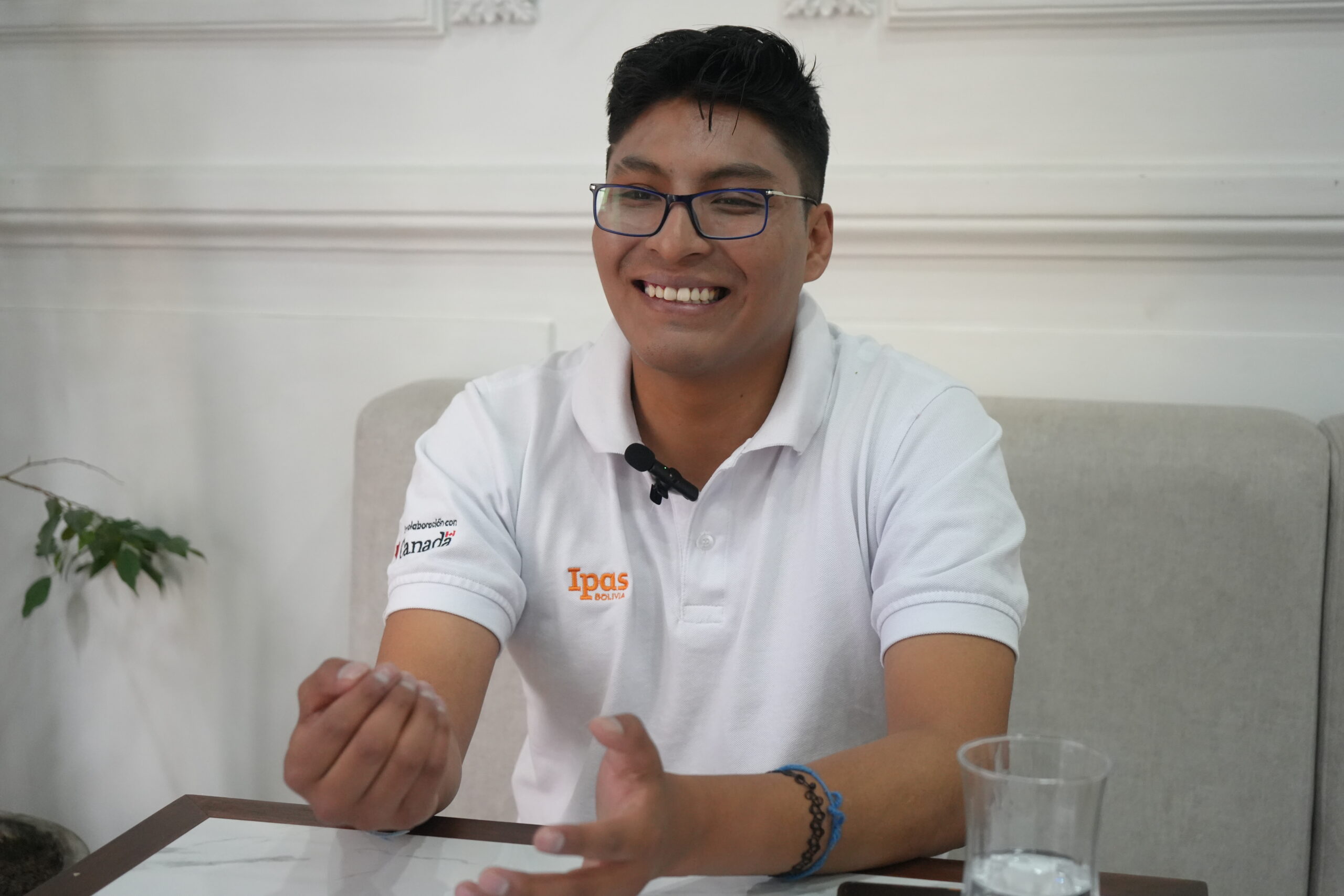




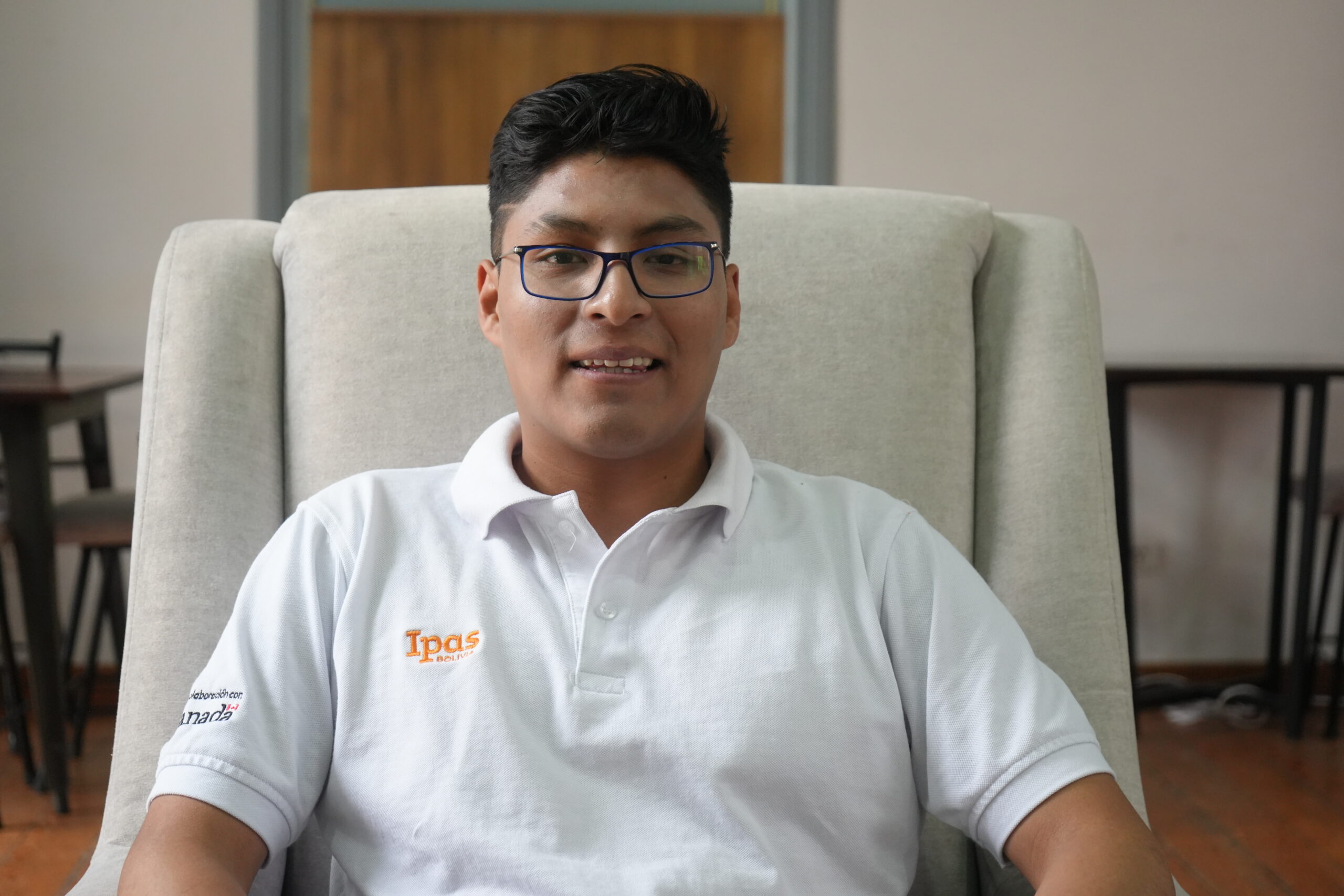
“Break the chain” is Alejandro’s response when he recalls how he saw his mother go through situations of violence at home. He never understood it as something normal; on the contrary, that experience marked him and led him to ask himself how he could change the course of his life so that history would not repeat itself.
“It’s like a chain that I see, because I think it has come and affected my family environment, maybe from my grandfather, from my father, and now he wants to link me and my brother. But I think it’s time to change,” he says.
Over time he came to understand that many of the situations he observed during his childhood were not isolated cases. Behind them were deeply rooted ideas about what it means to be a man: exercising authority, repressing emotions or assuming that violence is part of relationships. Challenging those beliefs became an important part of his personal process.
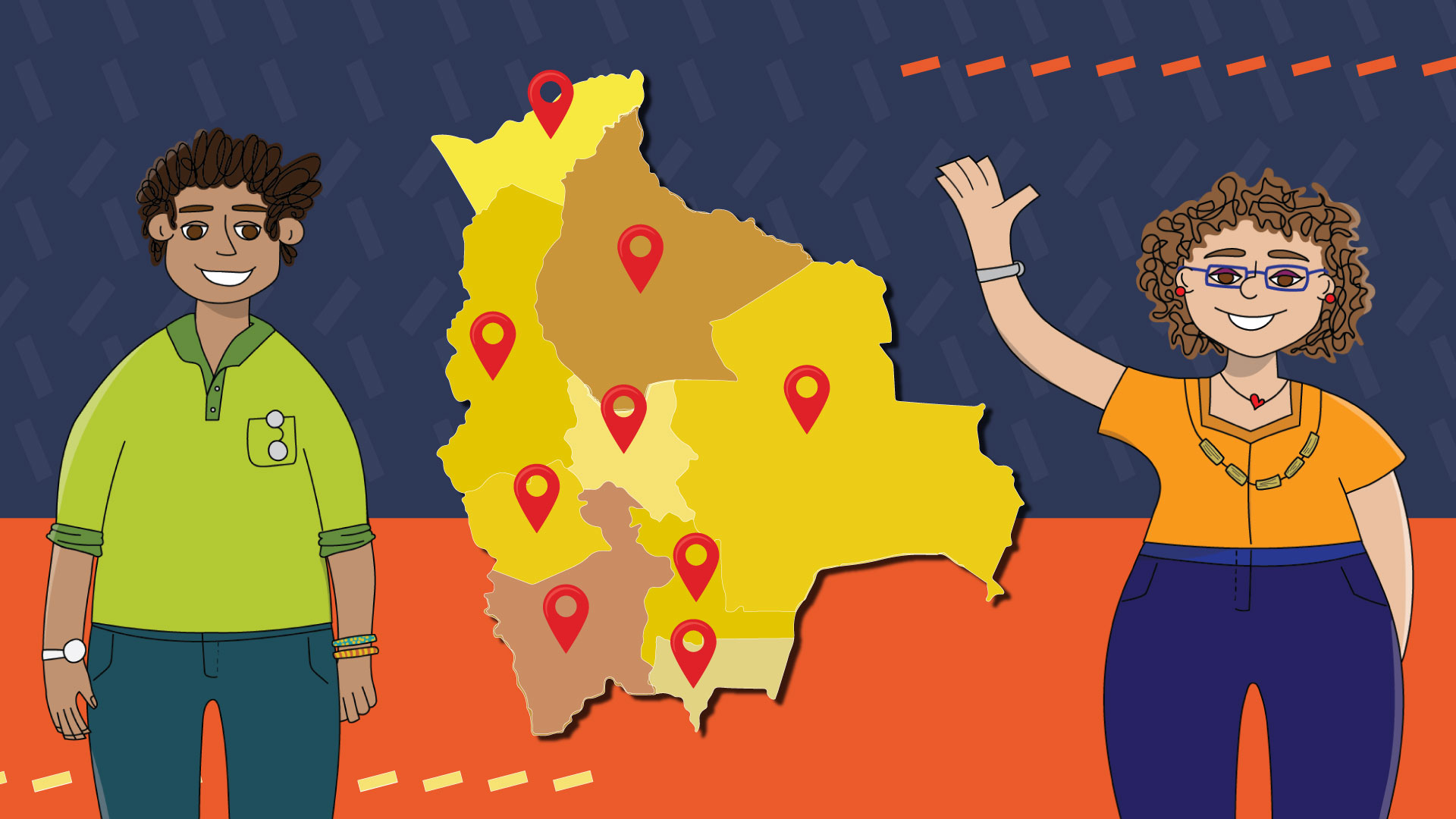
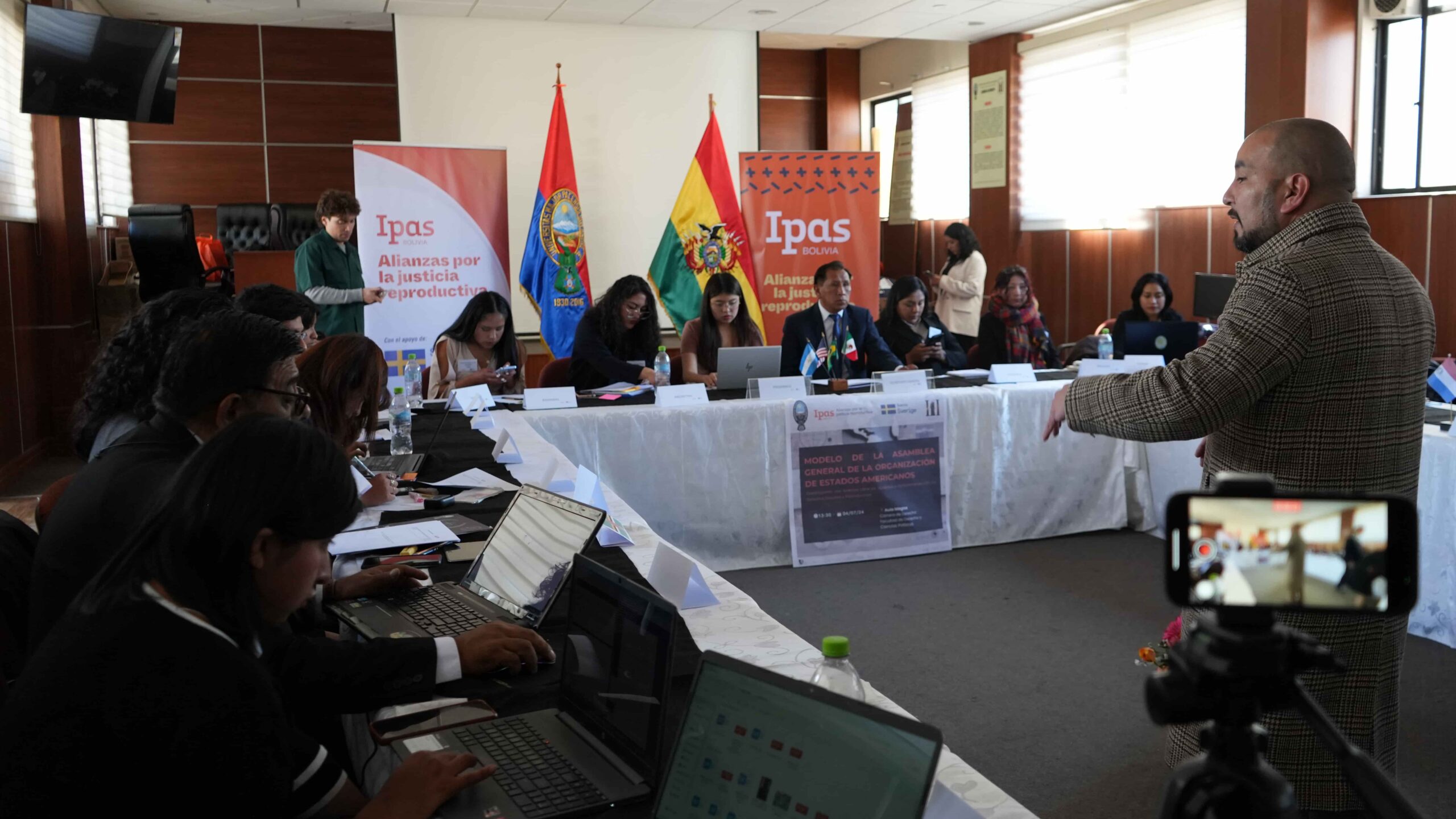
It was along this path that he arrived at the Active Masculinities Network, an initiative promoted by Ipas Bolivia’s Masculinities program. What began with training and reflection processes was consolidated into seven networks in La Paz, El Alto, Cochabamba, Tarija, Llallagua, Potosí and Sucre, which today bring together about 45 members committed to promoting healthy masculinities and preventing sexual and gender-based violence.
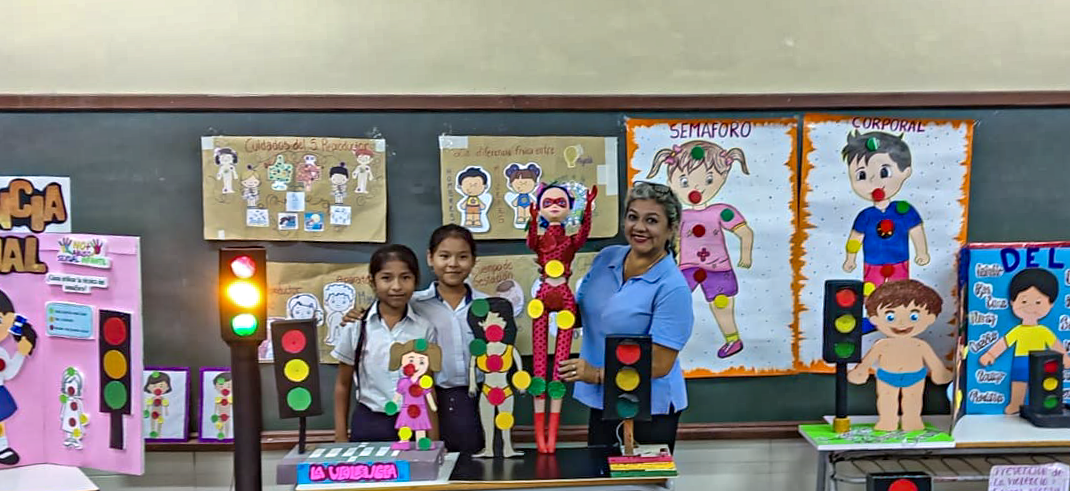
As part of this work, participants use tools such as “Men At Work,” a card game developed in 2024 that invites reflection on life projects, healthy relationships, fatherhood and the mandates of masculinity that can limit those paths.
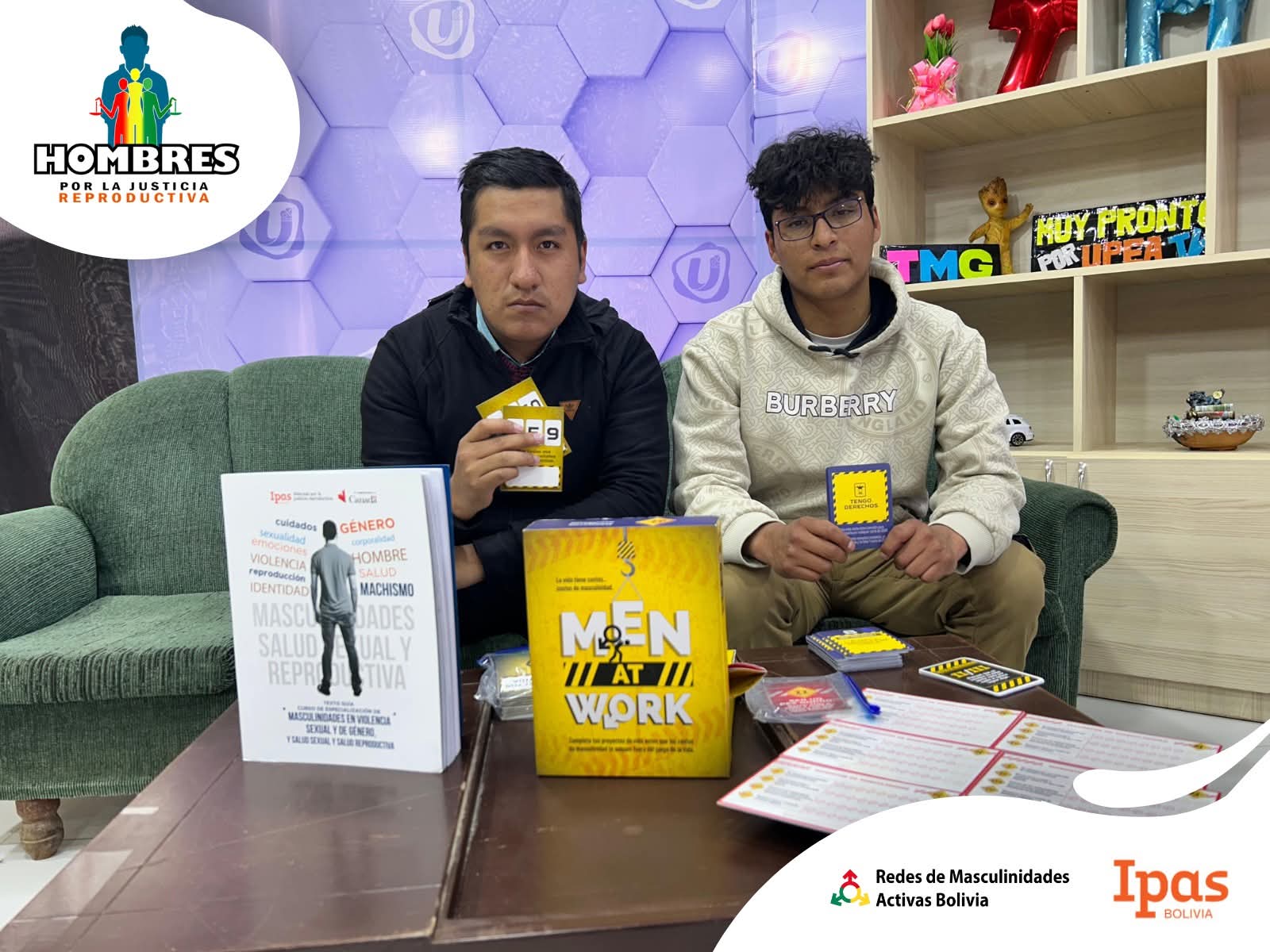
Photo 2: Alejandro Gutiérrez and his partner, presenting the “Men at Work” game, designed in collaboration with Ipas Bolivia, to a media outlet. COURTESY.
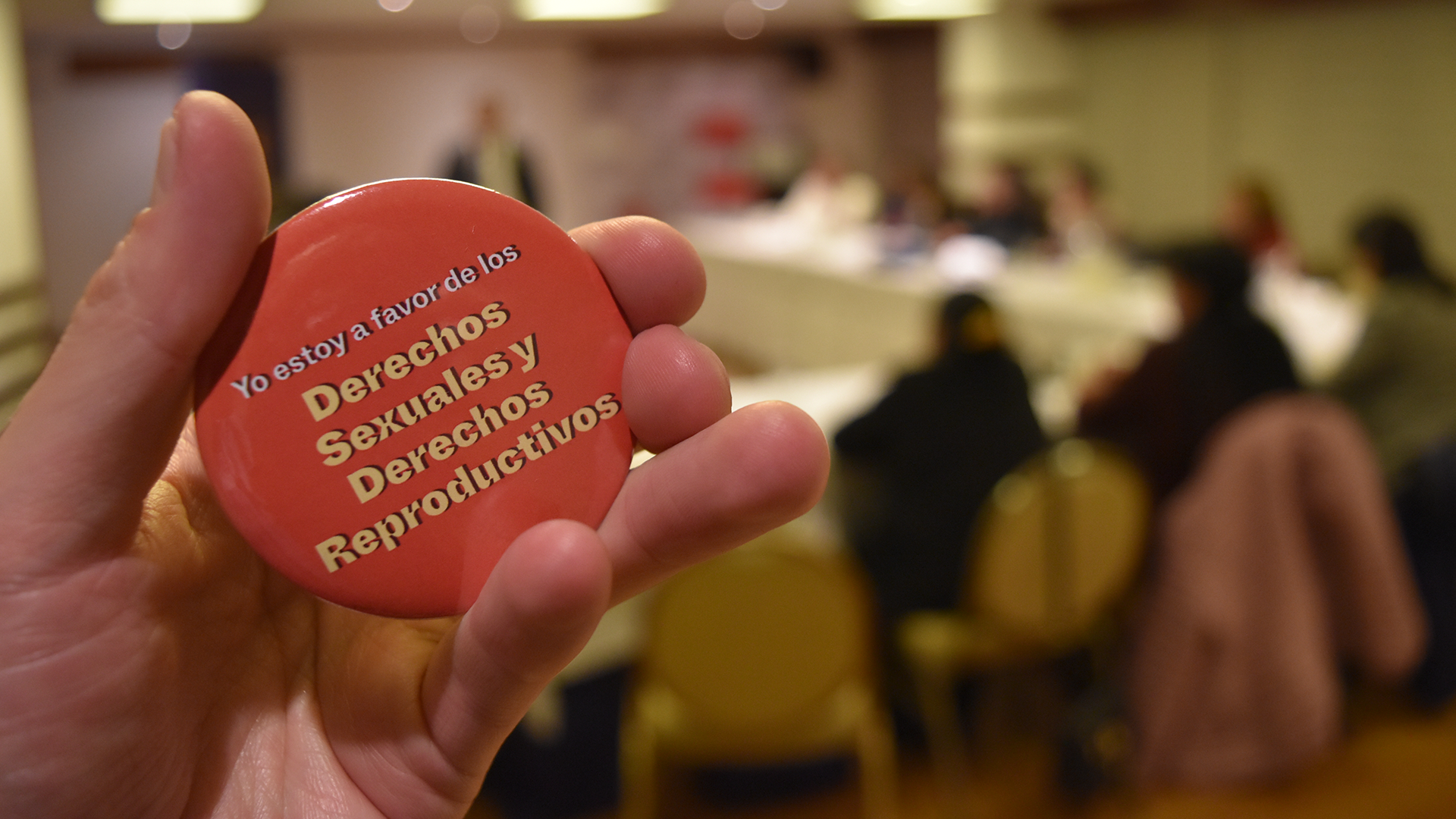
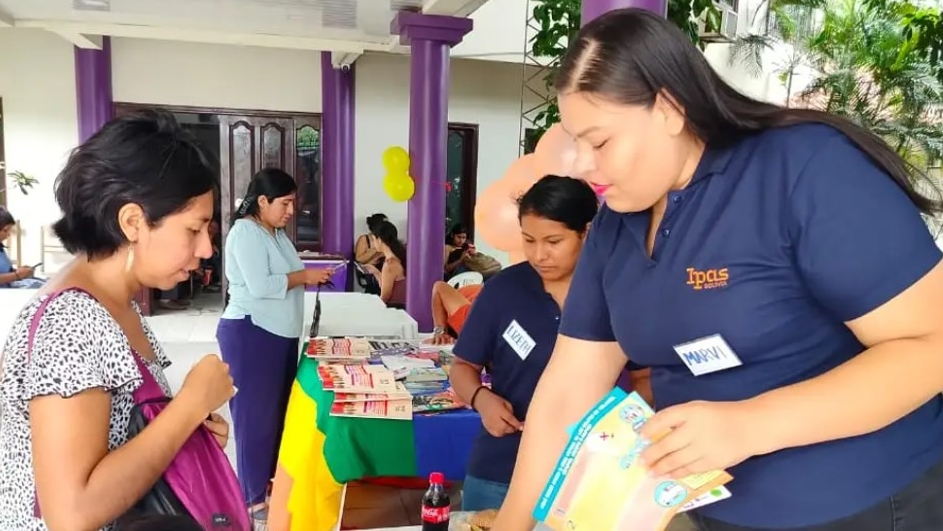
For Alejandro, the Network meant much more than accessing information. He found a space of trust, dialogue and accompaniment where he built friendships that today he considers a family. He also participates in workshops, fairs and community actions where topics such as violence prevention, co-responsibility and Sexual and Reproductive Rights (SRR) are addressed.
Now, as the national representative of the Masculinities Network, he says that leading means accompanying and learning alongside other young people. “I teach them, but at the same time I learn from them,” he says. That process also transformed his way of seeing the future. “It has been a radical change for my life (…) I find myself with many more objectives and many more goals, some of which I did not have, but they came to me,” he shares.
The changes Alejandro describes are also reflected in other participants. According to data from Ipas Bolivia’s masculinities program, 85 percent of men who participated in training processes improved their knowledge of positive masculinities and gender equity. In addition, the average score increased from 68 to 81 points, and since 2014 the initiatives promoted by the program reached more than 127,000 people through educational activities and awareness campaigns.
The Active Masculinities Network of El Alto is the youngest in the country. Alejandro explains that its creation responded to the need to open safe spaces for adolescents and young people in a city where problems related to violence, misinformation and lack of opportunities to discuss these issues persist.
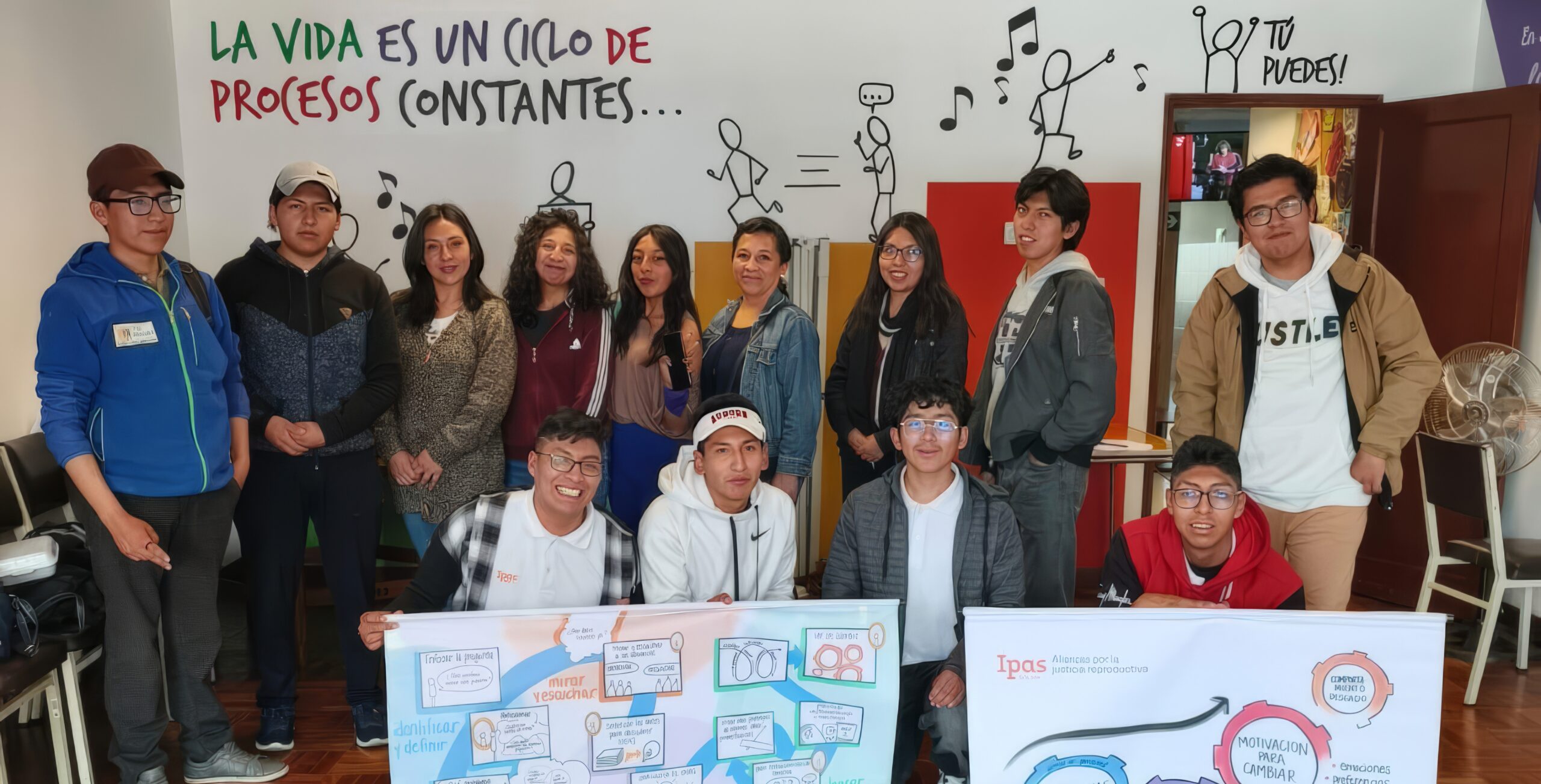
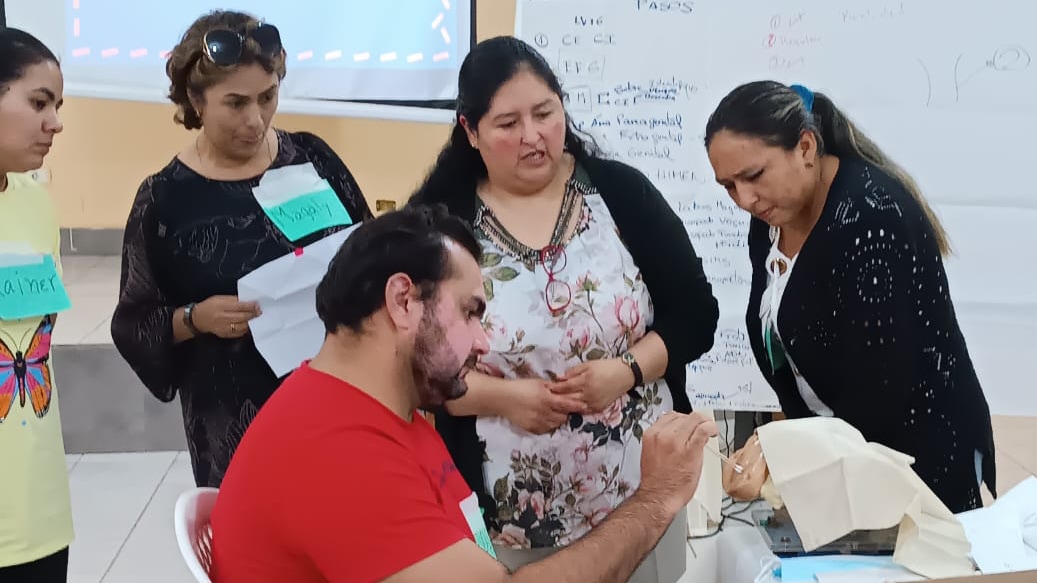
Photo 3: The Active Masculinities Network – El Alto during a training session to strengthen volunteer and community work. COURTESY.
For him, working on healthy masculinities implies demonstrating that being a man does not mean imposing oneself on others, but rather building relationships based on respect, empathy and responsibility. For this reason, one of the Network’s goals is to also reach municipalities and rural areas where these spaces are still scarce.
“We have to do more,” he repeats, convinced that every talk, fair or training can help more young men ask themselves what kind of man they want to be.
Alejandro does not want to be the only referent. He wants other young men to go further and build their own paths. Because transforming masculinities is not only about changing individual behaviors, but also about contributing to safer communities, more equitable relationships and environments where all people can exercise their rights and live free of violence.