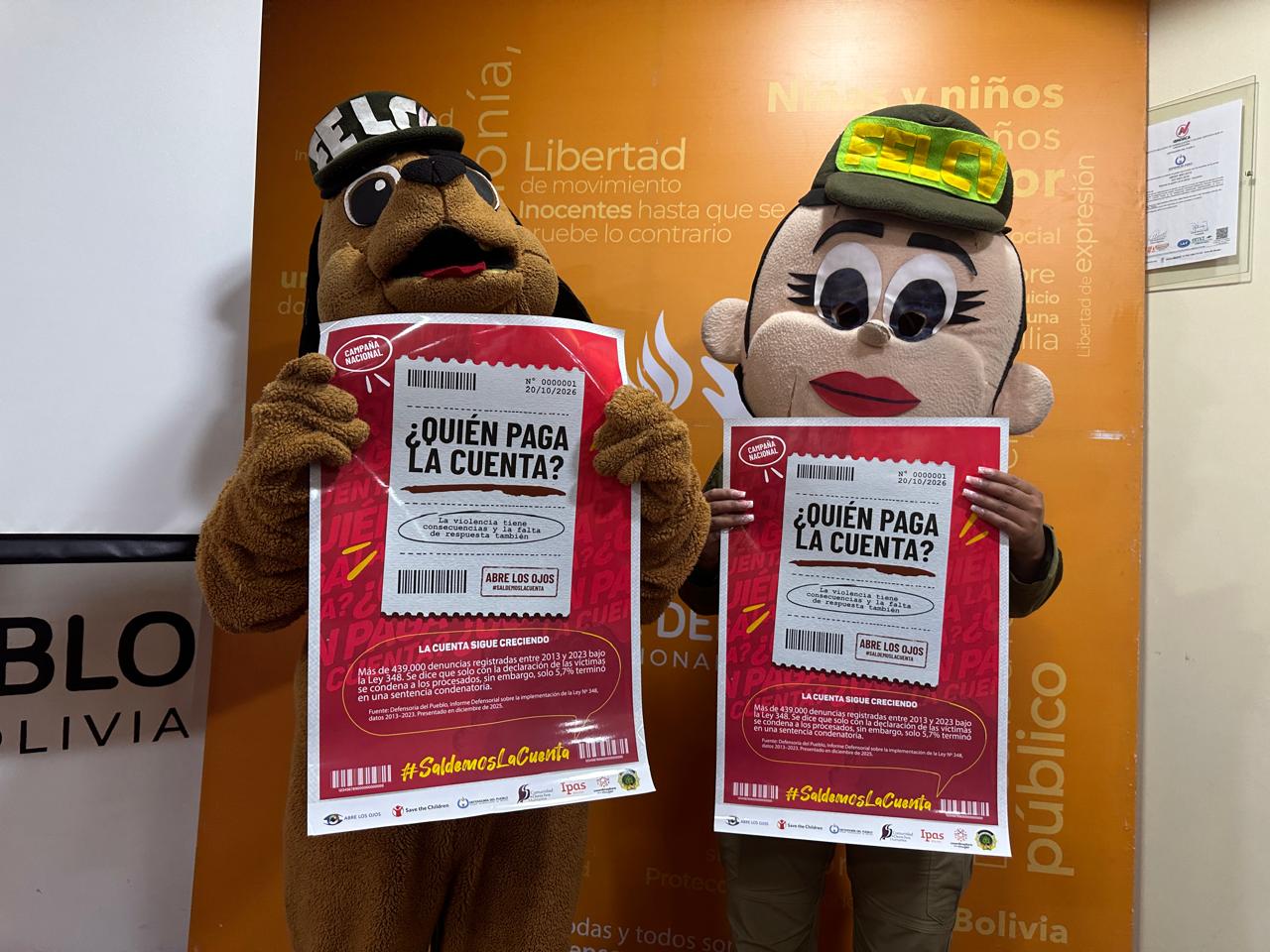


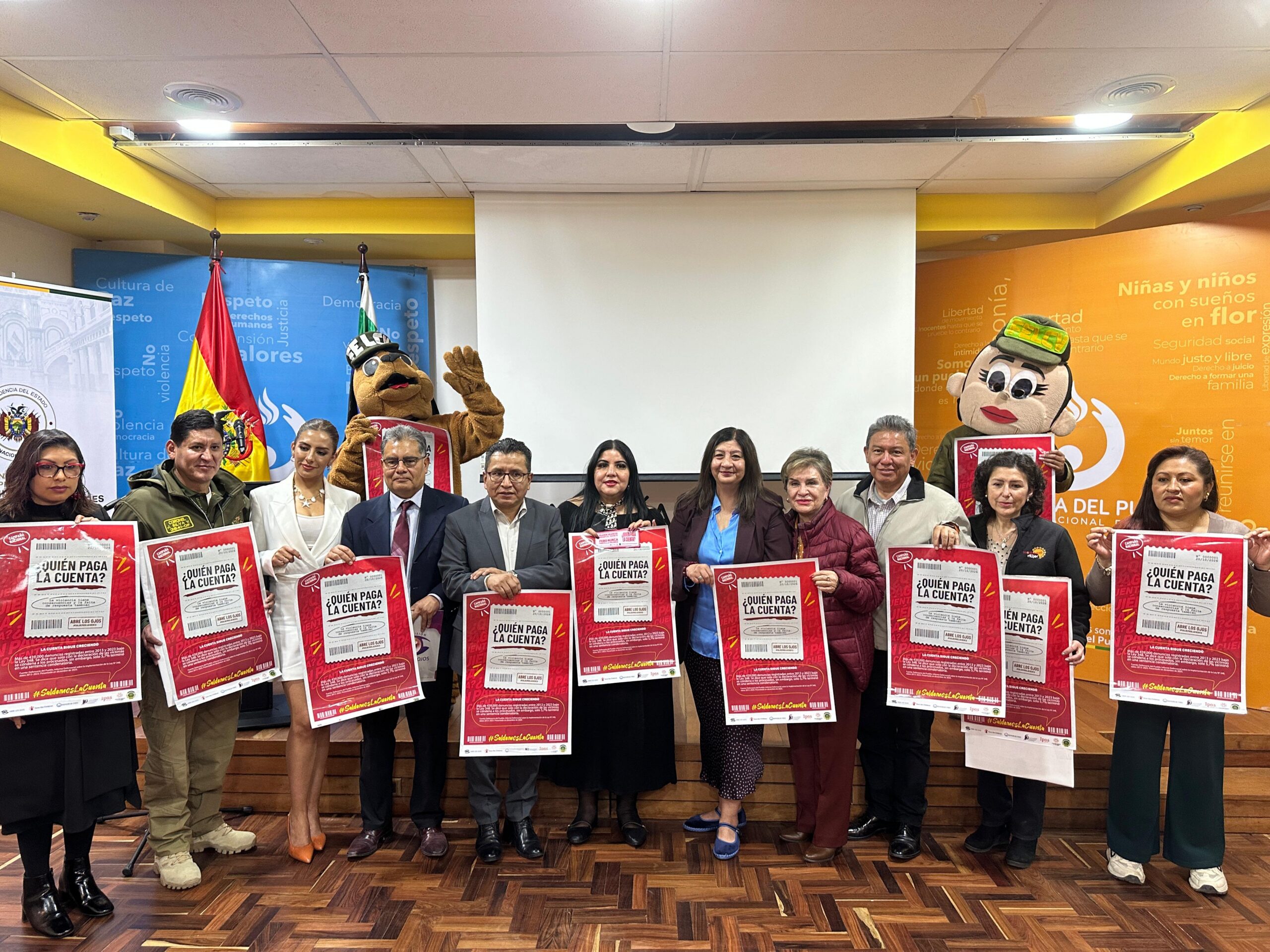
The campaign warns that the responsibility for stopping assaults should not fall solely on the victims who come forward, but rather on a prevention system that actively involves the government, the media, and the public to prevent irreversible tragedies.
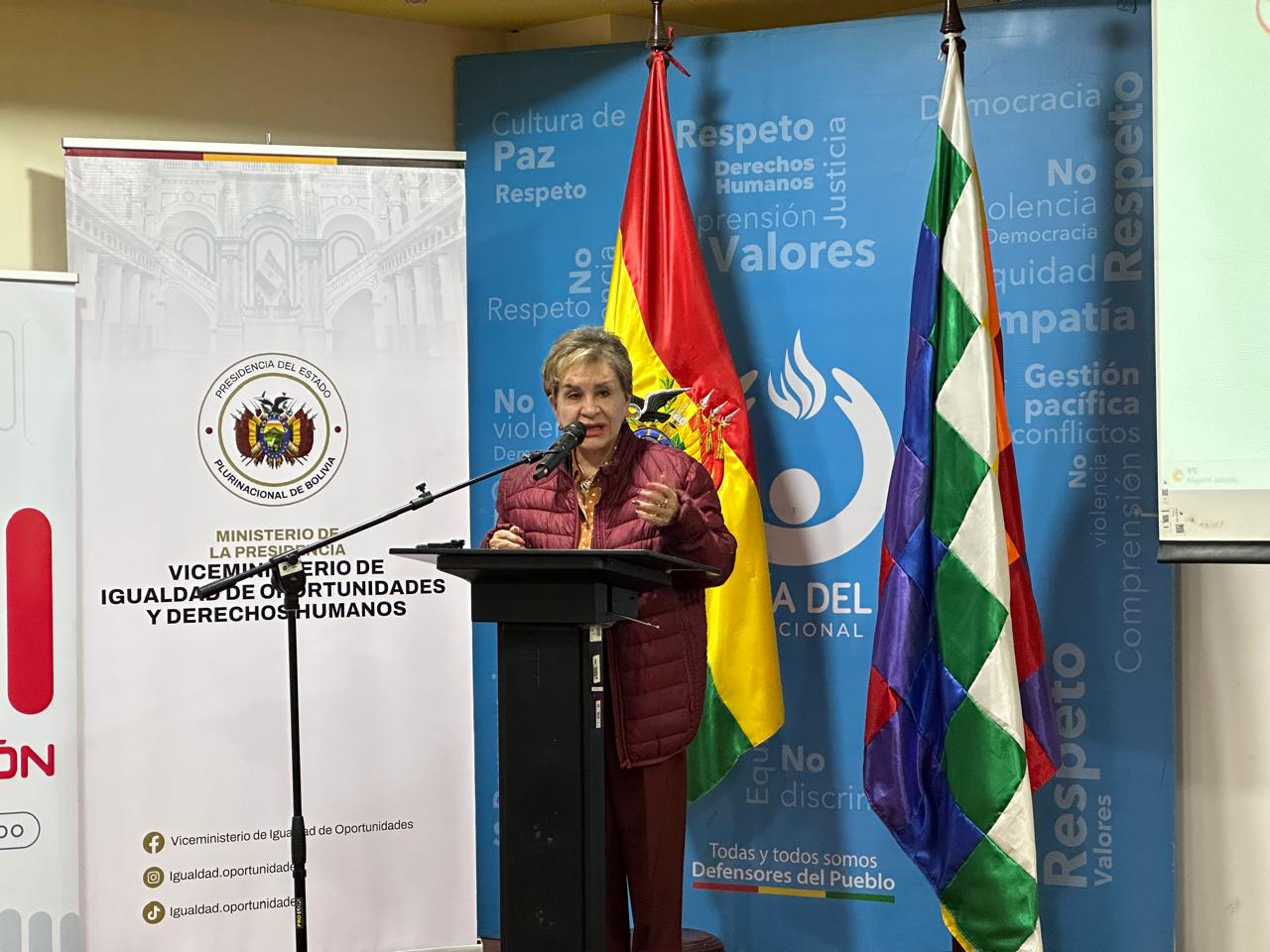
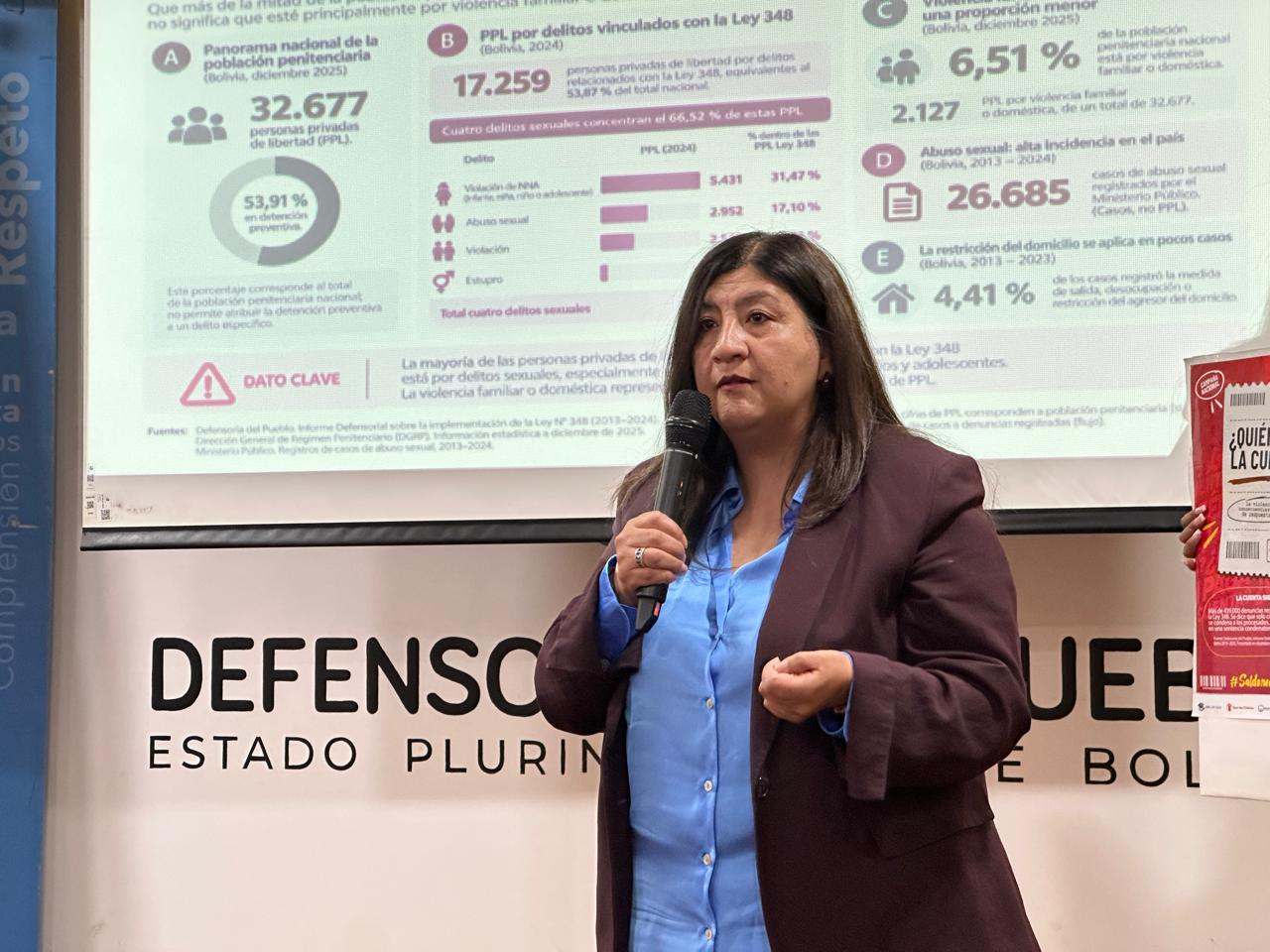
The launch event began with a stark analysis of the shortcomings of the justice system and the historical lack of government investment. Pedro Callisaya Aro, the Ombudsman, highlighted a critical gap in human rights protection by revealing that, of all the resources invested in the system to protect against gender-based violence, only 8% is actually allocated to prevention. In addition, the Ombudsman warned of a profound collapse of the judicial system:
“Between 2013 and 2024, 439,000 complaints were filed for crimes related to domestic violence and other forms of gender-based violence, but only 5.7% resulted in a conviction,” Callisaya said.
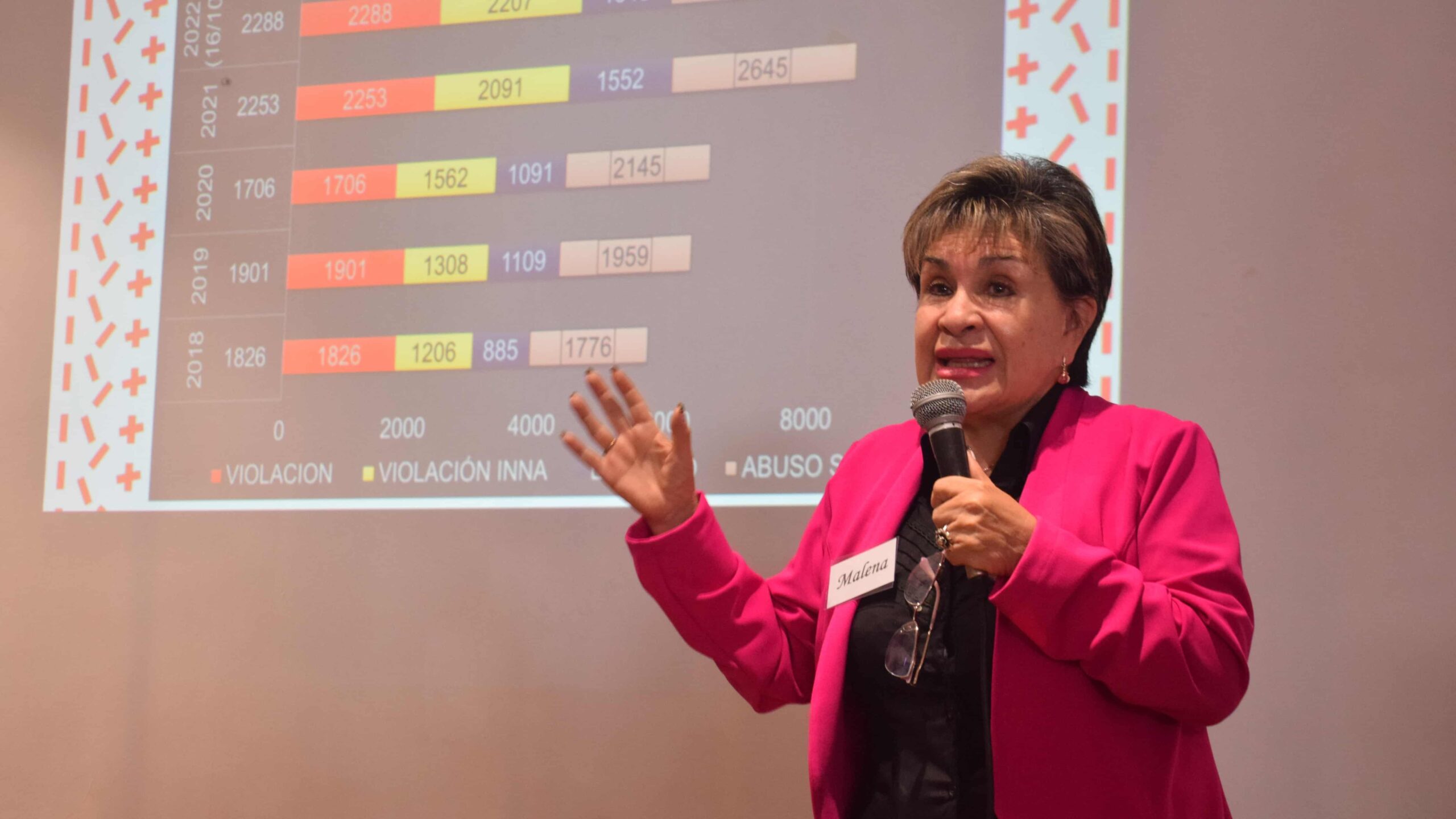
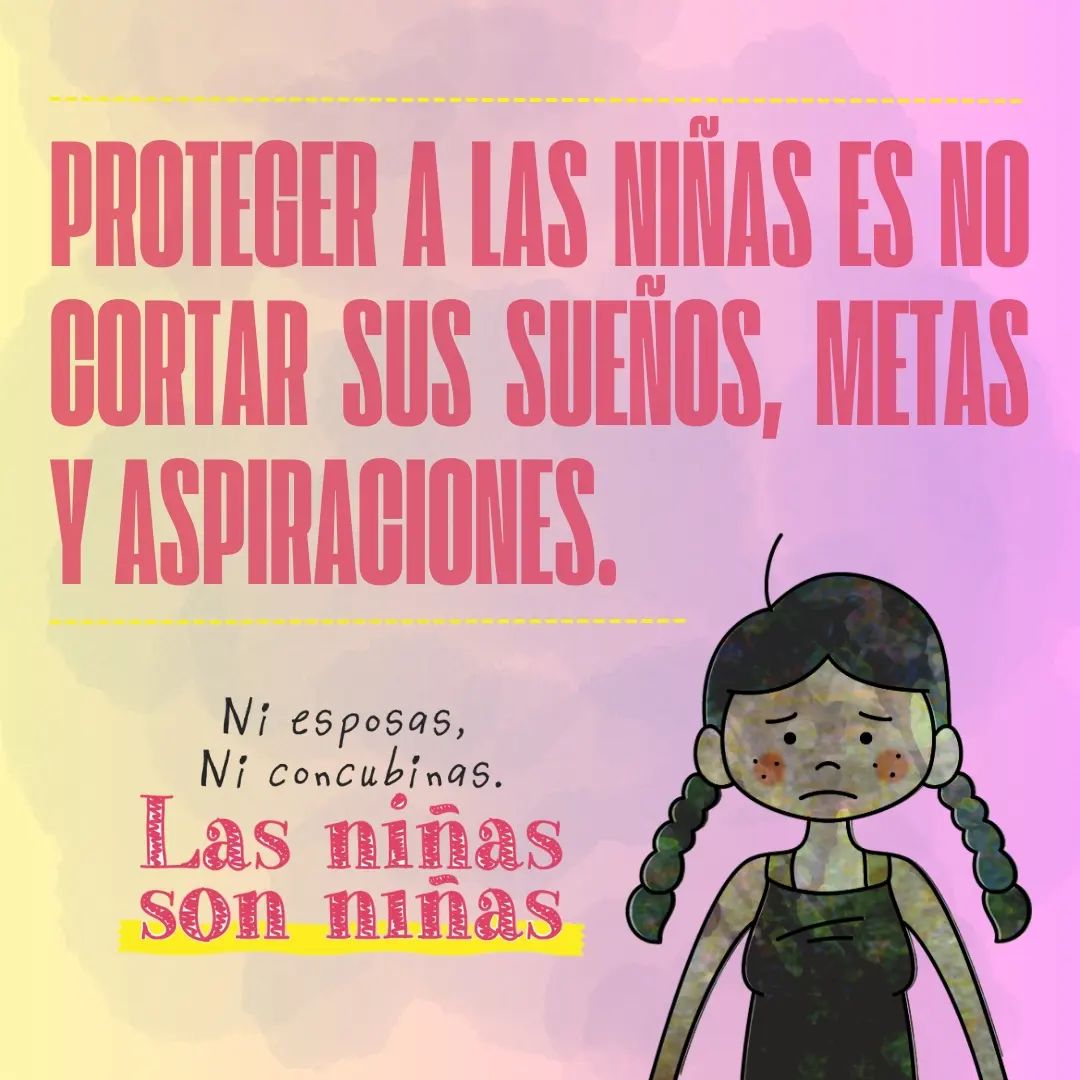
From the perspective of public health and the defense of sexual and reproductive rights, the call to action focused on the most overlooked violations that cut short children’s lives. Dr. Malena Morales, country director of Ipas Bolivia, urged people to stop normalizing violence and placed special emphasis on the serious repercussions of sexual assault.
“When we force girls under the age of 10 to give birth—to become mothers before the age of 10—I believe that is an extreme form of violence, just as femicide is,” Morales said.
She also called on the health care system and society to stop ostracizing and revictimizing these girls based on rigid moral standards, emphasizing that early prevention is essential to saving lives.
The urgency of the campaign is underscored by the continuous rise in extreme violence. Col. Jesús Silva Villafuerte, national director of the Special Force to Combat Violence (FELCV), reported that, as of October 2026, official statistics already show 71 cases of femicide nationwide. However, these fatalities represent only the tip of the iceberg of a systemic problem. Mónica Vallez, Secretary General of the Human Rights Community, warned that judicial data is merely the tip of the iceberg, since currently only 15 out of every 100 victims of physical violence come forward to report their attackers. Vallez emphasized that fewer than 5% of cases result in a conviction, leaving the vast majority of complaints unpunished.
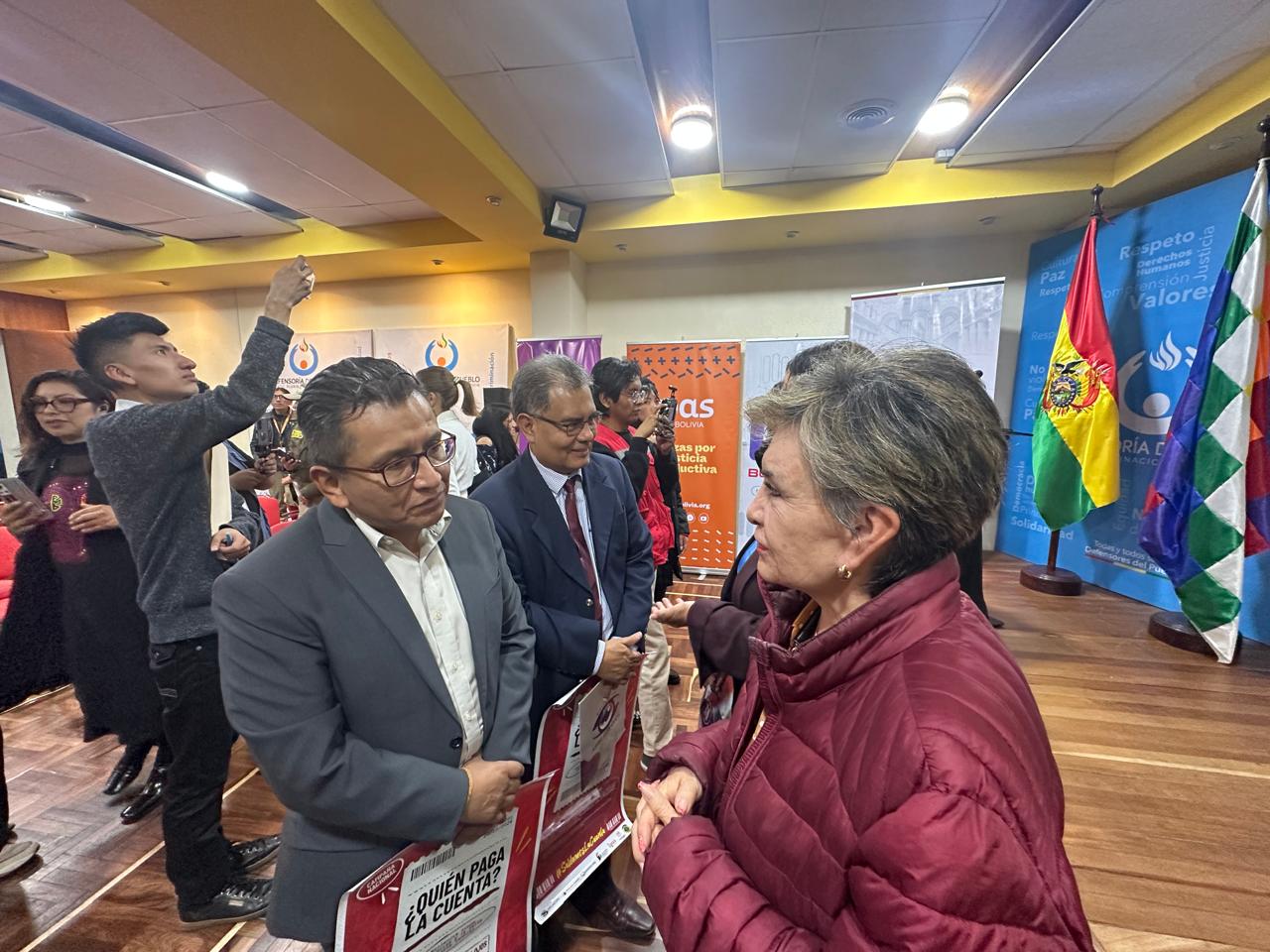
To counter this reality, the strategic alliance—which includes Save the Children, the Women’s Coordinating Committee, and the Vice Ministry of Equal Opportunities—is committed to directly engaging with grassroots communities. Pamela García, press manager at Bolivisión and spokesperson for the media alliance, reaffirmed that journalism has an ethical obligation to anticipate these events rather than merely reporting on tragedies after the damage has already been done.
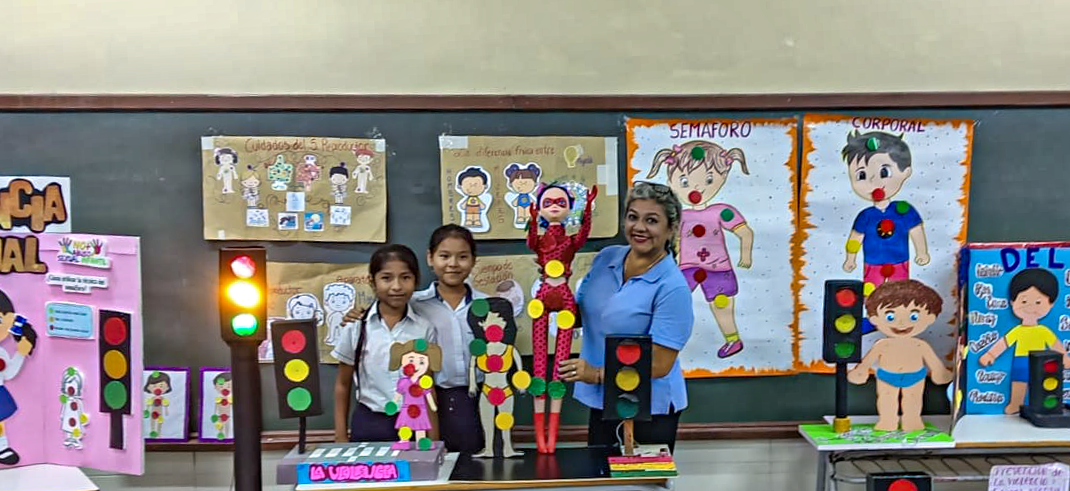
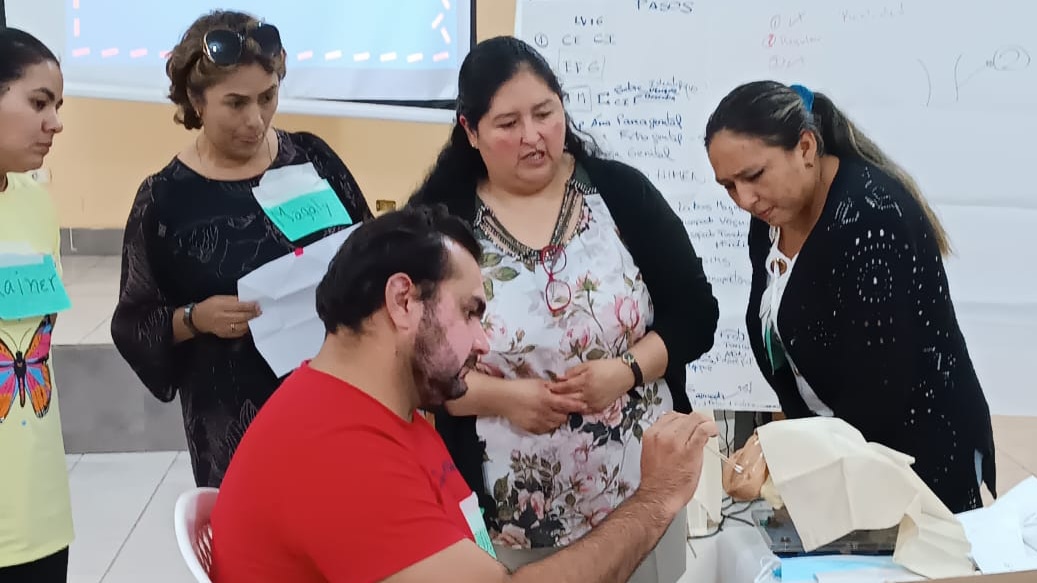
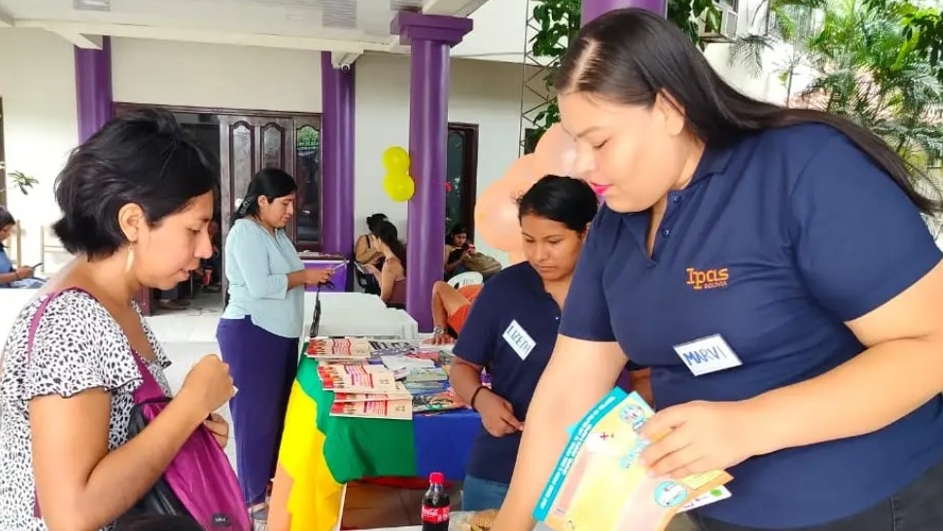
As for the next logistical and community-based steps, the “Who Pays the Bill?” campaign will not be limited to media outreach but will also include educational workshops, community engagement activities, and recognition of best preventive practices in schools, universities, and on public transportation, with the goal of creating spaces where violence is no longer tolerated.