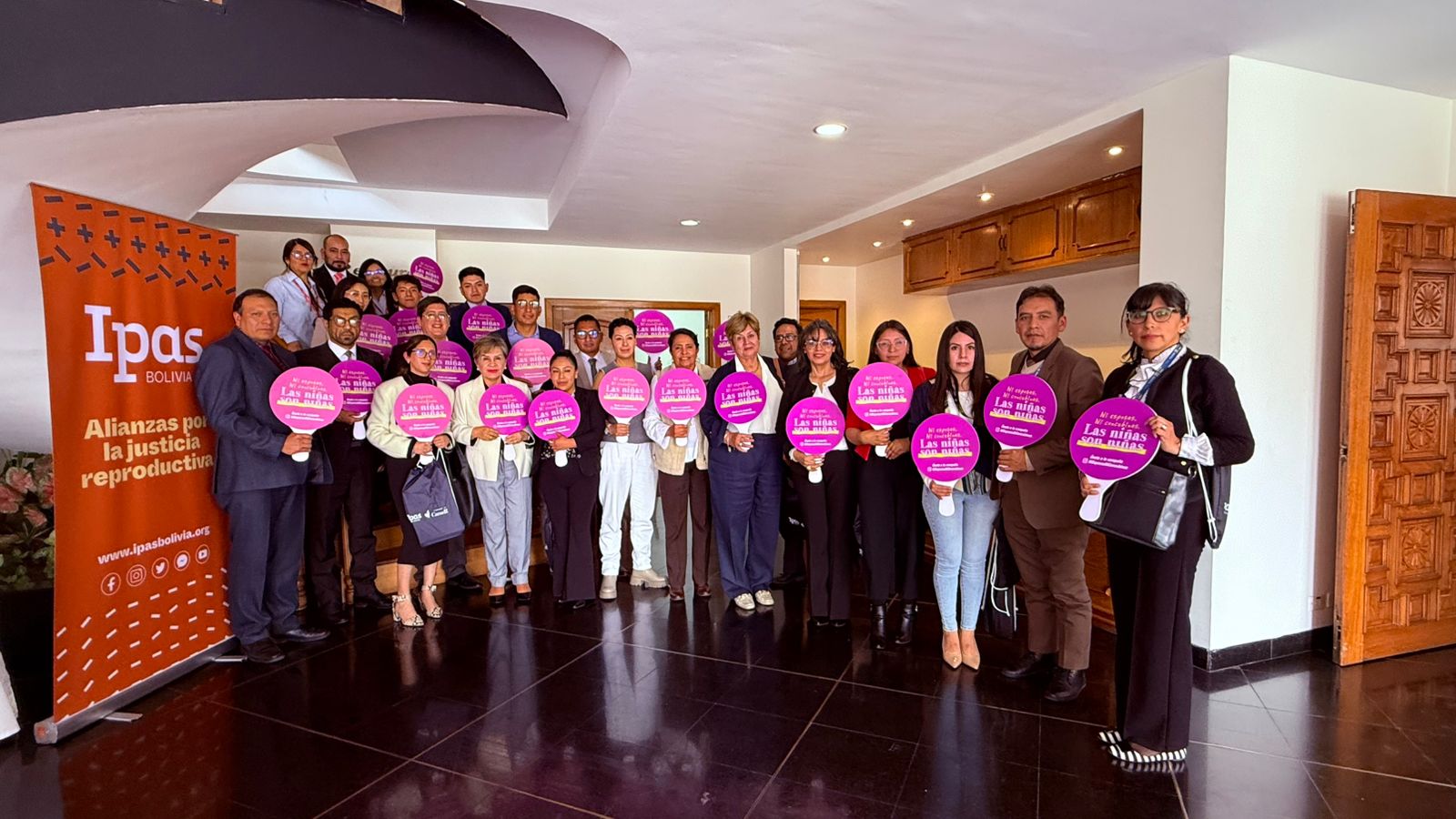


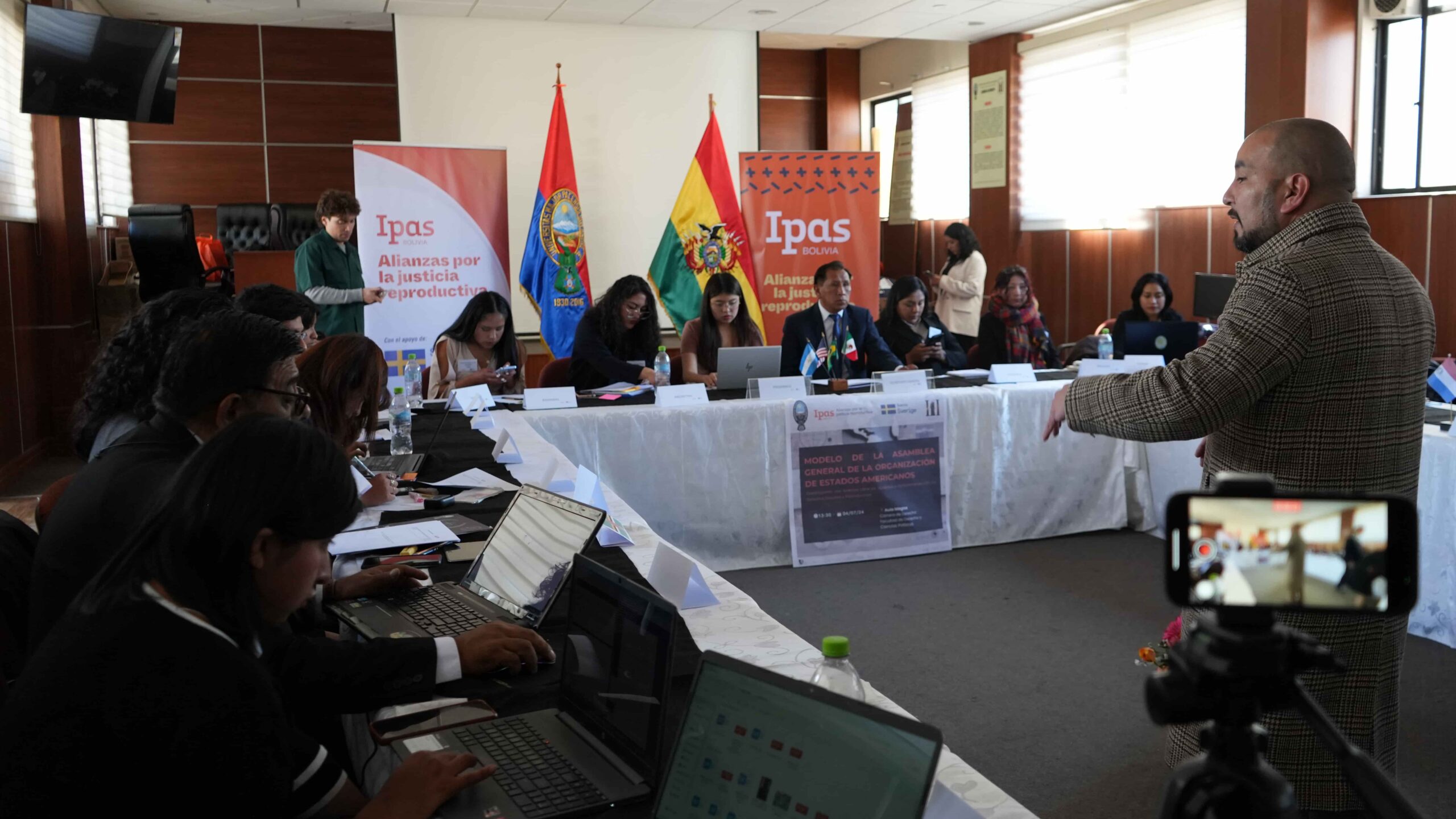






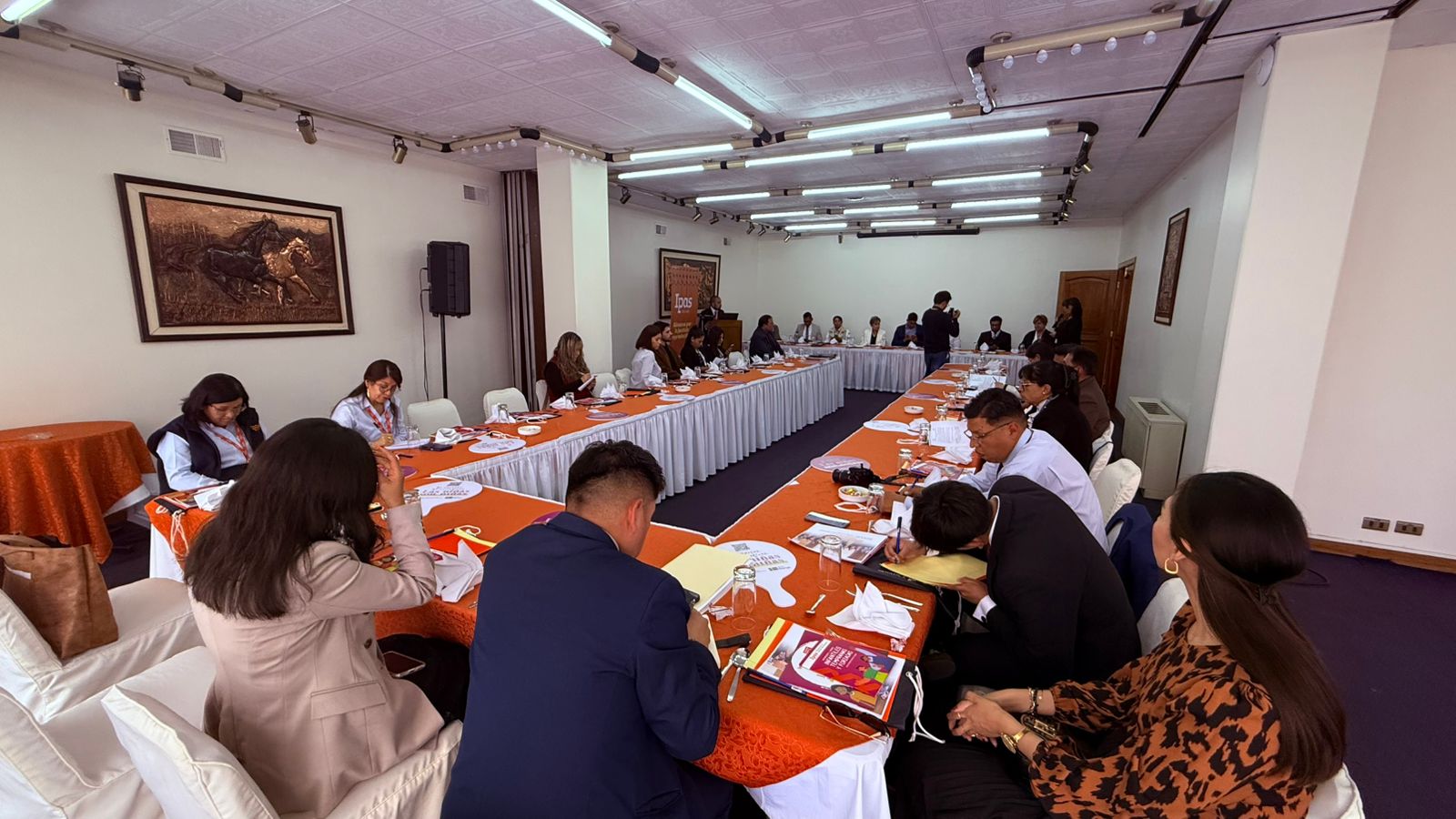
On September 3, authorities and representatives of public institutions gathered in La Paz for the First National Inter-institutional Roundtable Against Child, Early, and Forced Marriages and Unions (MUITF). The meeting was convened by the Human Rights Commission of the Chamber of Deputies, pursuant to Commission Resolution CD-C.DD.HH. No. 002/2025-2026, dated August 14, 2026, with technical support from Ipas Bolivia.
The Steering Committee followed up on the National Dialogue on MUITFs held in May 2026. Its objective was to review the actions taken to implement Law No. 1639, identify progress, challenges, and institutional needs, strengthen coordination, and define next steps for the prevention, care, protection, and restoration of the rights of girls and adolescents. Participants included officials and representatives from the Human Rights Commission of the Chamber of Deputies; the Vice Ministry of Equal Opportunities; the Ministries of Health, Education, and the Interior; the Plurinational Service for Women and Depatriarchalization (SEPMUD); the General Personal Identification Service (SEGIP); the Civic Registry Service (SERECI); the Ombudsman’s Office; and Ipas Bolivia. This participation reaffirmed that the enforcement of Law 1639 requires a coordinated response among the institutions responsible for its implementation.
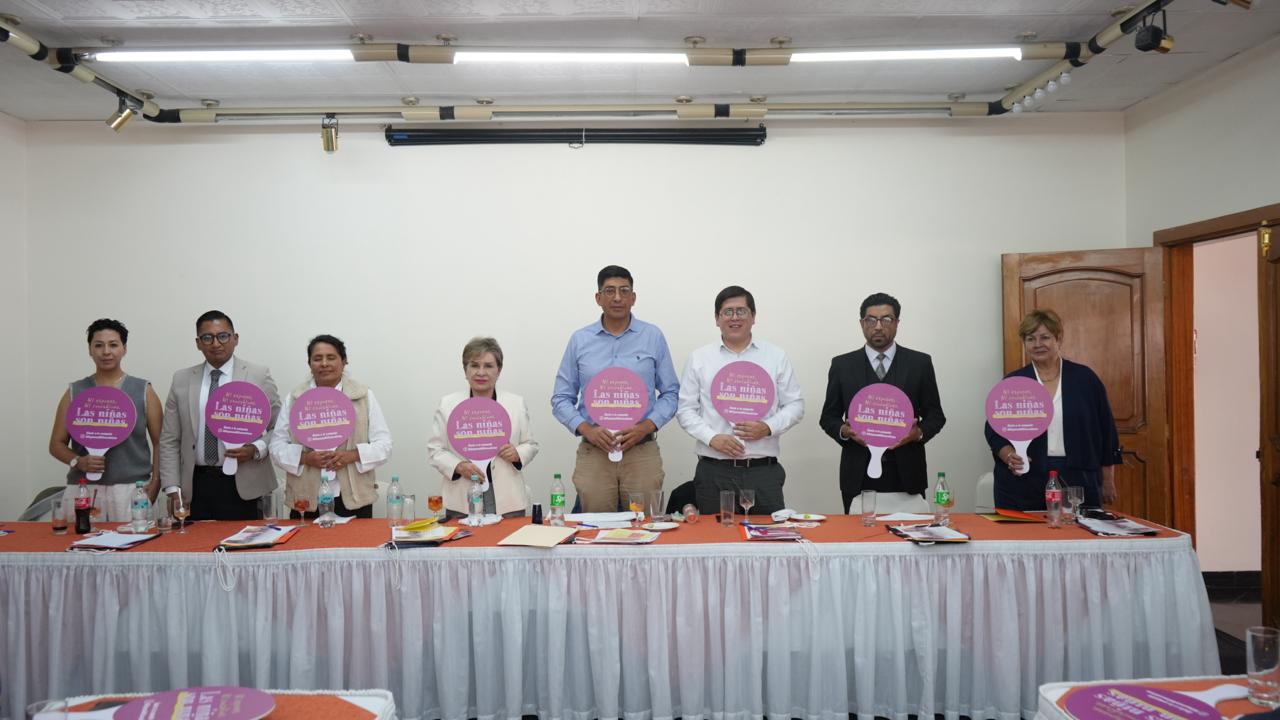
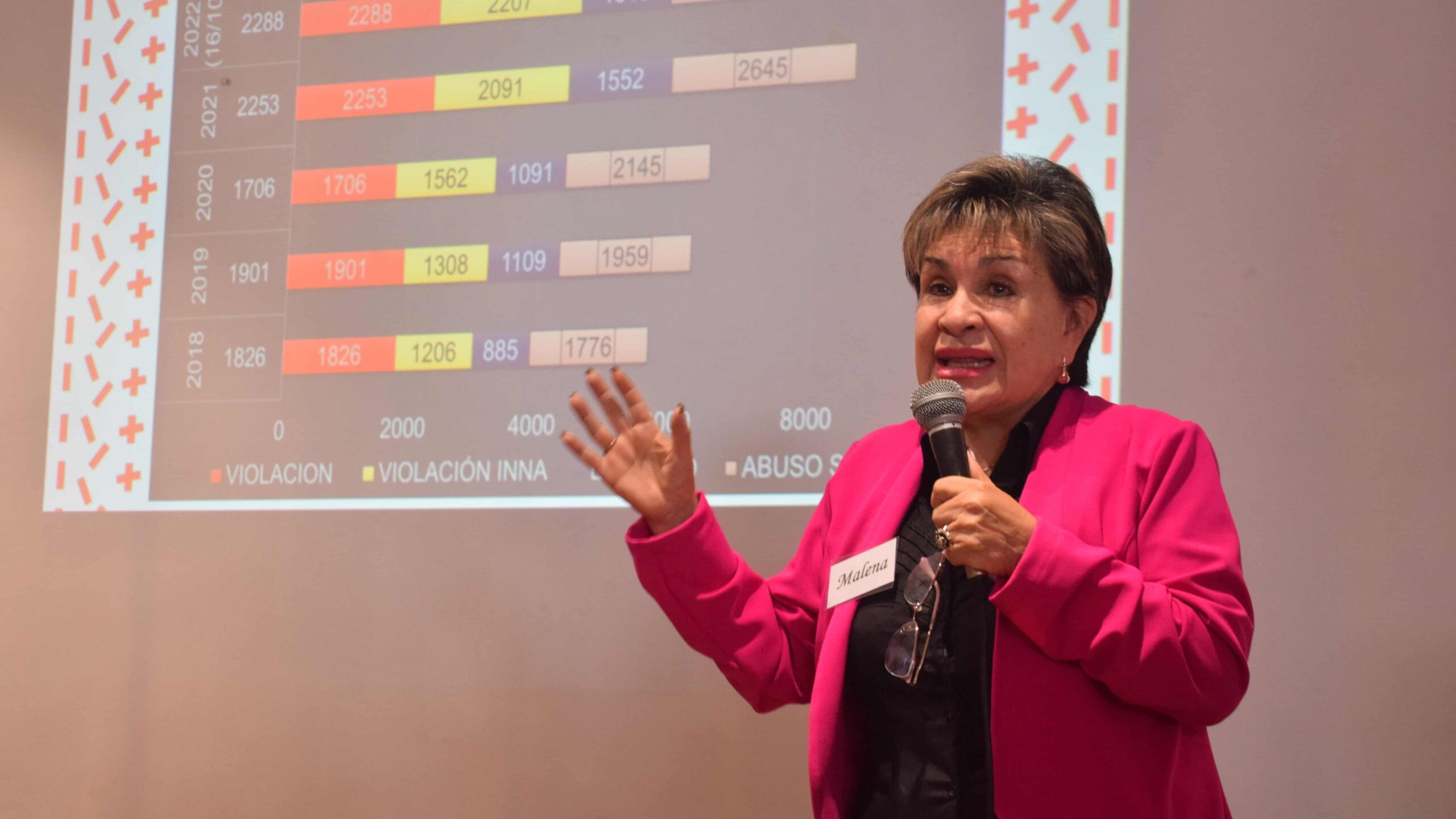
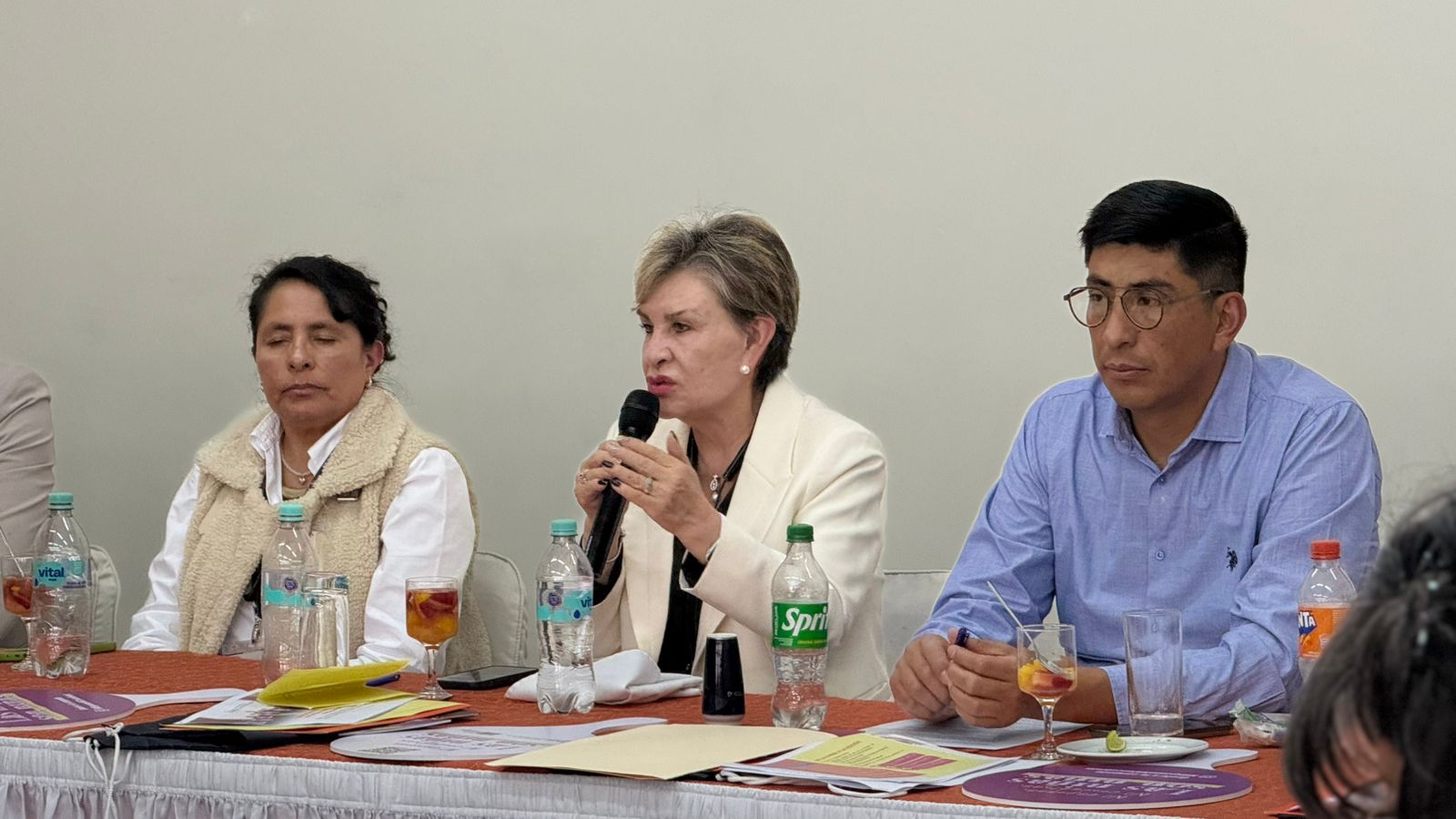
“We have a historical debt to children who have been neglected by Bolivian society in recent years,” said Dr. Malena Morales Lara, country director of Ipas Bolivia. She also emphasized that MUITFs constitute a violation of rights and a public health problem that must be addressed comprehensively.
As part of the follow-up provided for in Commission Resolution No. 002/2025-2026, the Human Rights Commission reported on the issuance of official correspondence addressed to the relevant institutions. Through these communications, the Commission requested information on the measures adopted under Law 1639, which helped guide the discussion of progress made during the roundtable.
Congressman Marcelo Solís, chair of the Chamber of Deputies’ Human Rights Committee, emphasized that the effective implementation of Law 1639 is essential to protecting the rights and life plans of girls and adolescents, as well as to preventing school dropout and other consequences associated with MUITFs.
Notable institutional advances include:
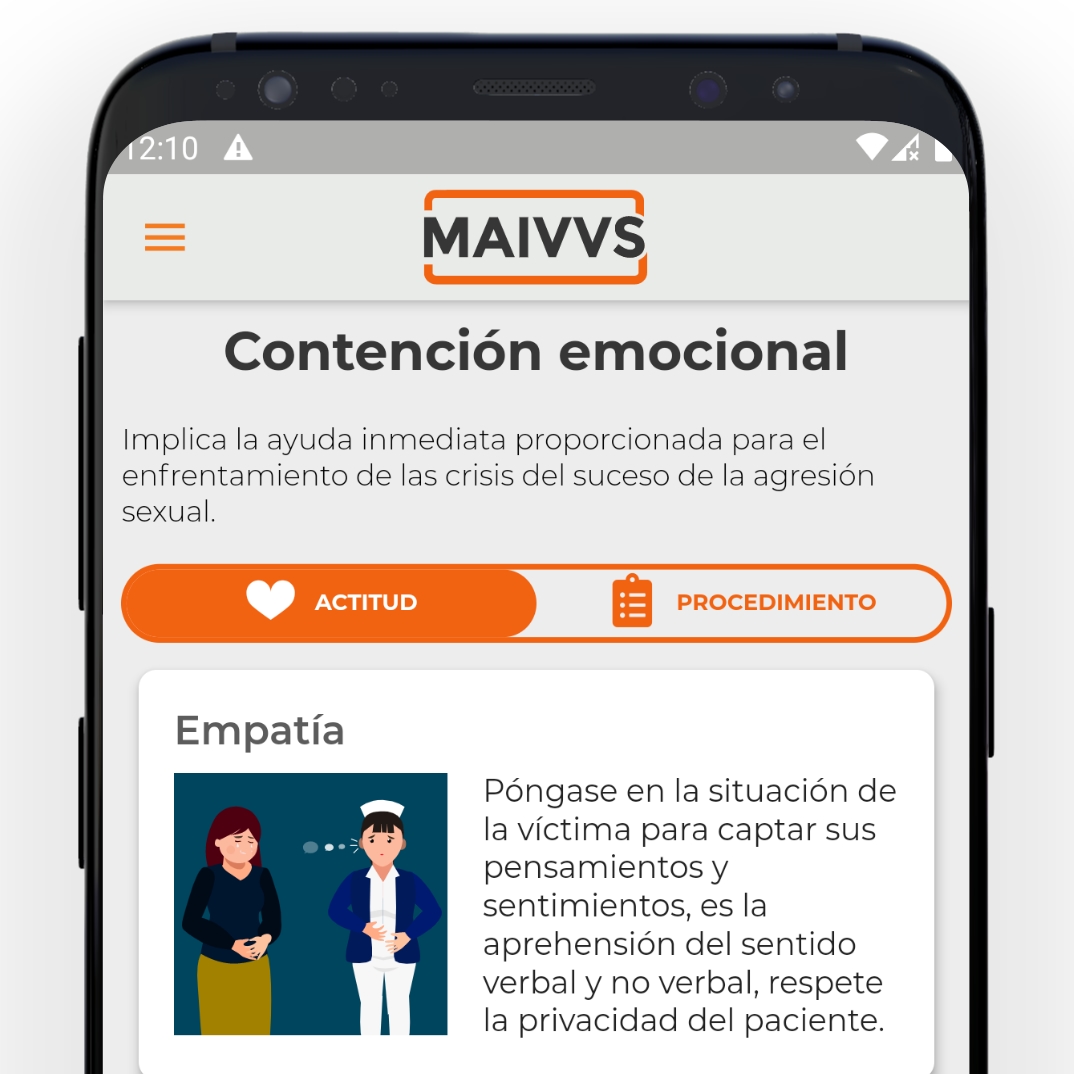
The Ministry of Health informed the Committee that it is making progress in implementing institutional guidelines aimed at strengthening the early detection of pregnancies among girls and adolescents who are survivors of MUITFs.
For its part, SERECI reported that it issued mandatory guidelines for civil registry officials and implemented age verification measures in its systems, with the aim of preventing the registration of marriages involving individuals under the age of 18 and triggering a report when appropriate.
“As an institution, we have implemented the communication guidelines and mandatory requirements at our operational level—that is, among Civil Registry officials—to ensure that these cases are reported and do not take place. At the same time, through the Supreme Electoral Tribunal’s own systems, the necessary restrictions have been put in place to verify age; operationally, they would not be able to do so,” explained Freddy Mendoza, national director of SERECI.
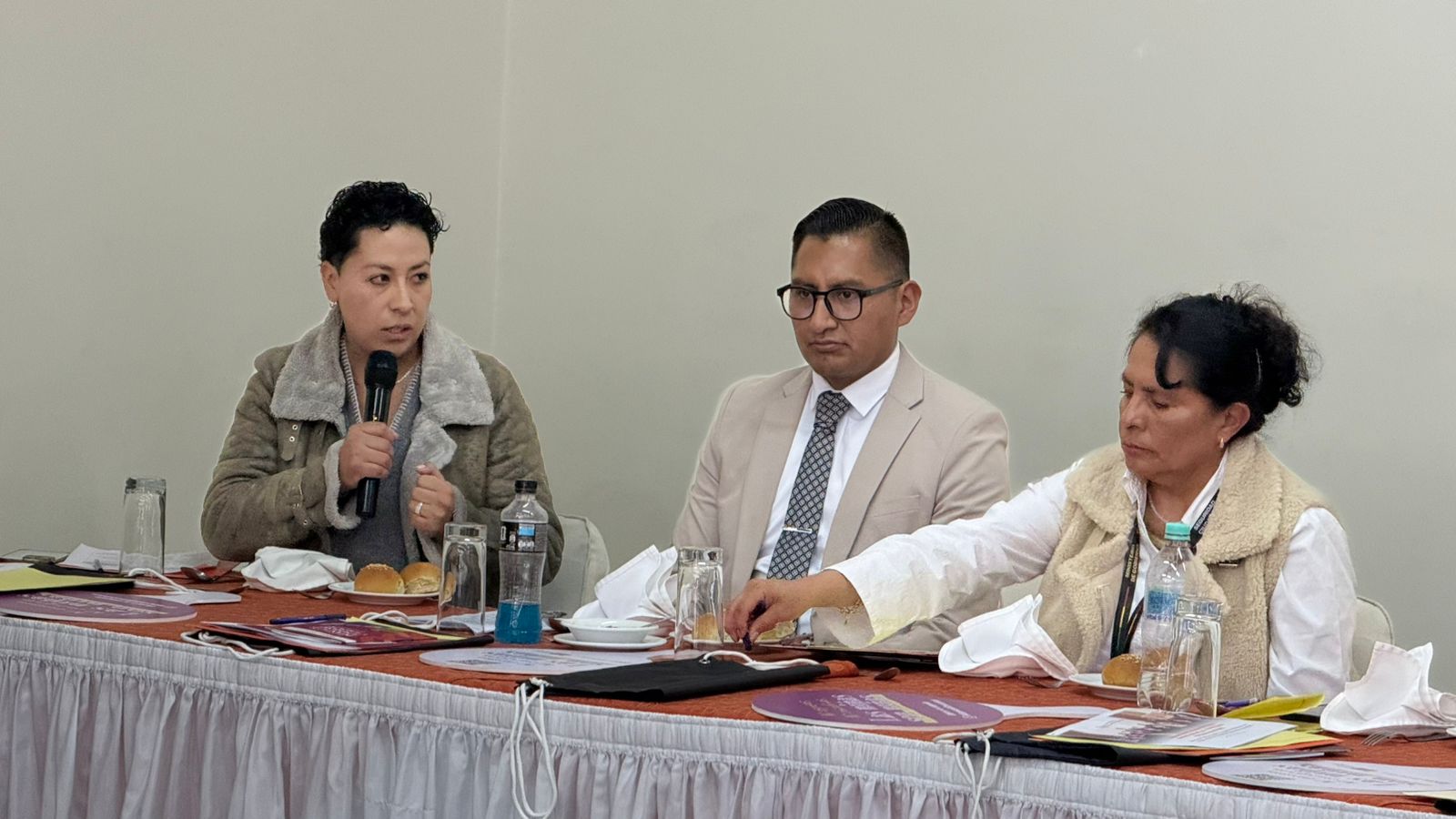
SEPMUD shared initiatives focused on prevention, including the drafting of proposals for municipal laws on the dismantling of patriarchy, the coordination of immediate health responses, and the development of a methodological guide to prevent violence against Indigenous women in various regions.
“When we talk about child, early, and forced marriages and unions, we’re not just talking about family or cultural situations. We’re talking about rights, child protection, and gender equality. Our country clearly states that no girl or adolescent may enter into marriage under any circumstances,” said Macarena Echeverría, director of SEPMUD.
The Ombudsman’s Office reported that more than 4,685 student advocates nationwide had received training, with priority given to municipalities such as Trinidad and Cobija.
For its part, the Ministry of Education shared updates on progress made toward incorporating preventive content into secondary school curricula and student handbooks. The contributions presented will be compiled to guide future follow-up meetings and consolidate the Comprehensive Action Plan against MUITF.
Among the proposed next steps are strengthening interagency coordination, defining specific commitments, and promoting departmental initiatives that will enable the implementation of Law 1639 throughout the country.
This first meeting reaffirms that preventing and eradicating MUITF requires sustained action, clear information, and coordination among government institutions and partner organizations. The common goal is to ensure that girls and adolescents live free from violence, fully exercise their rights, and pursue their life goals.