

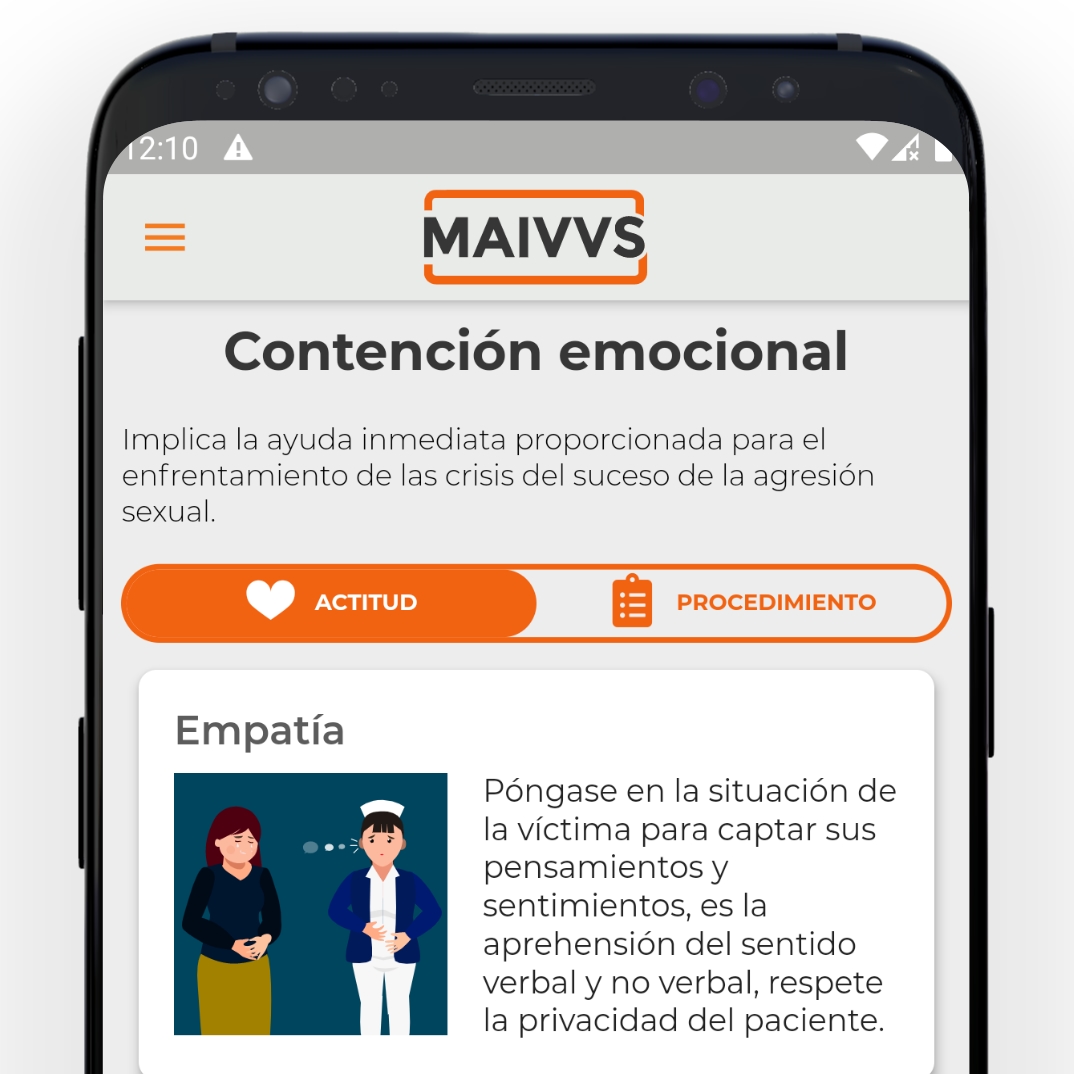
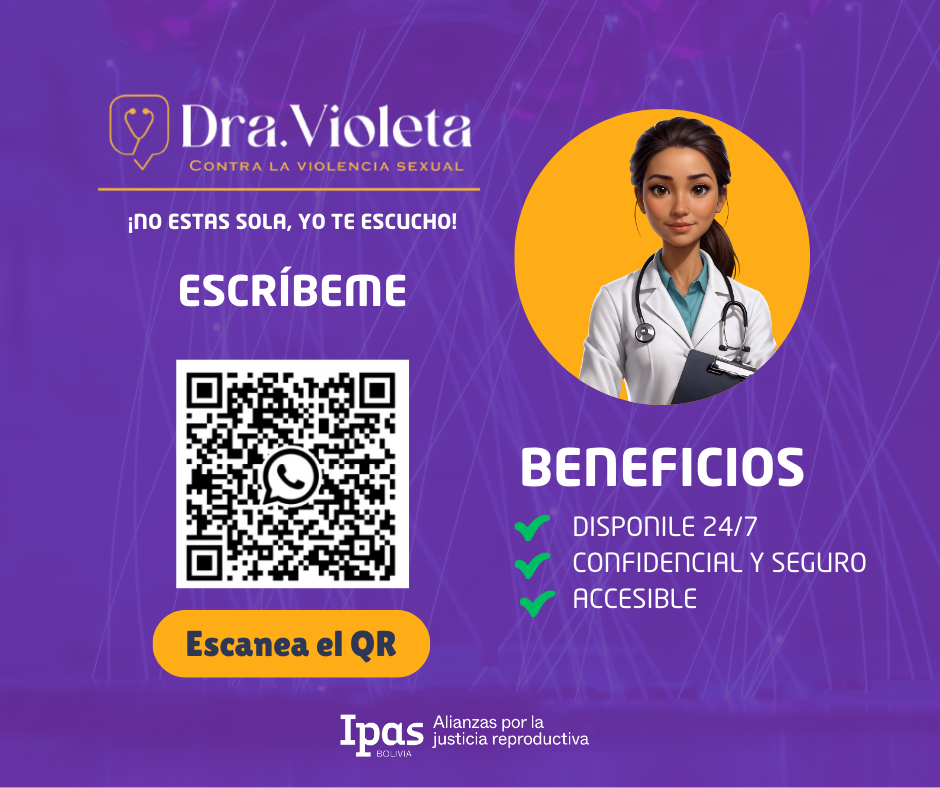
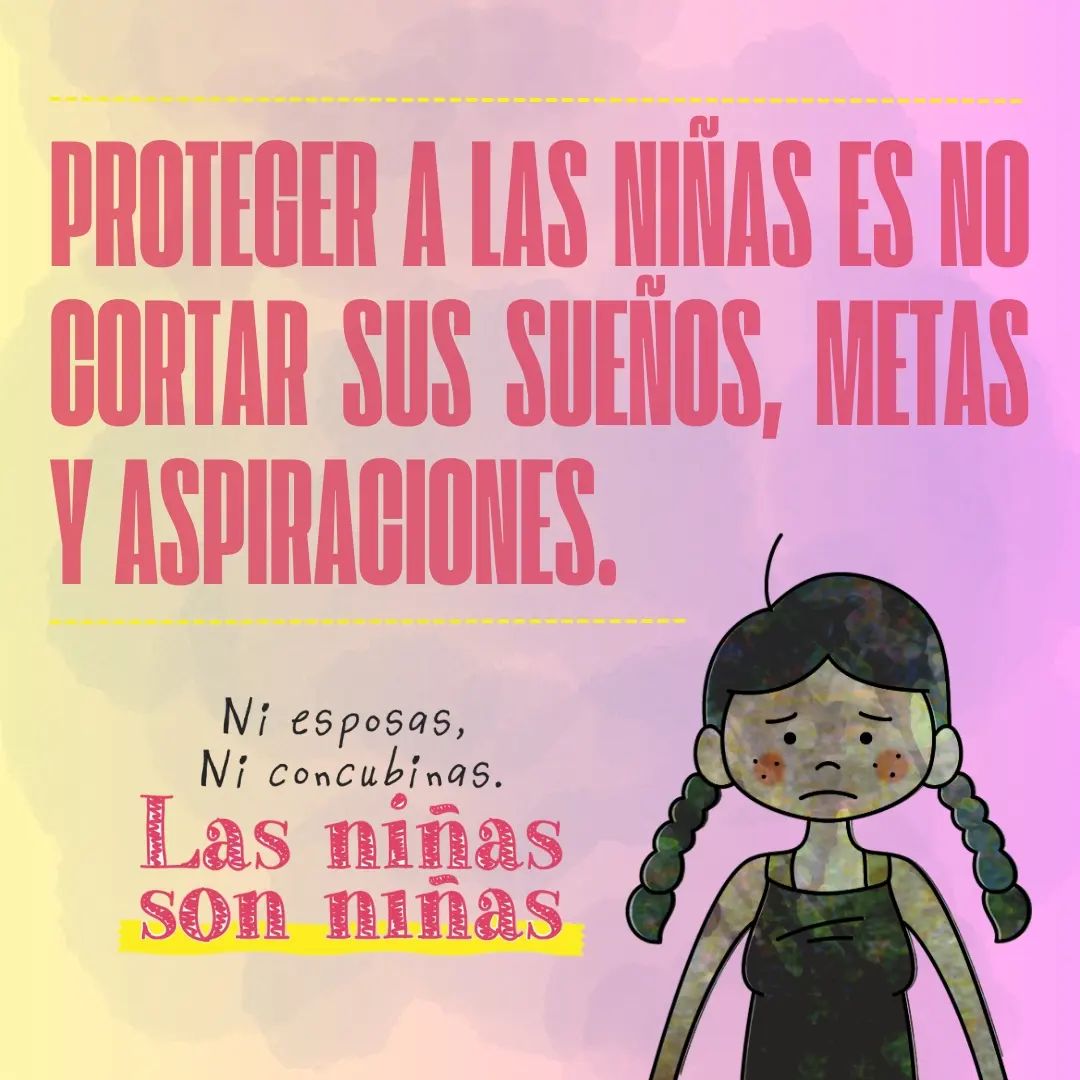



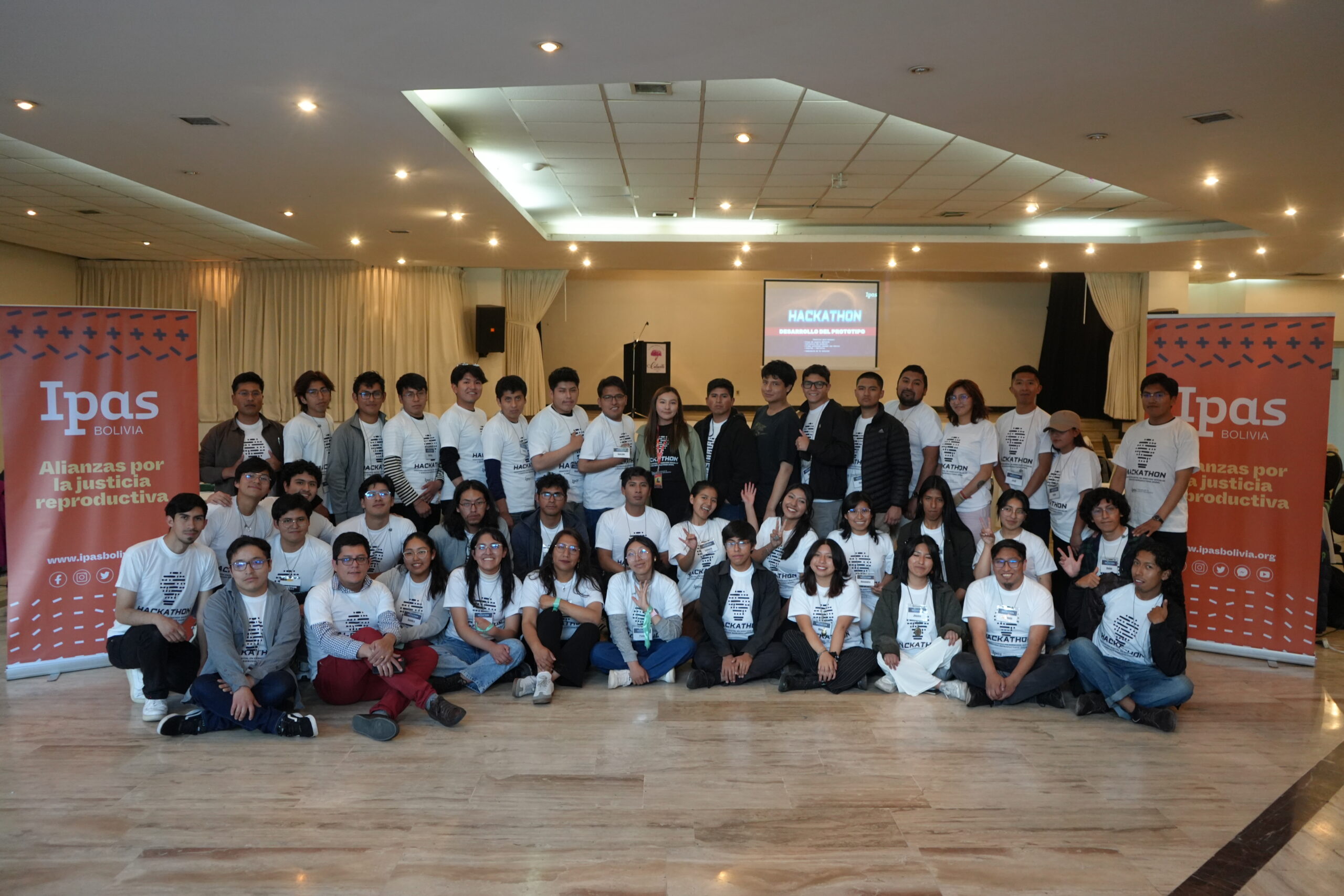
With the goal of positioning youth as creators of technology with social impact, Ipas Bolivia promoted the development of 14 digital-based prototypes oriented to the defense and exercise of Sexual and Reproductive Rights (SRHR) through its “Digital Innovation Hackathon on SRHR”. The initiative, which brought together more than 40 young people from La Paz and El Alto in a digital innovation Hackathon in defense of SRHR, culminated on March 23 with the award of a start-up fund for the winning project and an economic incentive for the second place.
After an open call to young people, 14 finalist teams were selected, who participated in an intensive training and mentoring process to develop digital solutions. The teams participated in an intensive training and mentoring process that allowed them to develop digital solutions aimed at the prevention of violence, teenage pregnancy and access to reliable information on DSDR among peers.
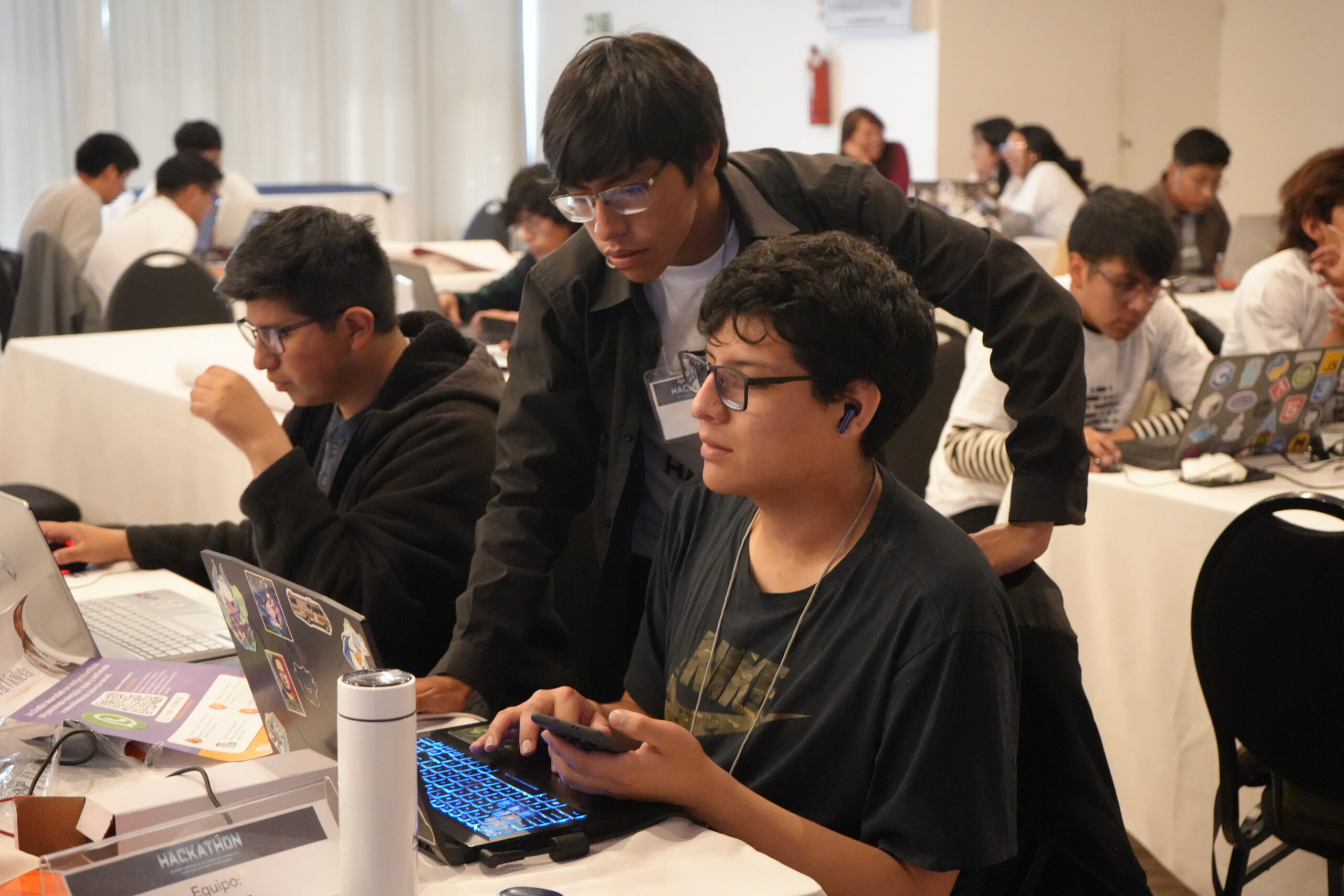
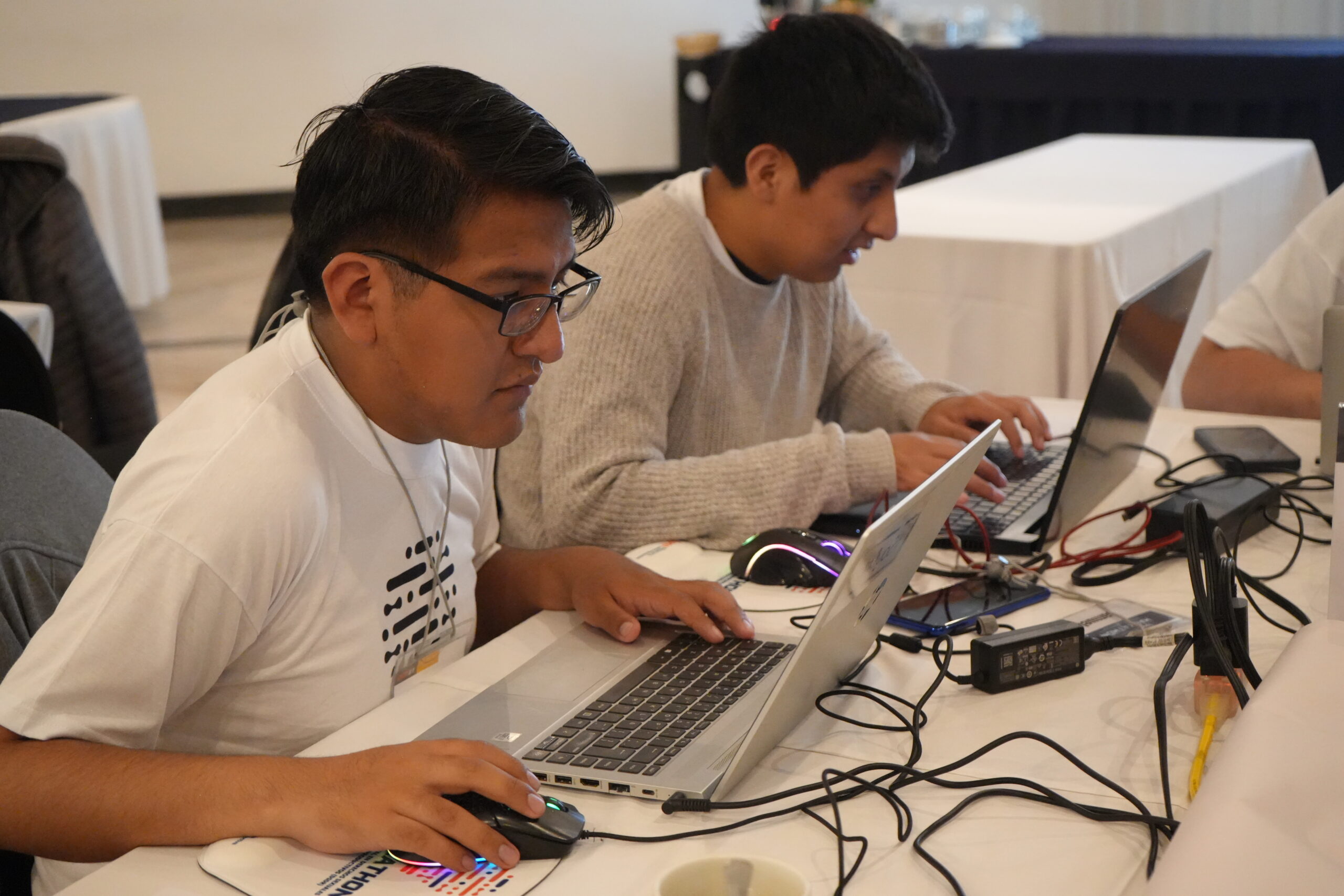
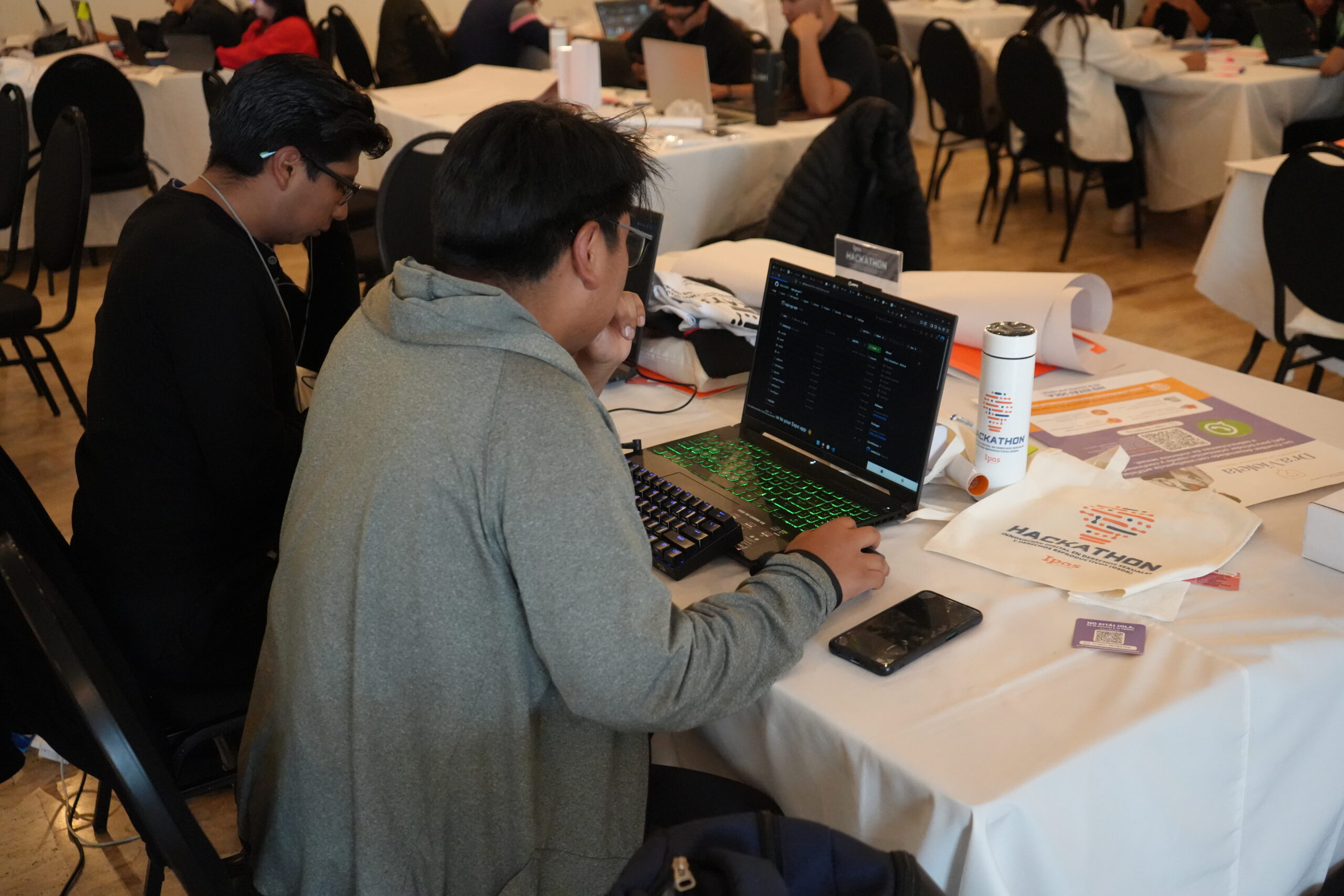
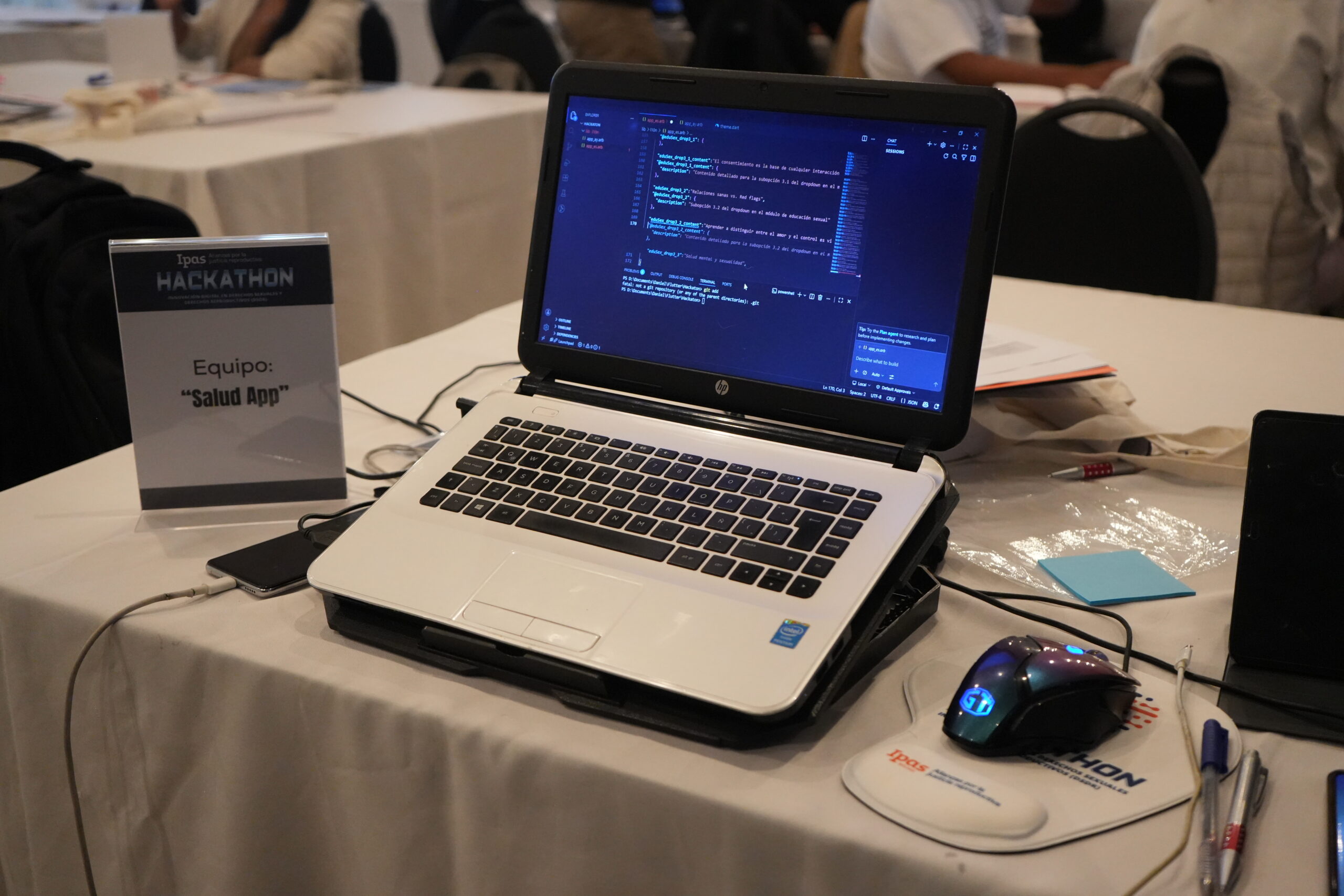
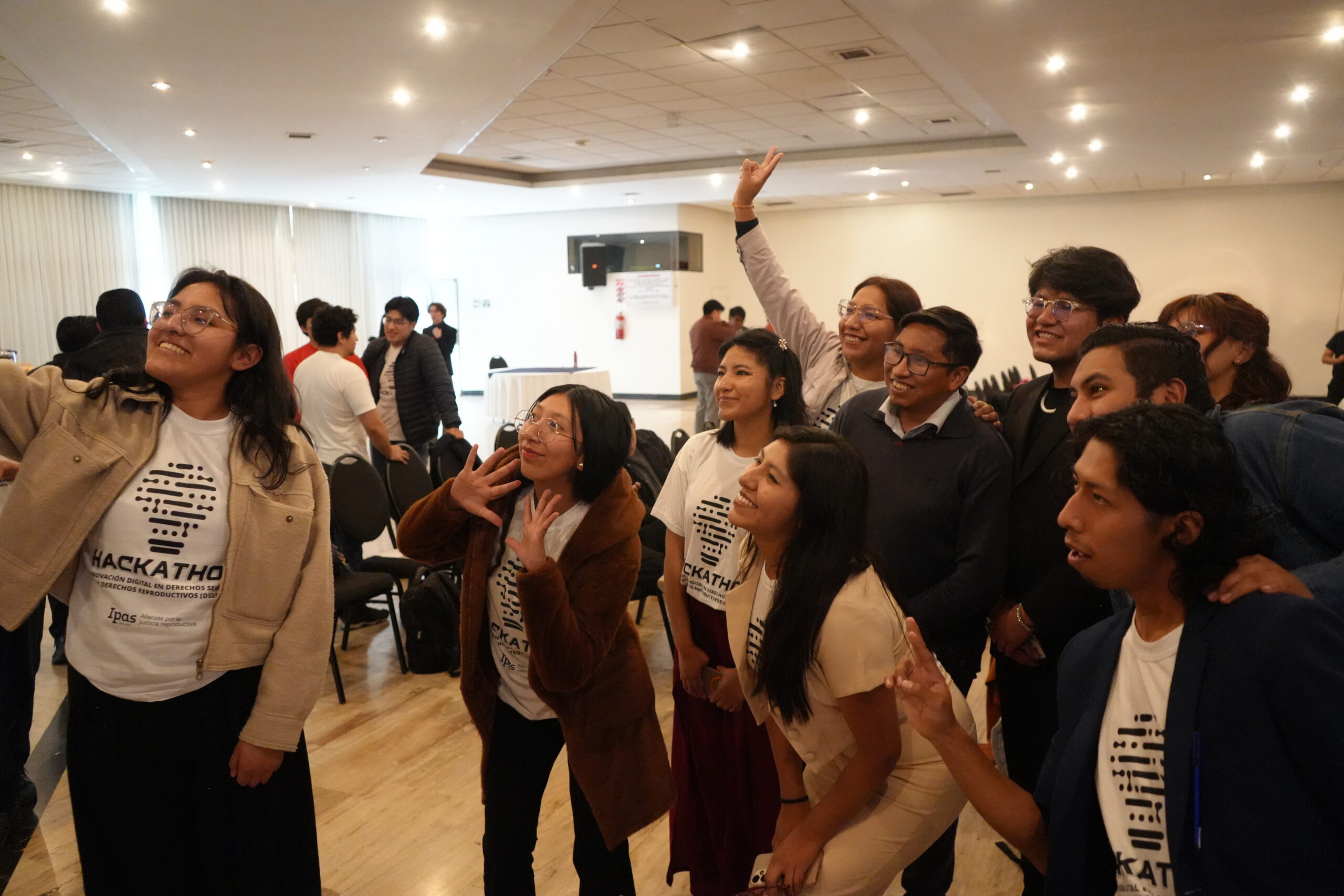
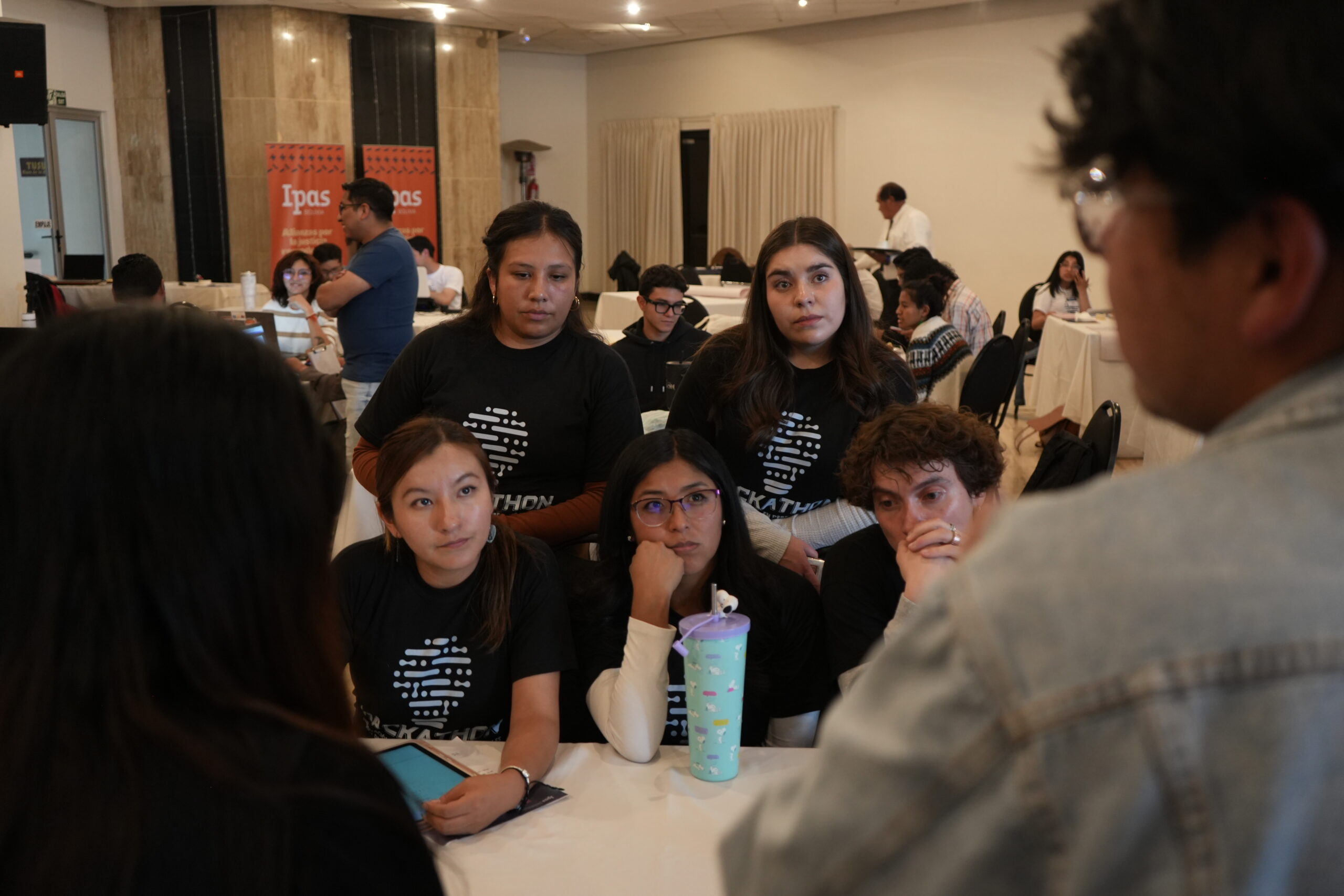
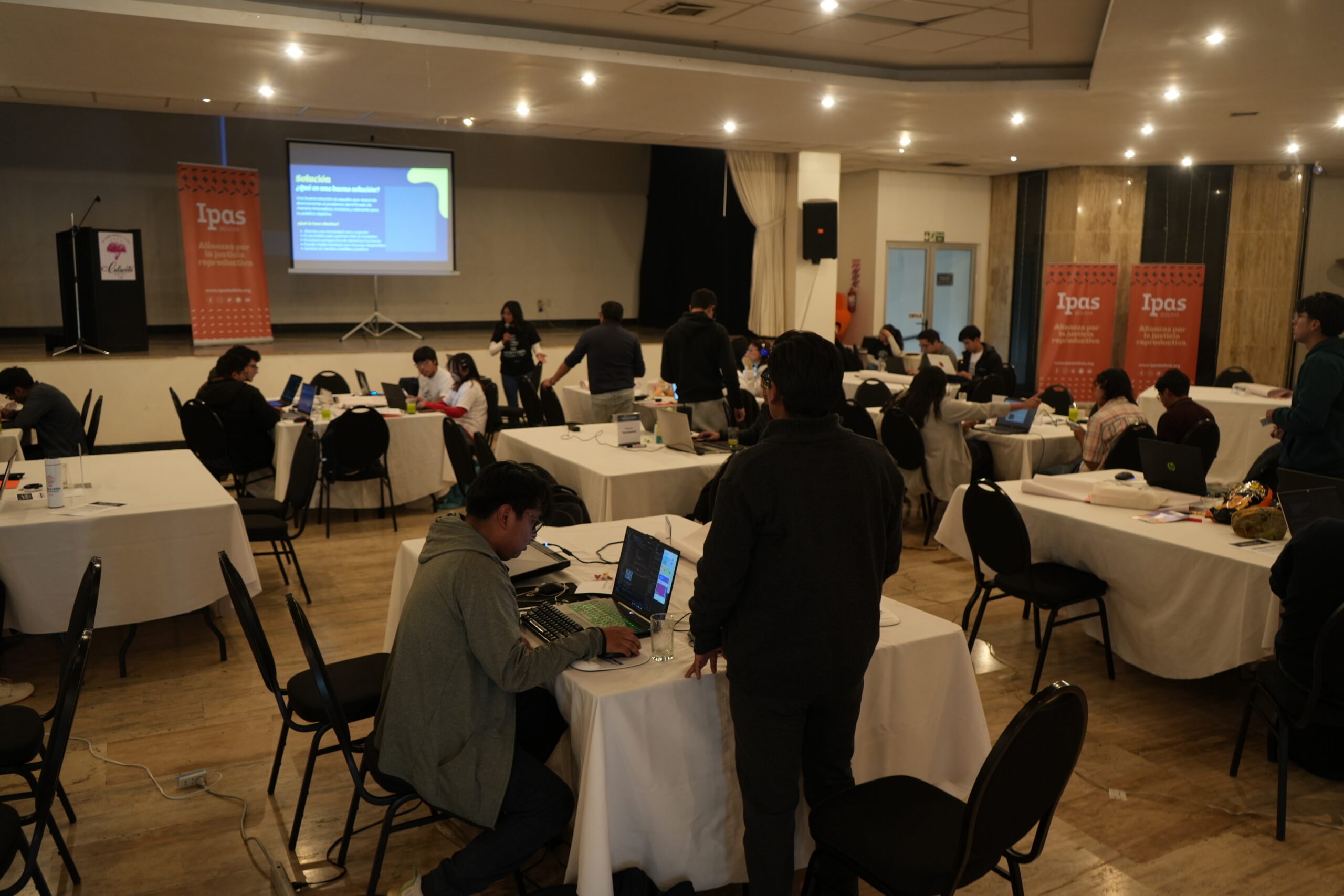
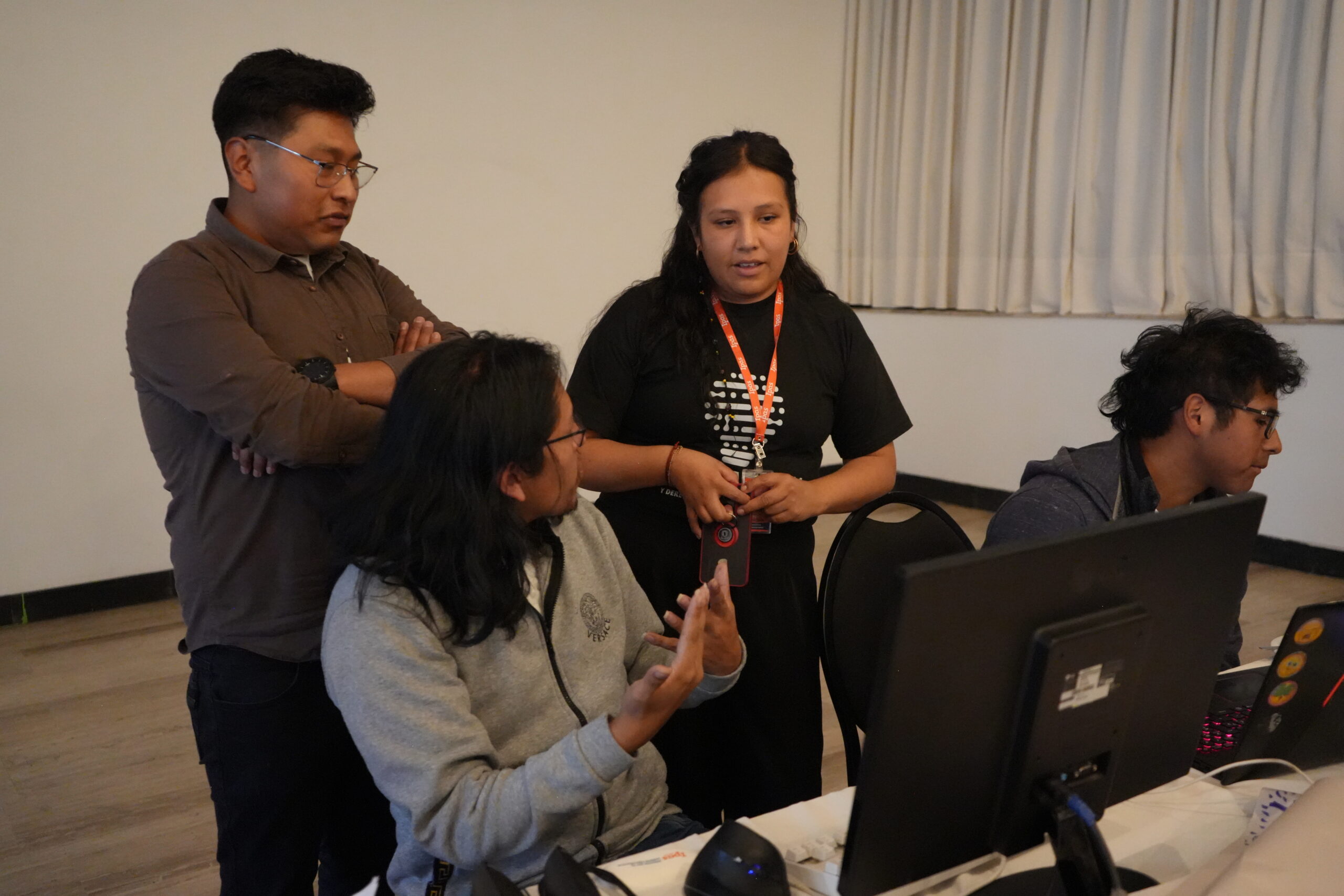
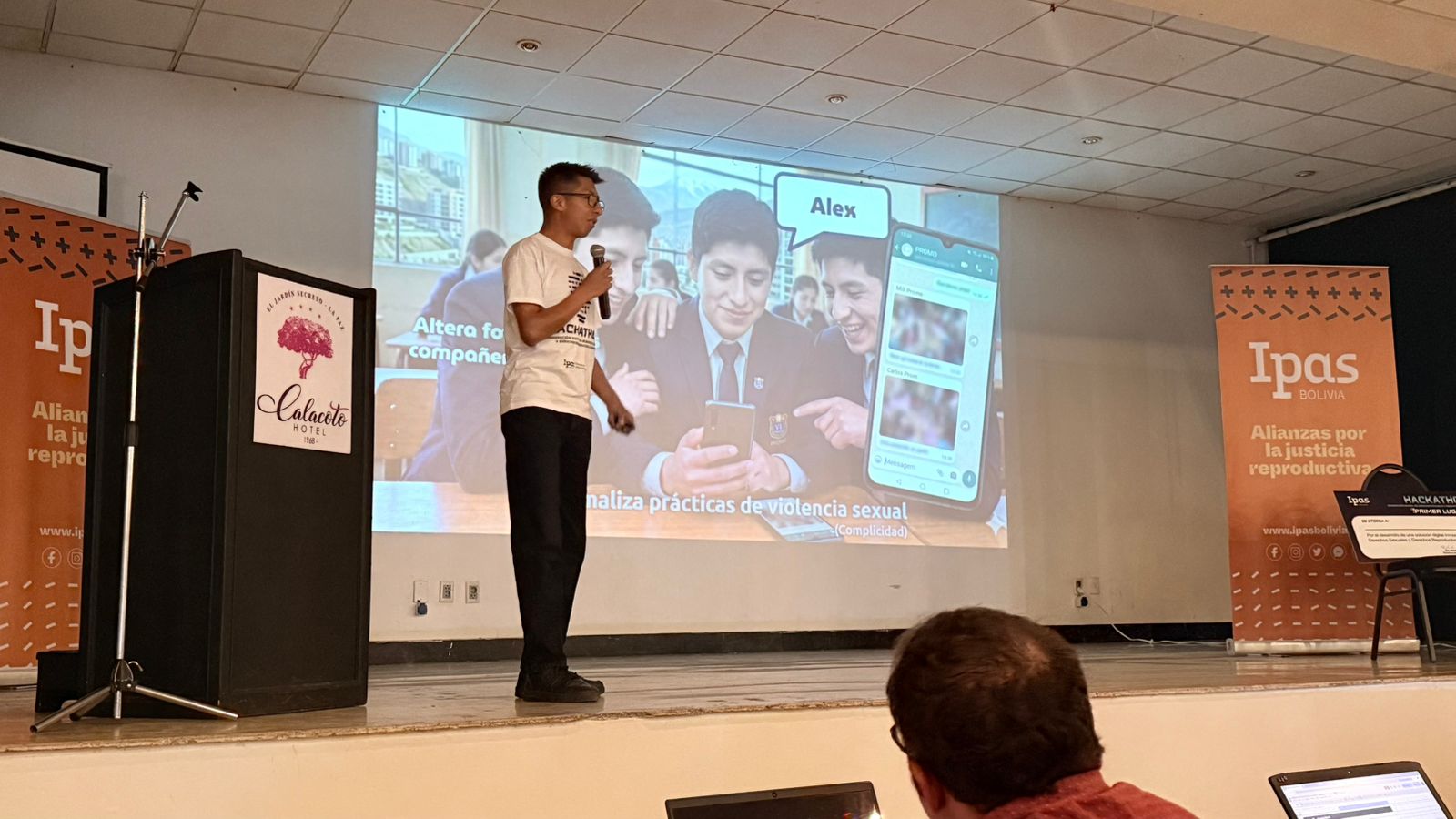
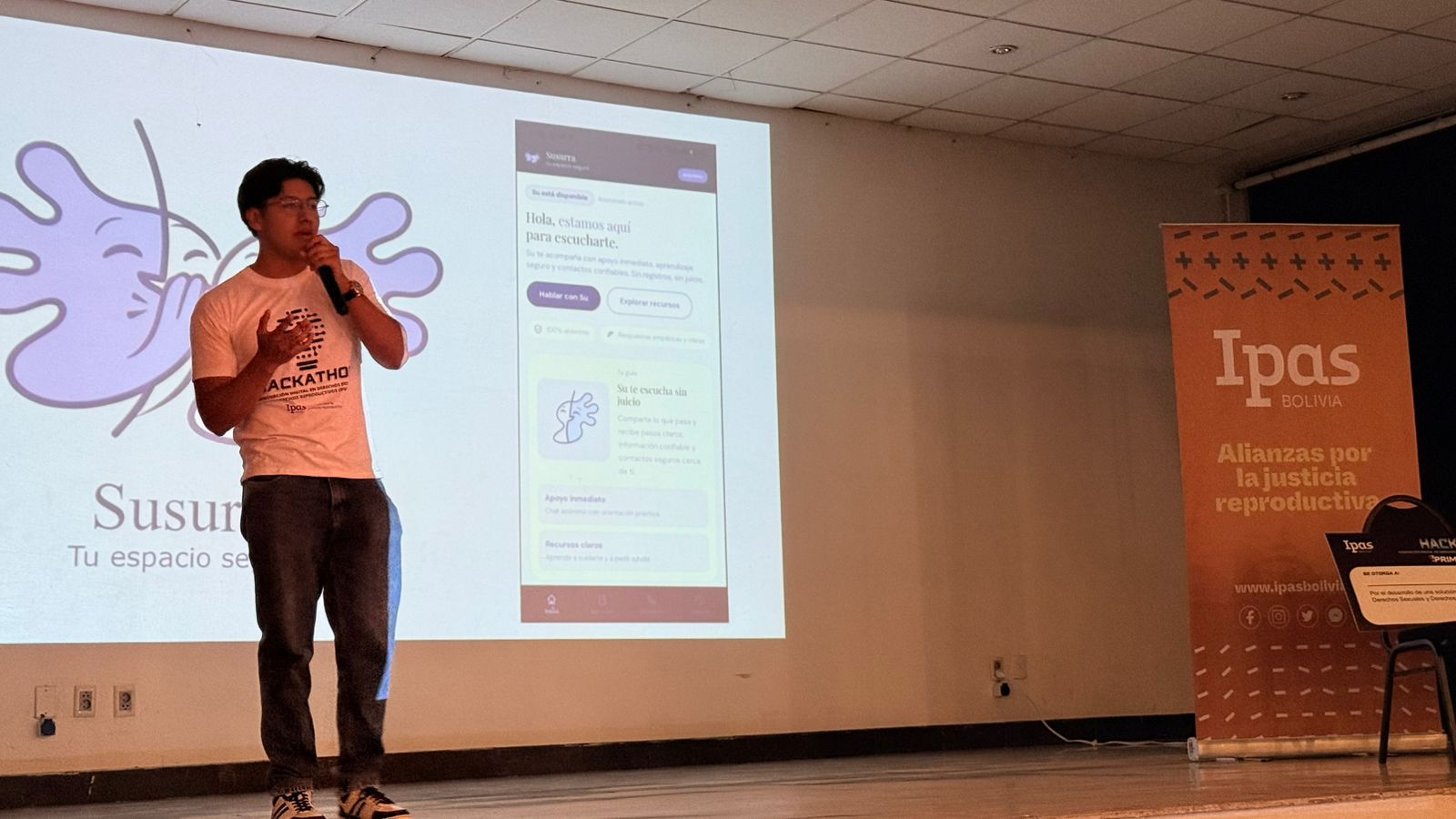
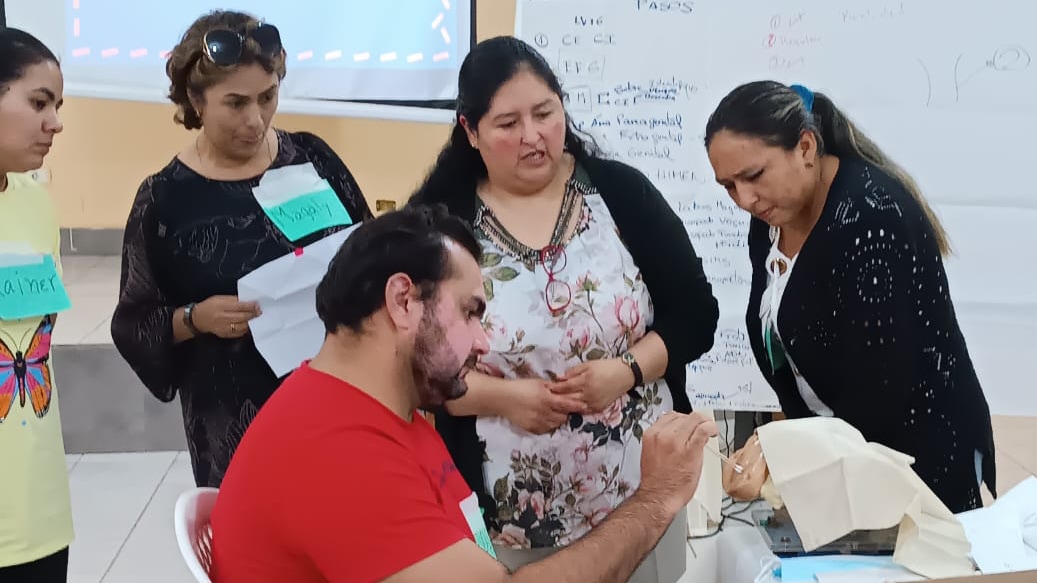
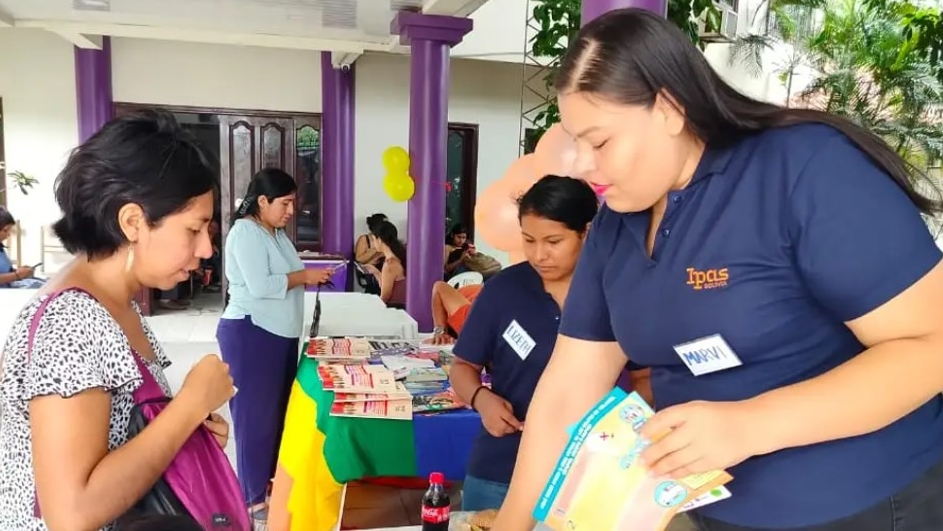
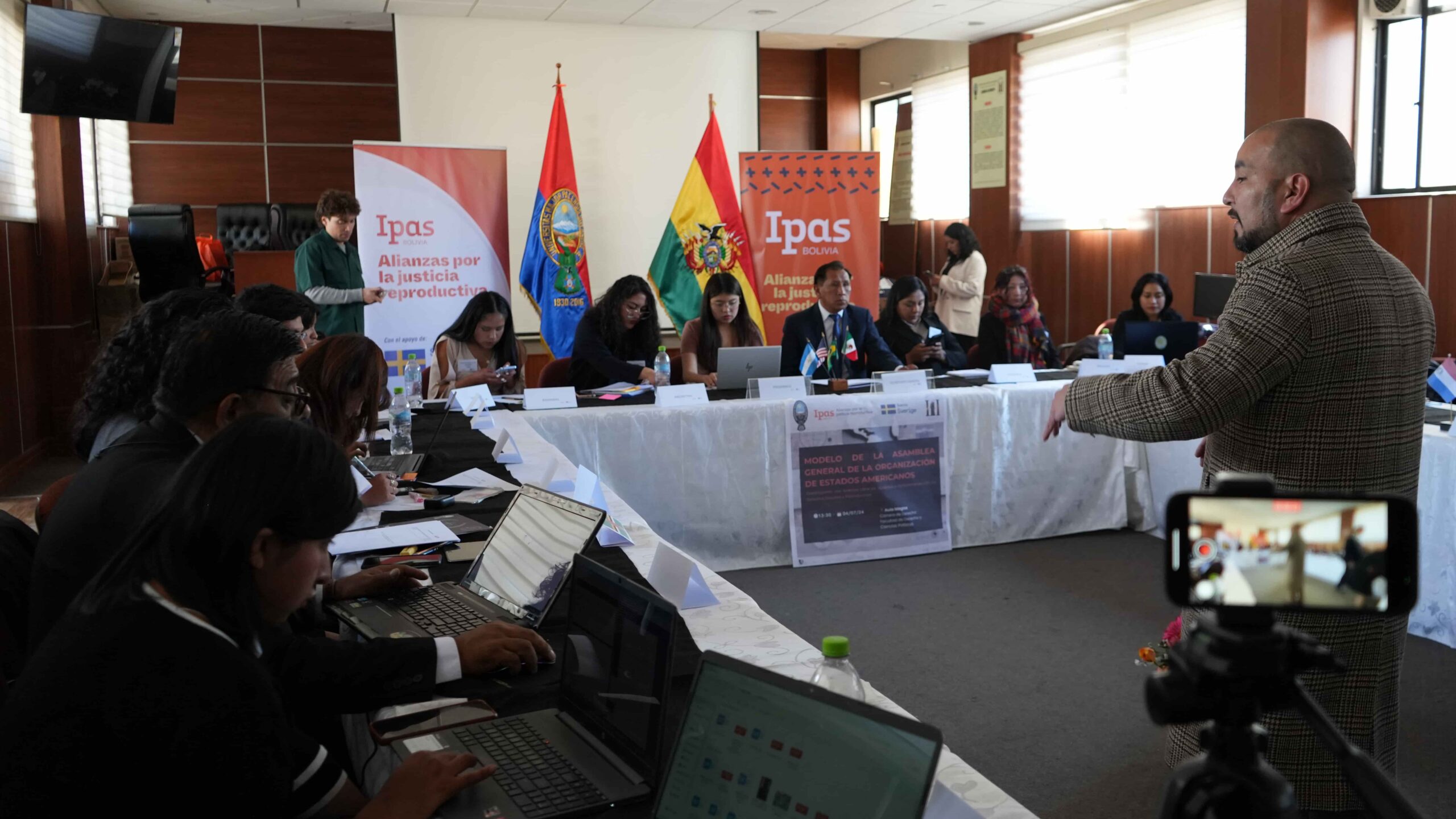
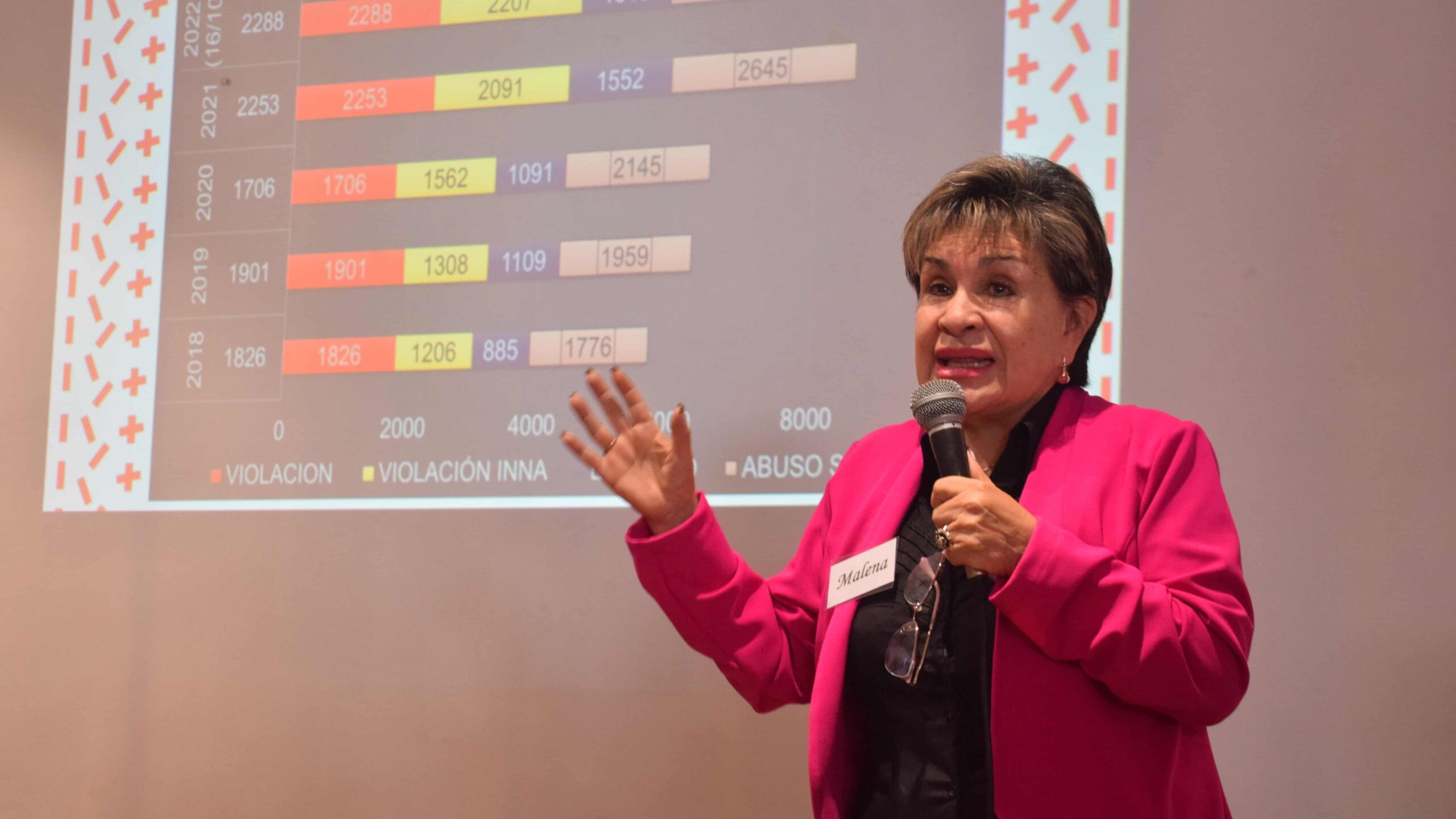
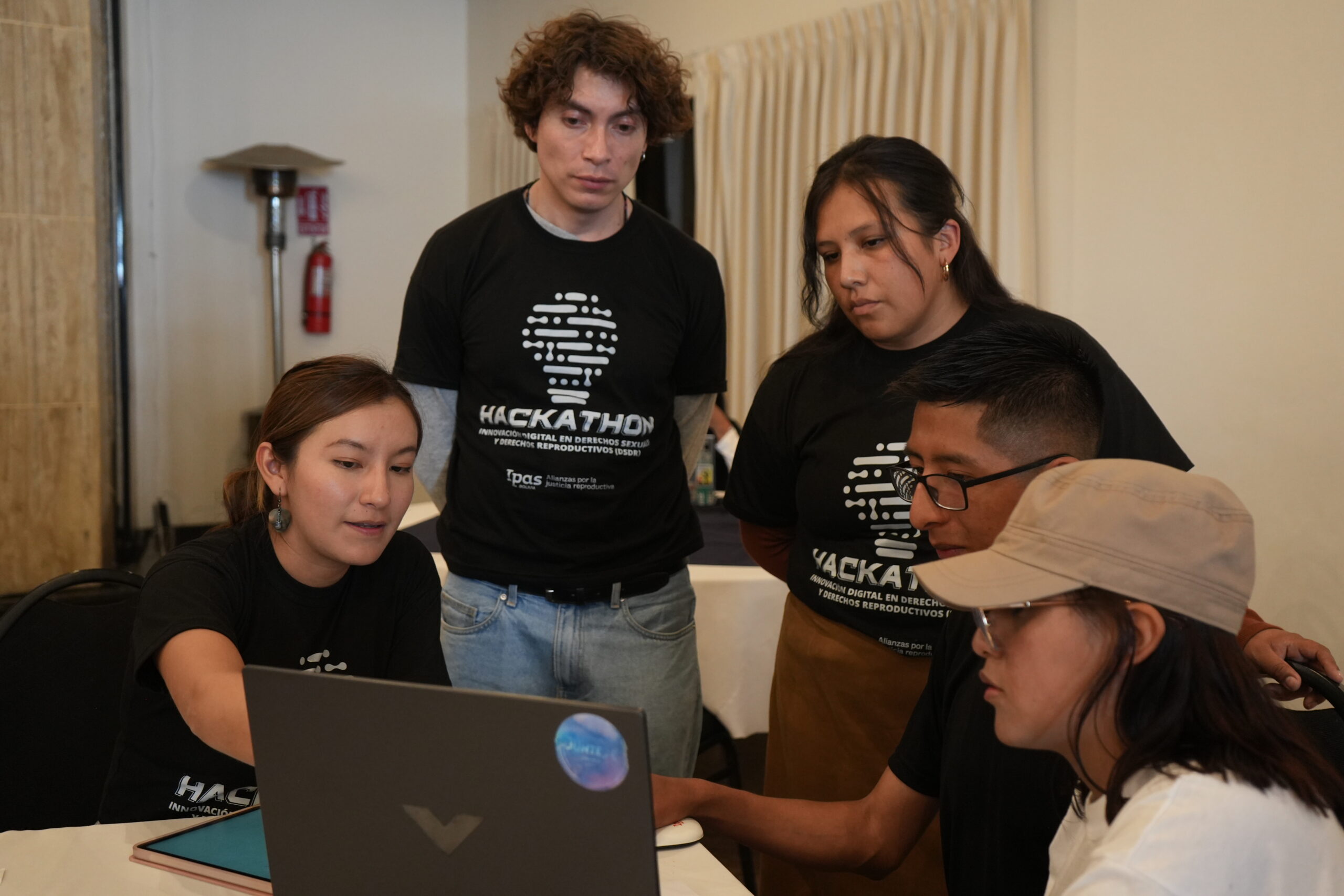
Photo 1, 2, 3 and 4. Participants of the “Digital Innovation Hackathon on Sexual and Reproductive Rights (DSDR)” working on the development of their prototypes.
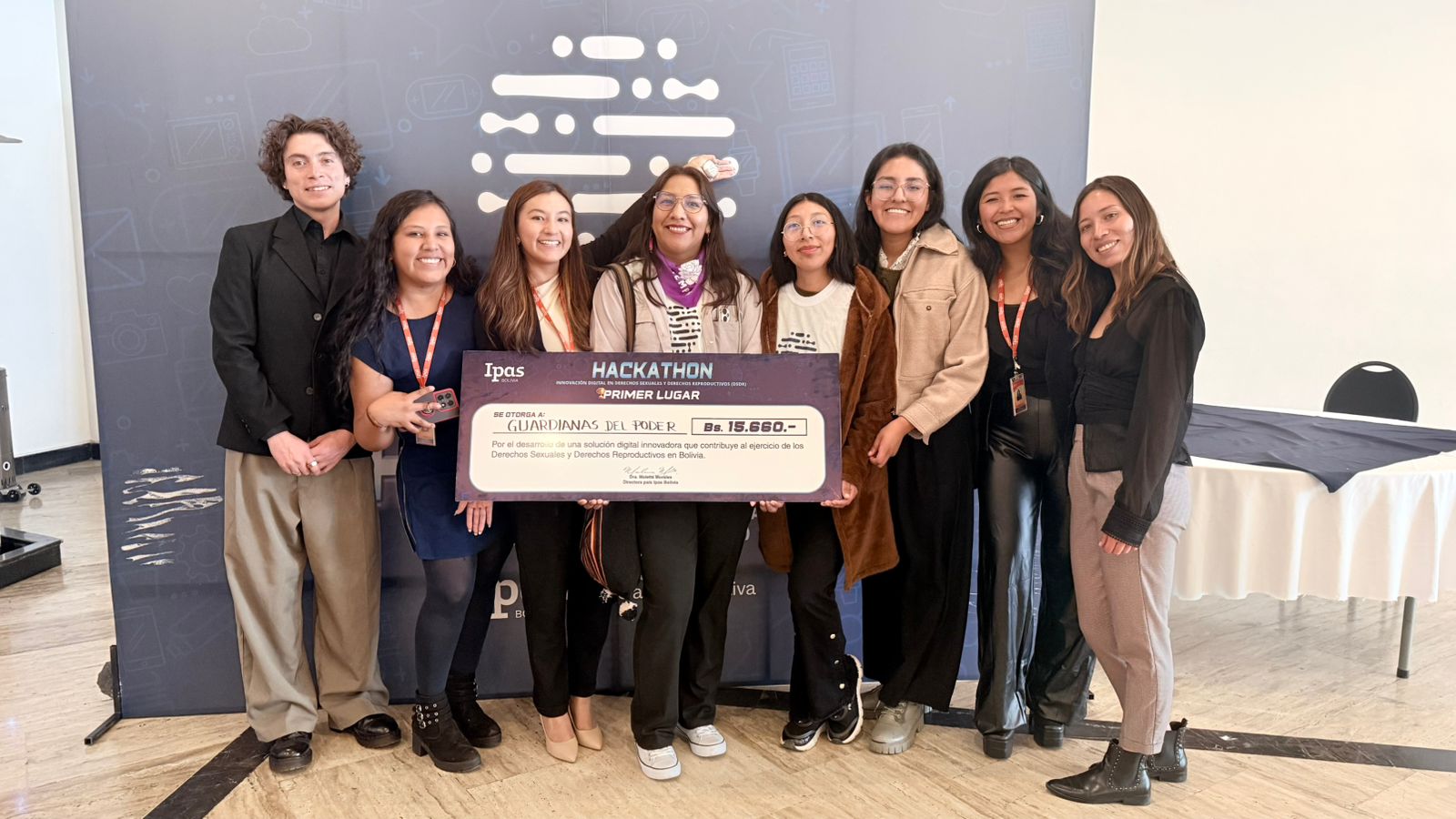
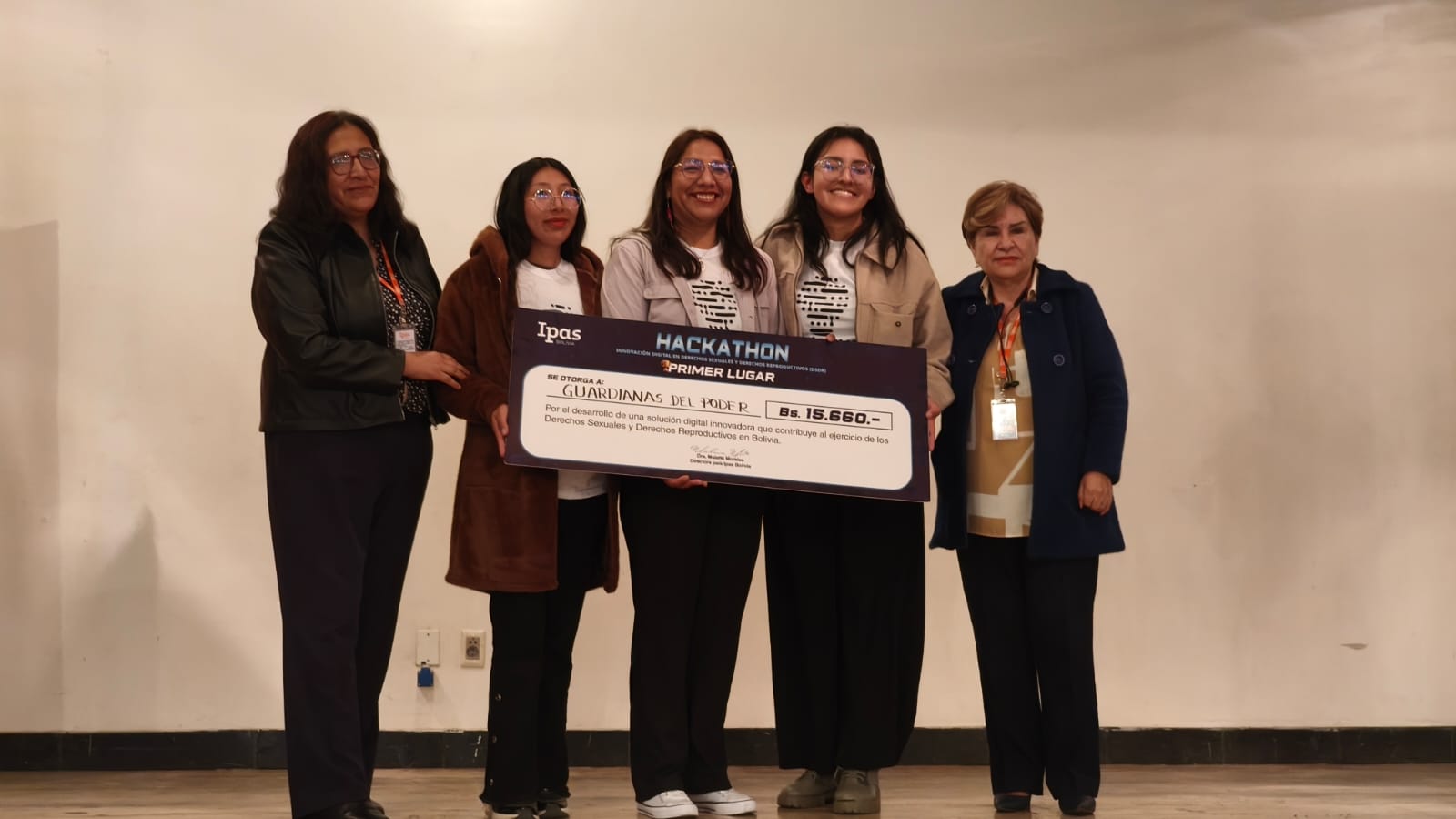
On March 23, the process culminated with the presentation of the proposals of the participating teams. Each group presented its prototype to a panel of expert jurors, who assessed the relevance, creativity, viability and potential impact of the initiatives. The organization awarded a fund of Bs. 15,660 to team GPW (Guardianas del Poder), first place winners, as a boost for the development of their interactive web platform for self-learning in DSDR adapted for adolescents in rural and peri-urban areas.
Photo 5. Communication team mentoring each participating team.
Likewise, the Sentinel team won second place and an economic incentive of Bs. 6,960 in recognition of the technical quality and innovation of its proposal for an immediate security mobile application, which integrates emergency alerts, geolocation and preventive audio recording. The teams: Voices that weave justice and DSDR Connection received honorable mentions.
“The truth is that I found it very incredible, I have learned a lot. I am from psychology, more from the social area, but putting together ideas with this part of systems engineering has seemed to me something amazing because we can take to action and to reality all the proposals that we can have from a social analysis”.
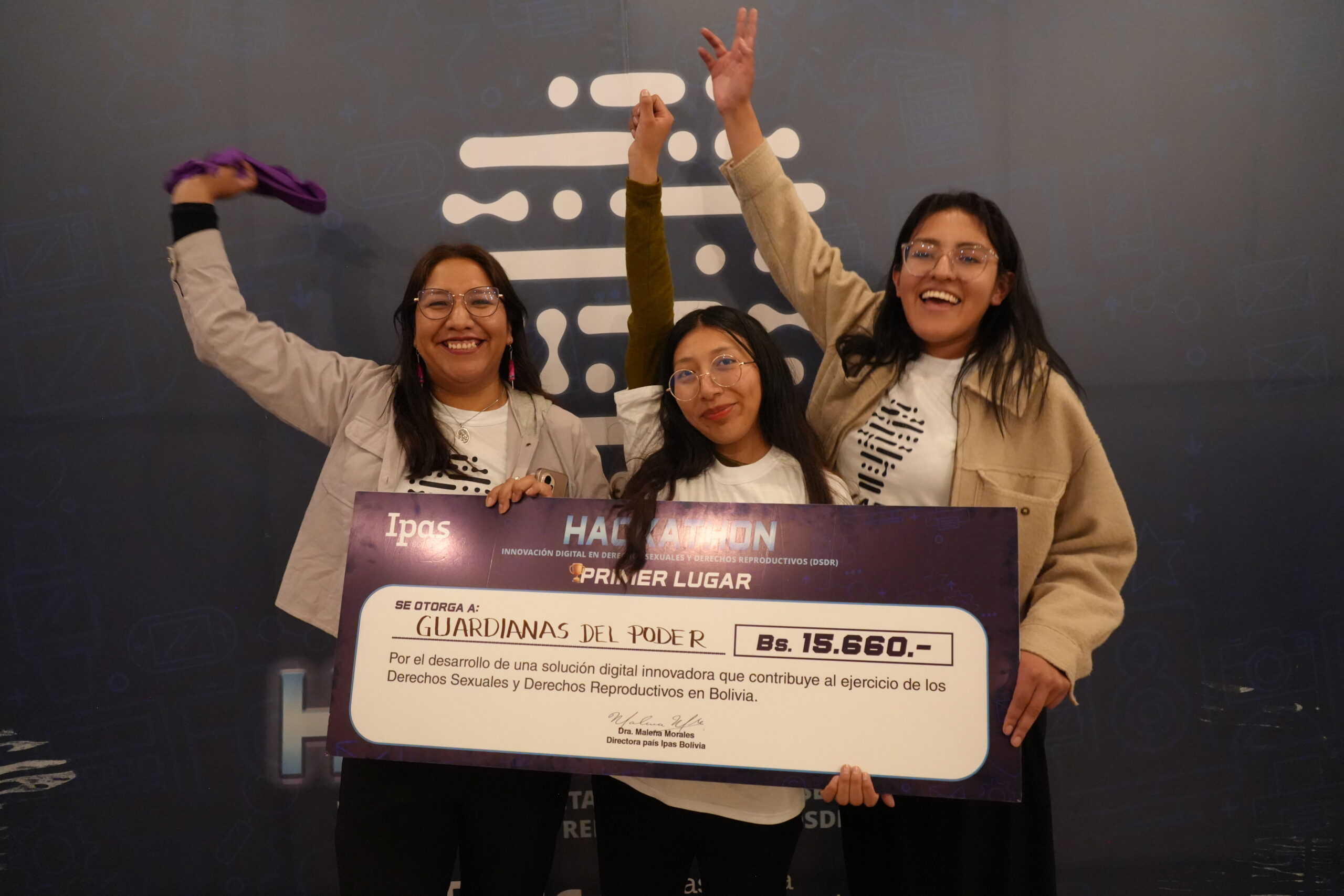
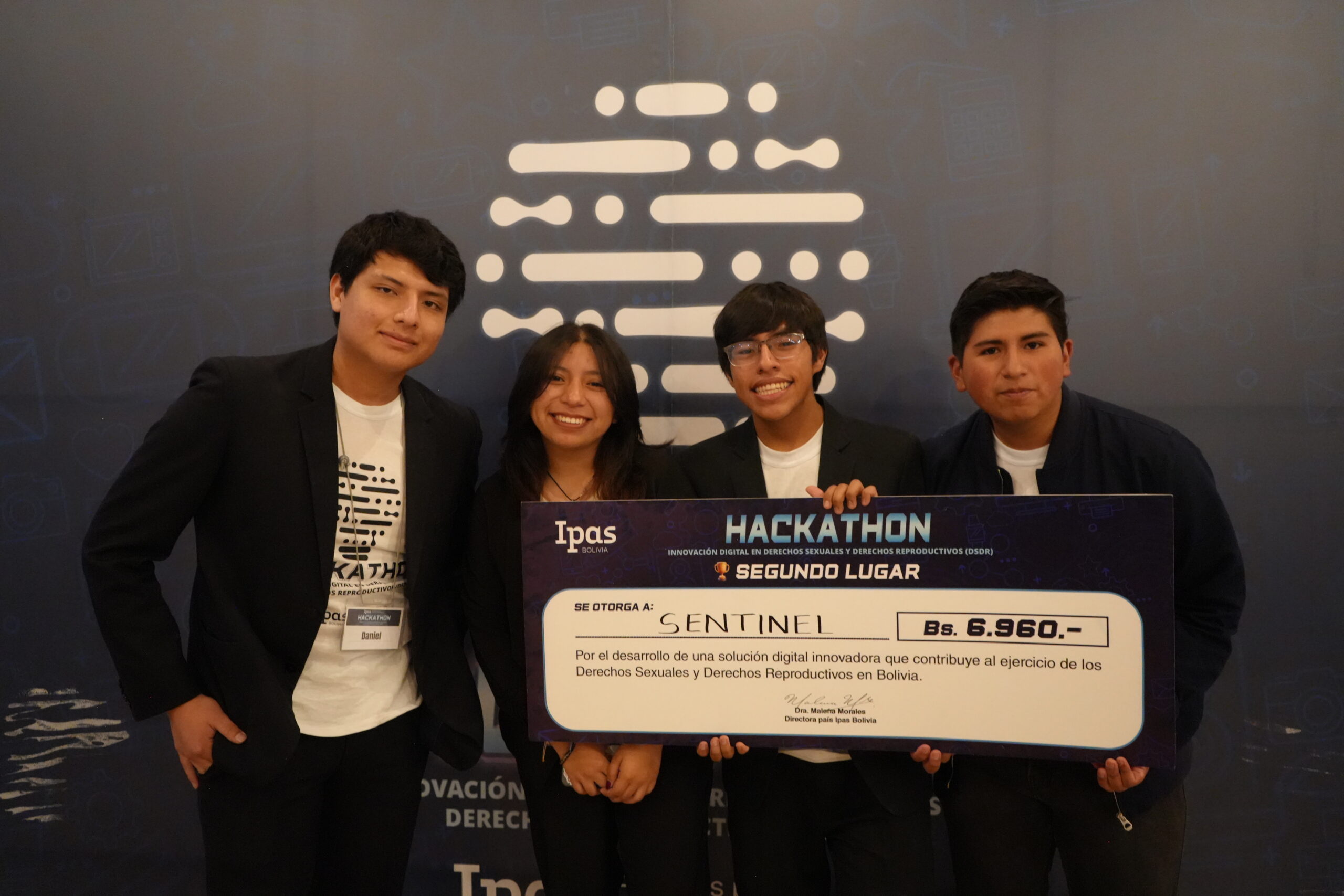
Photo 6. Members of team GPW (Guardianas del Poder), winners of the first prize, celebrating their victory.
Photo 7. Members of the Sentinel team, second prize winners.
Through this incubation model, Ipas Bolivia not only opened a space for specialized training in human rights and agile methodologies, but also facilitated an ecosystem of technical and conceptual mentoring for the participants’ ideas to mature into viable software logic schemes. This hackathon would not have been possible without the talent, creativity and commitment of the young people who made each of these proposals a reality.
In this sense, we recognize the 14 teams selected to be part of this process, who, with their ability to transform ideas into solutions, contribute to the development of digital tools with social impact:
- The Kollas Devs: Yoel Ticona, Edwin Aliaga, Rodrigo Guachalla and Sandra Rodriguez.
- Ciclo Vivo: Jesus Mendoza, Fernando Alvarado, Amira Troche and Jhoana Palacios.
- Sentinel: Oziel Ramos, Luis Rojas, Daniel Ruedas and Rosa Llanos.
- GPW (Guardianas del Poder): Wara Castrillo, Paola Mamani and Gisela Acarapi.
- Yera: Renzo Quispe, Yuri Balboa, Edson Mamani and Ariel Cruz.
- Chachawarmi: José Quino and Evelin Mamani.
- DSDR Connection: Hans Aneiva and Gabriel Cortez.
- Gondansa Development: Samuel Villca, Gonzalo Apaza and David Chuquimia.
- VigiaGG: Omar Quispe, Alejandro Cosulich and Jhamil Mamani.
- Code Cats Studio: Leandro Chavez, Marcelo Villarroel and Edgar Salas.
- Health App: Andres Rivera and Daniel Perez.
- Entre Nos: Jhon Salamanca, Daniel Mamani, Esmeralda Medina and Erica Lia Condori.
- Voices weaving justice: Carla Laura, Katherine Mendoza, Oscar López and Eric Apaza.
- BIT: Alejandra Tejerina, Andres Gomez and Carla Villalobosi.