
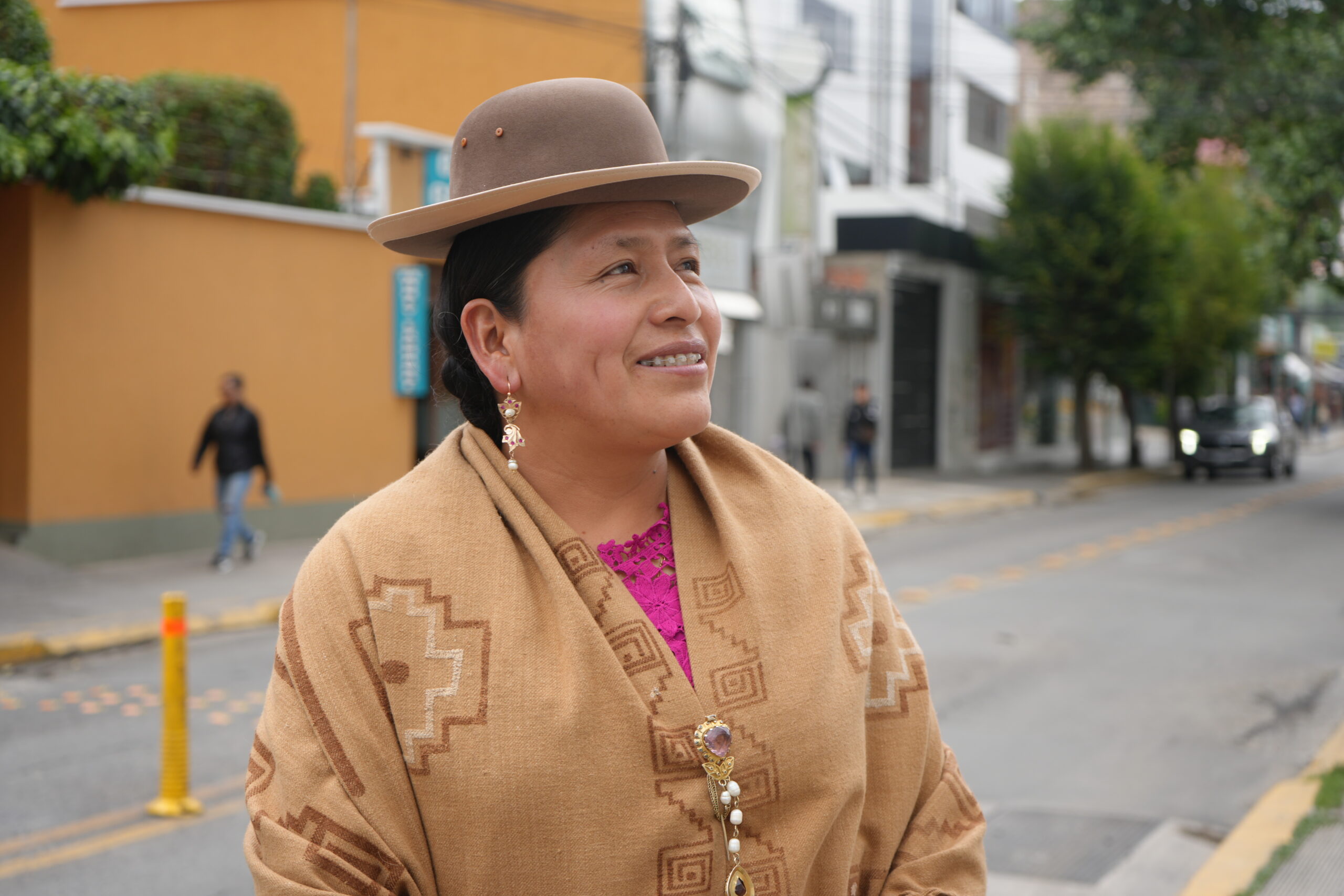
Virginia Velasco does not start by talking about laws when she recalls why she decided to push for a law to ban child marriages in Bolivia. Her memory returns, rather, to the inequalities she saw from a young age and the realities that marked the lives of many women in the country. “The suffering, the poverty, the inequality. We women had no opportunities… to a decent education, to decent health care,” she recalls when talking about the years that shaped her understanding of the defense of rights.
In that environment, accessing information or talking openly about sexual and reproductive health and rights was virtually impossible. “When we didn’t have health, we didn’t have education, much less anyone… could talk about sexual and reproductive rights,” she explains. Over time, those experiences became a personal conviction: the need for girls and adolescents to be able to grow up with opportunities that many previous generations had not had.
“The suffering, the poverty, the inequality. We women did not have opportunities… for a decent education, for decent health”. […] “When we did not have health, we did not have education, much less that someone… could talk about sexual and reproductive rights”.
Her participation in human rights advocacy spaces reinforced this commitment. In different community spaces she heard stories that led her to question practices that for years had been normalized. “Imagine a 15-year-old girl, a 14-year-old girl, a 16-year-old girl… what do you think that girl is going to take on so much responsibility?” she says, referring to the situations faced by many adolescent girls. In many cases, she recalls, decisions were made within the families themselves under social or economic pressure. “Parents would say, ‘she’s already pregnant, so she has to get married.'”
When she arrived at the Plurinational Legislative Assembly as a senator, that conviction after some time found a concrete possibility of becoming a normative proposal. The objective was to modify the Family Code to eliminate the exceptions that still allowed marriage before the age of 18. But the path to achieve this was not immediate. For more than three years, the proposal went through debates, resistance and discussion processes within the Legislative.
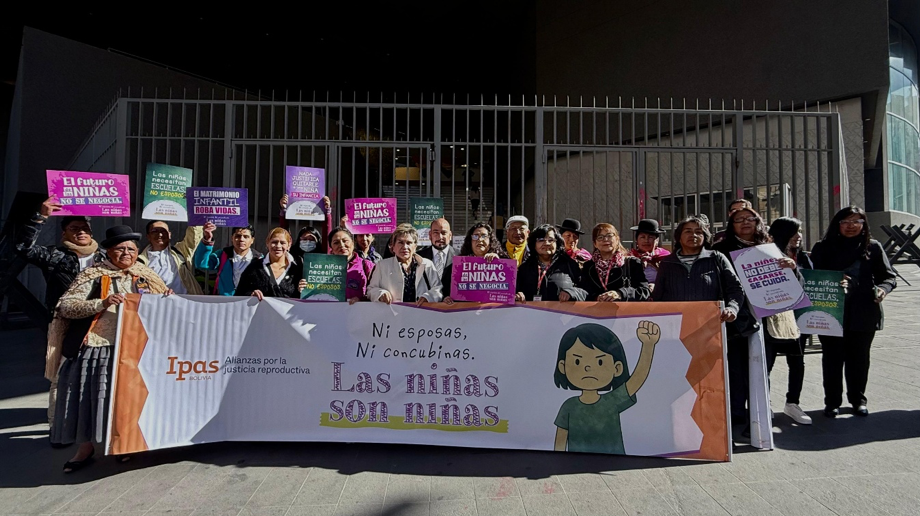
In this process, the initiative also found allies outside Parliament. Civil society organizations working in the defense of the rights of girls and adolescents accompanied the process with evidence, analysis and awareness-raising actions. Among them were Ipas Bolivia and the Human Rights Community, which provided technical input and monitoring of the legislative process.
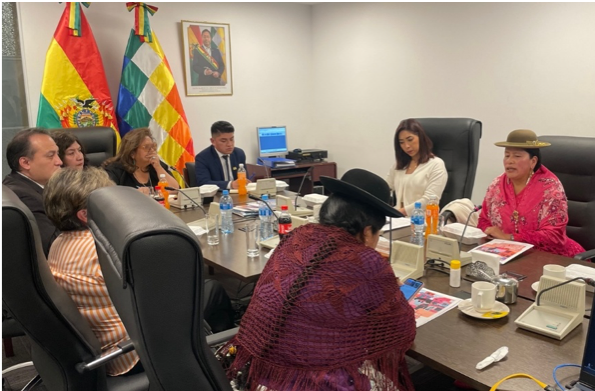
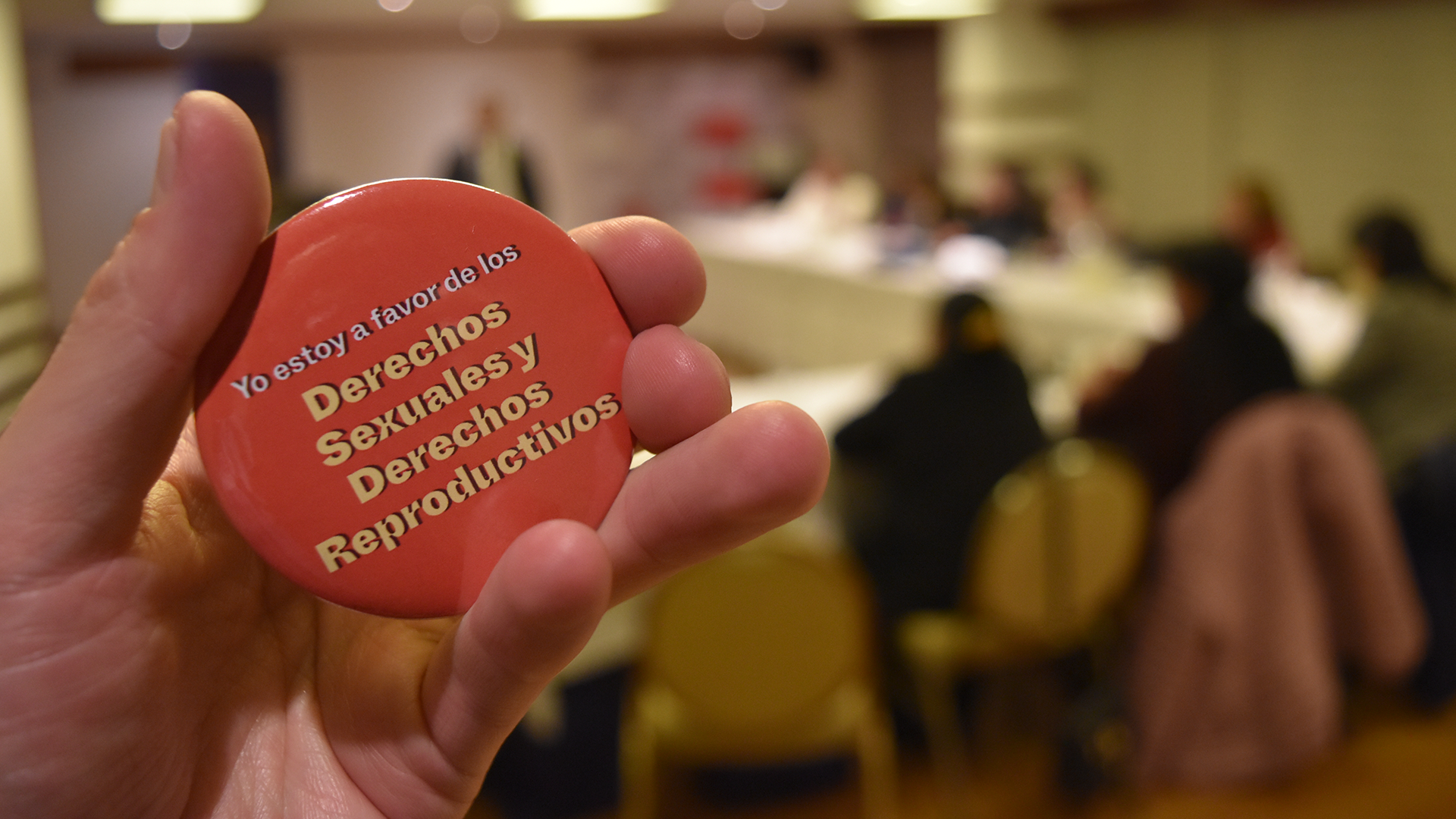
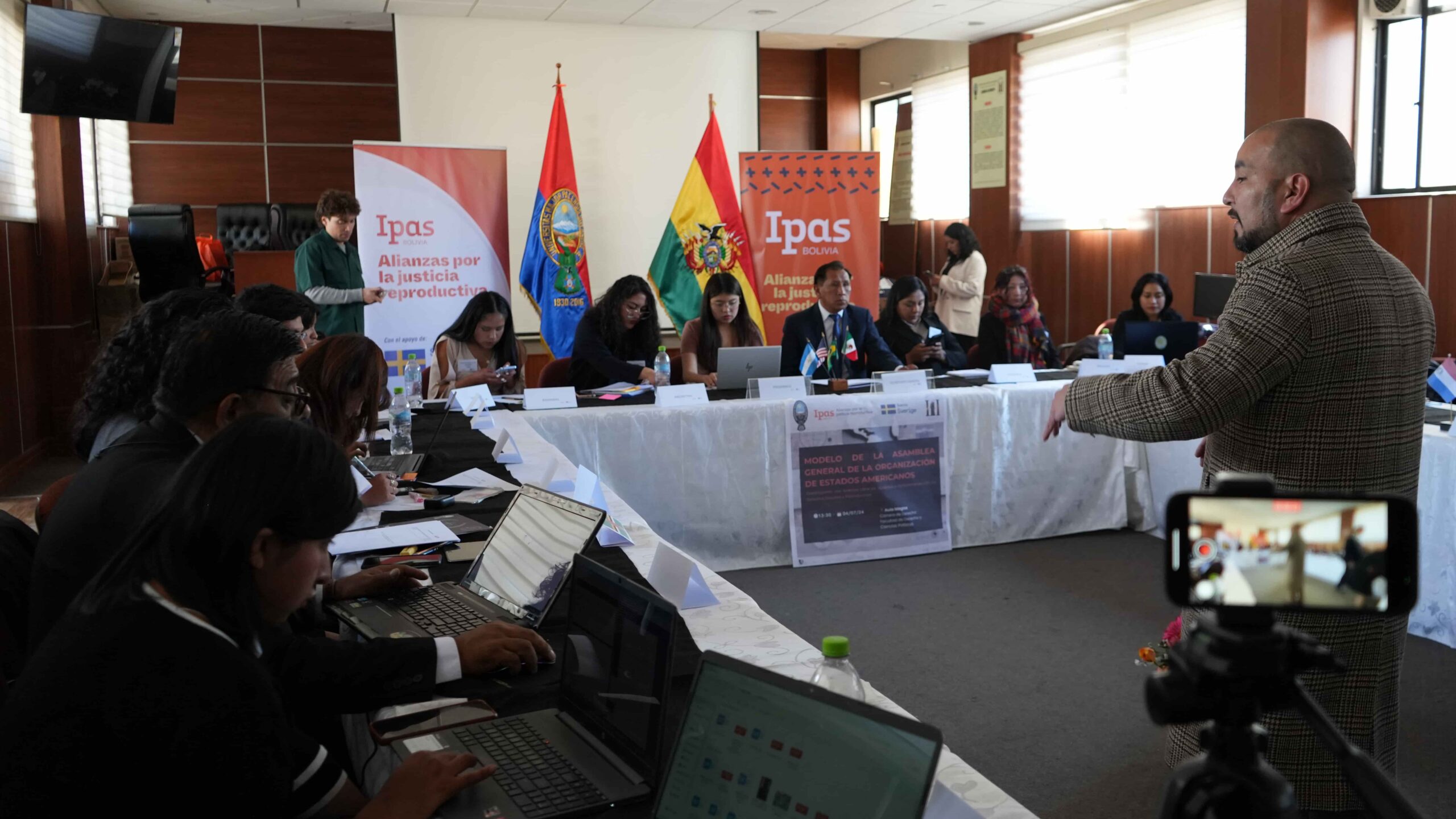
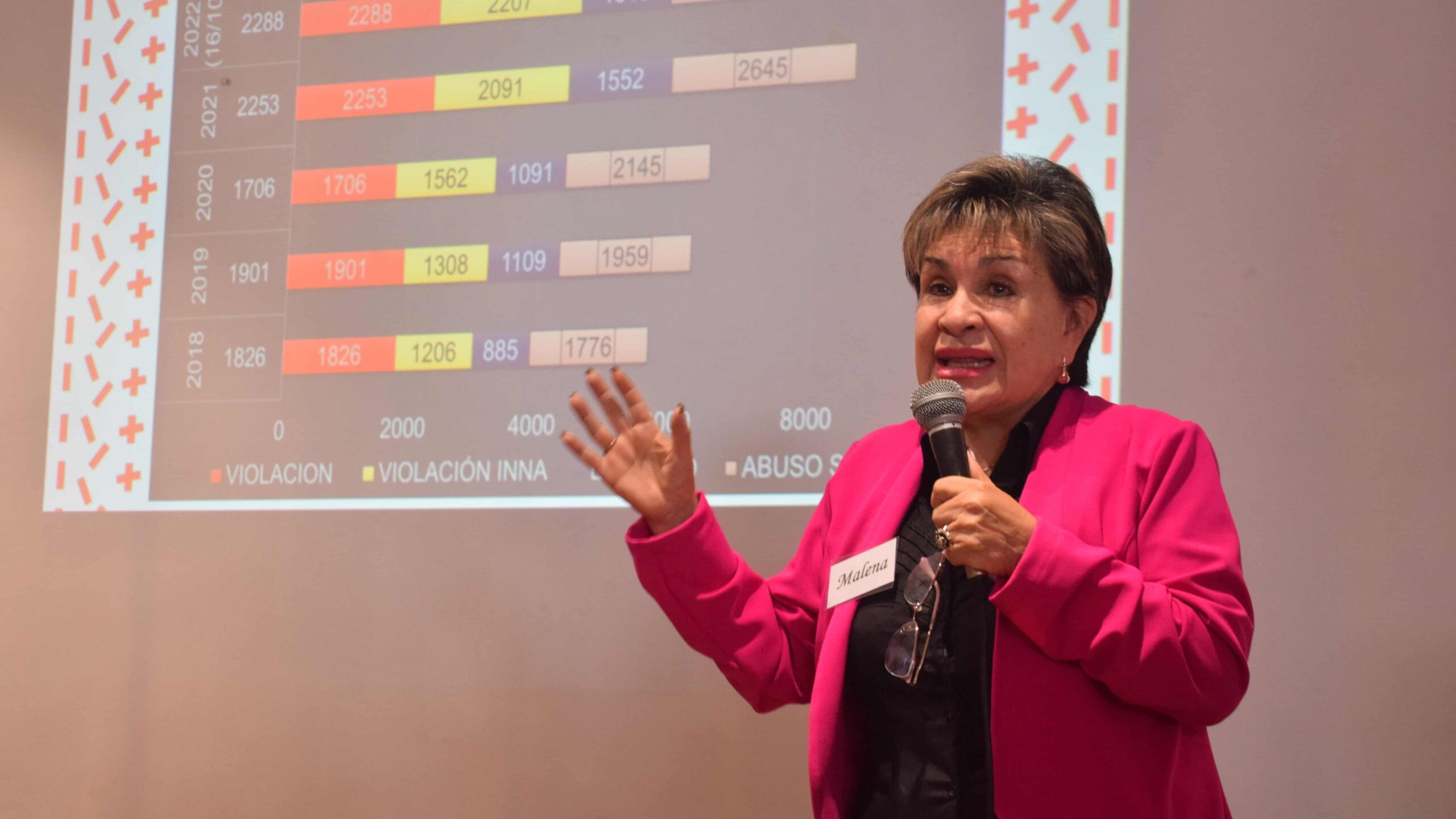
Photo 2: Meetings on the treatment of the draft law.
Virginia remembers that accompaniment as a key moment in sustaining the process. “I saw that commitment from Ipas Bolivia…that committed work for the country, for our children and adolescents,” she says. For her, this support allowed the discussion to remain not only in the political sphere, but to be based on evidence and the reality faced by many girls in the country. One of the moments that had the greatest impact on her during the debate was the presentation of audiovisual material showing situations that, for many people, remained invisible. “Her own father, her own mother, handing over her daughter… it breaks our souls,” she recalls.
After more than three years of legislative debate and articulated work, in September 2025 Bolivia enacted Law No. 1639, promulgated in Bolivia on September 24, 2025, prohibits child marriage by modifying the Family Code (Law 603).. It eliminates all exceptions that allowed the union of minors under 18 years of age, declaring such unions null and void without the possibility of validation.
For Virginia, the approval represented a deeply significant moment. “I feel very happy, content, to defend this right, as a woman, first, as an authority and as a defender of human rights,” she says.
However, he insists that the enactment of the law does not mean that the challenge is solved. In his opinion, real change will depend on prevention and work with families, children and adolescents. “It is not just passing the law and that’s it. We have to generate public prevention policies,” he warns.
Because behind Law No. 1639 there is not only a regulatory change. There are years of conviction, coordinated work and alliances that made it possible to transform a shared concern into a concrete measure to protect girls and adolescents in Bolivia. Along this path, Ipas Bolivia has accompanied processes of advocacy, dialogue and generation of evidence together with authorities and civil society organizations. The articulation with committed leaders, such as the then Senator Virginia Velasco, demonstrates that when conviction finds allies, it is possible to promote changes that expand the protection of rights.
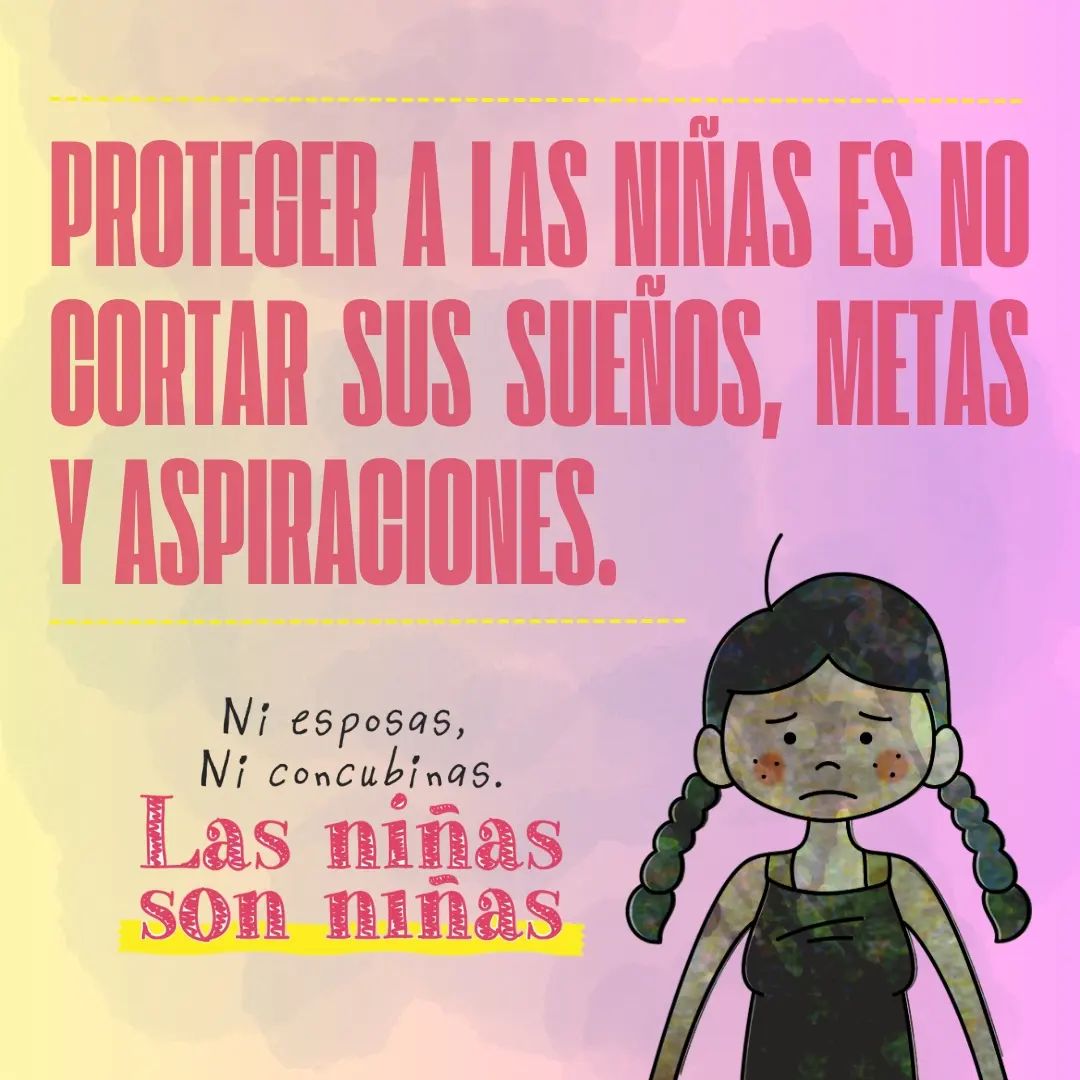
From Ipas Bolivia, the commitment continues: to continue working so that this law translates into real changes and so that more and more girls can grow up, study and decide their own future. Because the goal remains the same: Neither wives nor concubines, girls are girls!