
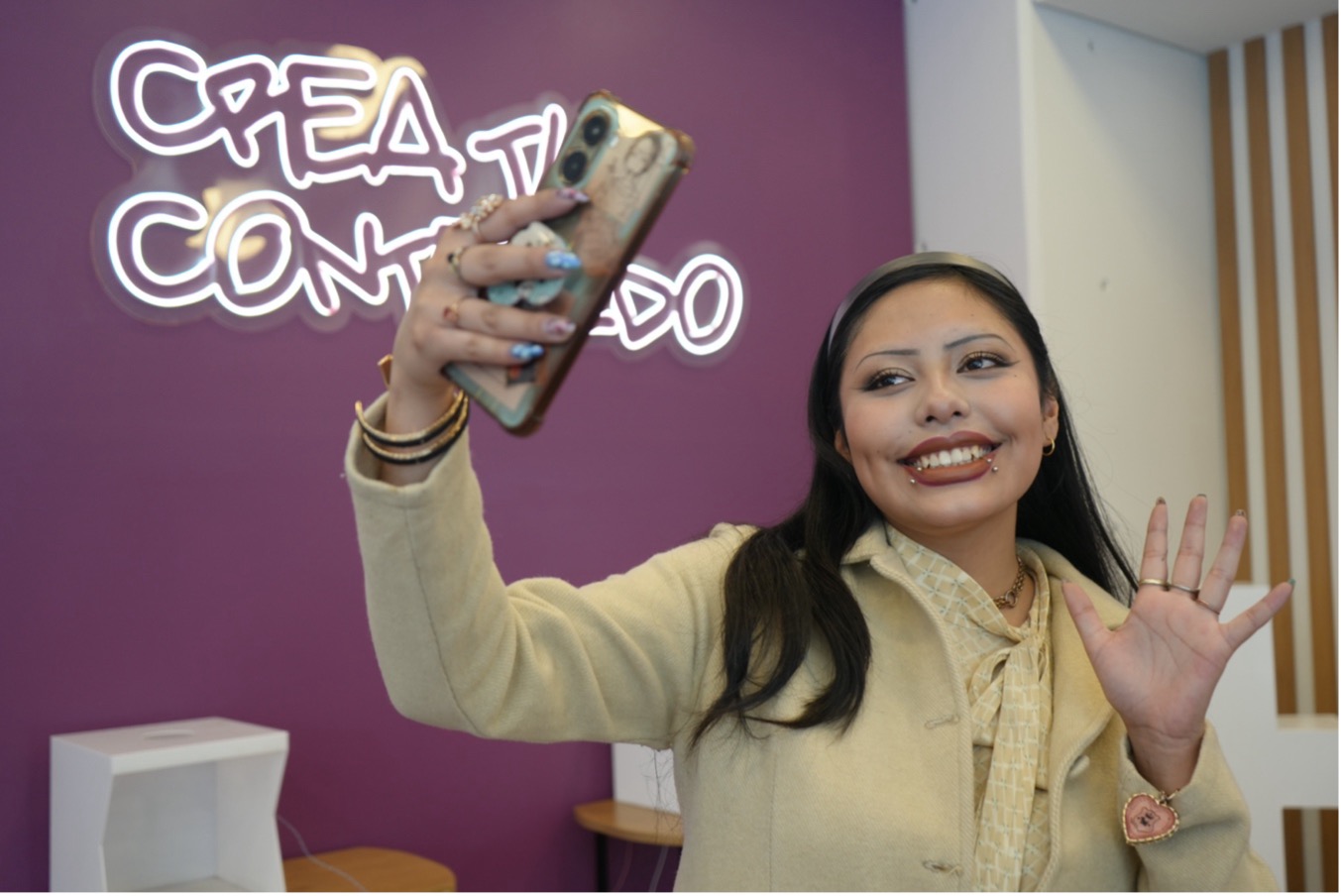
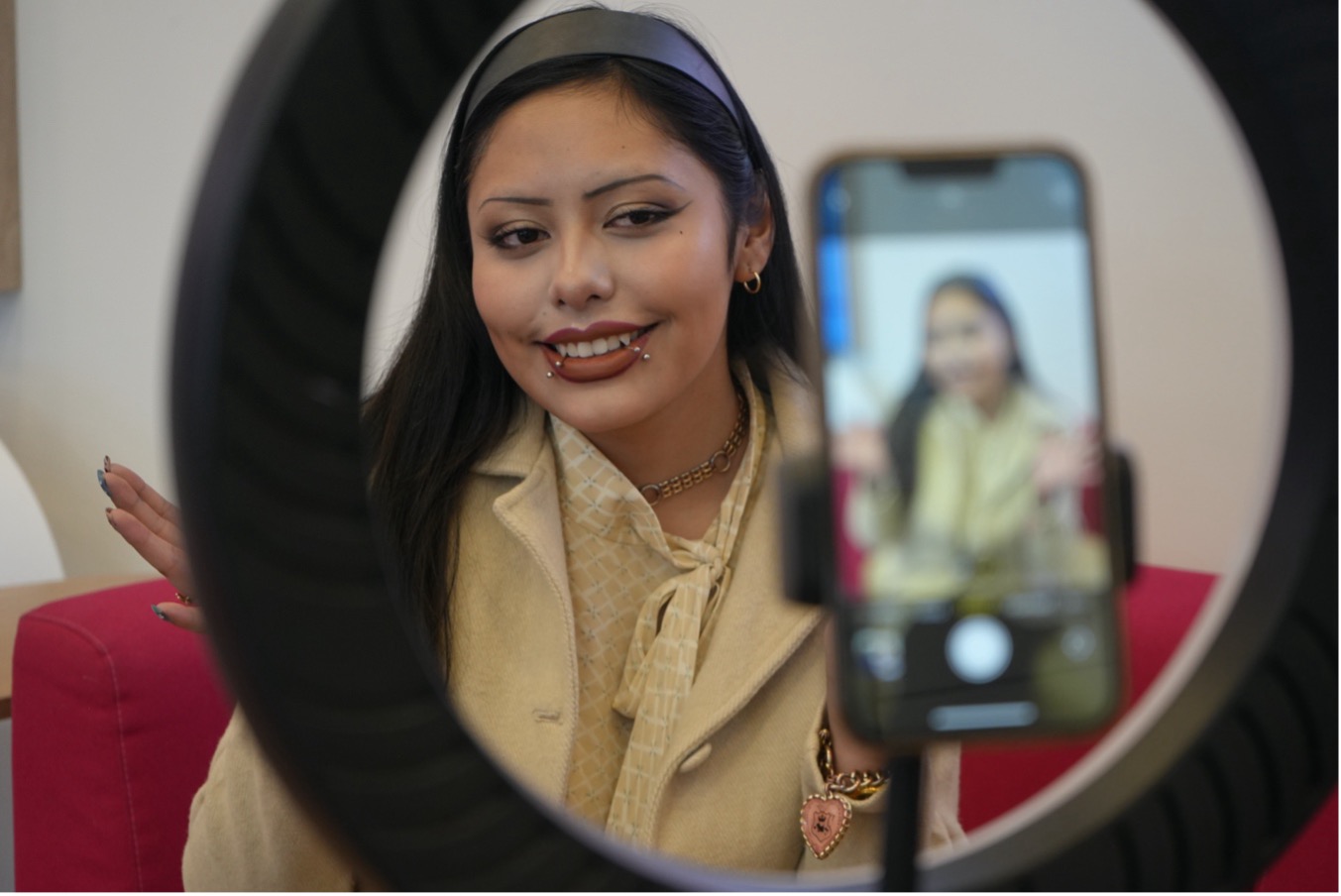
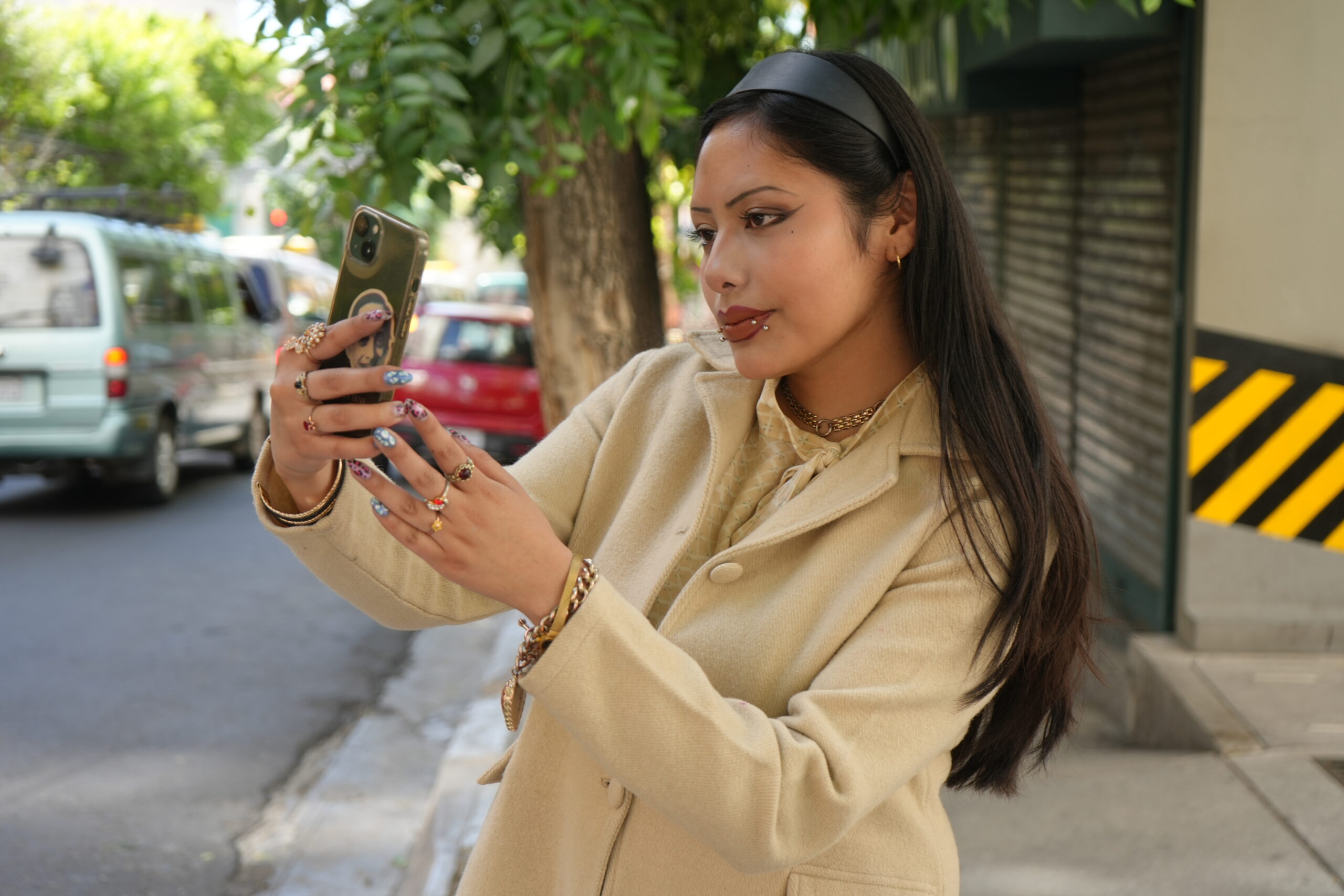
In a room full of stuffed animals and pastel colors, Elena Batuani, 20, holds her microphone in the shape of a duckling in front of her cell phone camera. From there, she shares messages that today reach other young people. Her voice was born from the Digital Leadership Program in Defense of Sexual and Reproductive Rights (DSDR), promoted by Ipas Bolivia.
With her direct and warm voice, she is ready to talk about issues that are still uncomfortable. From her account Alerta Lila, Elena spreads messages about bodily autonomy, consent, and Sexual and Reproductive Rights with a close and accessible language. “I tried to transform concepts that are usually complicated (such as medical language or laws) and make them more understandable, so that the information comes from someone closer to you, not from a professor or a doctor,” she explains.
“I tried to transform concepts that are usually complicated (such as medical language or laws) and make them more understandable, so that the information comes from someone closer, not from a professor or a doctor.”
The beginning of the DSDR commitment
Her interest in Sexual and Reproductive Rights began in her last year of high school, when two of her classmates became pregnant. “It was a shock, because you always think that these things won’t happen to you. They had just finished school, and then what awaited them? Without the support of their parents and with their wawa (baby),” Elena said.
That experience marked the beginning of his engagement with other young people. When she entered college, she heard about the Digital Leadership in Defense of DSDR Program and did not hesitate to apply. “I decided to join so that I could finally start taking action myself,” Elena recalls.
“I decided to join in order to, at last, start doing actions from my person.”
A program that shapes voices
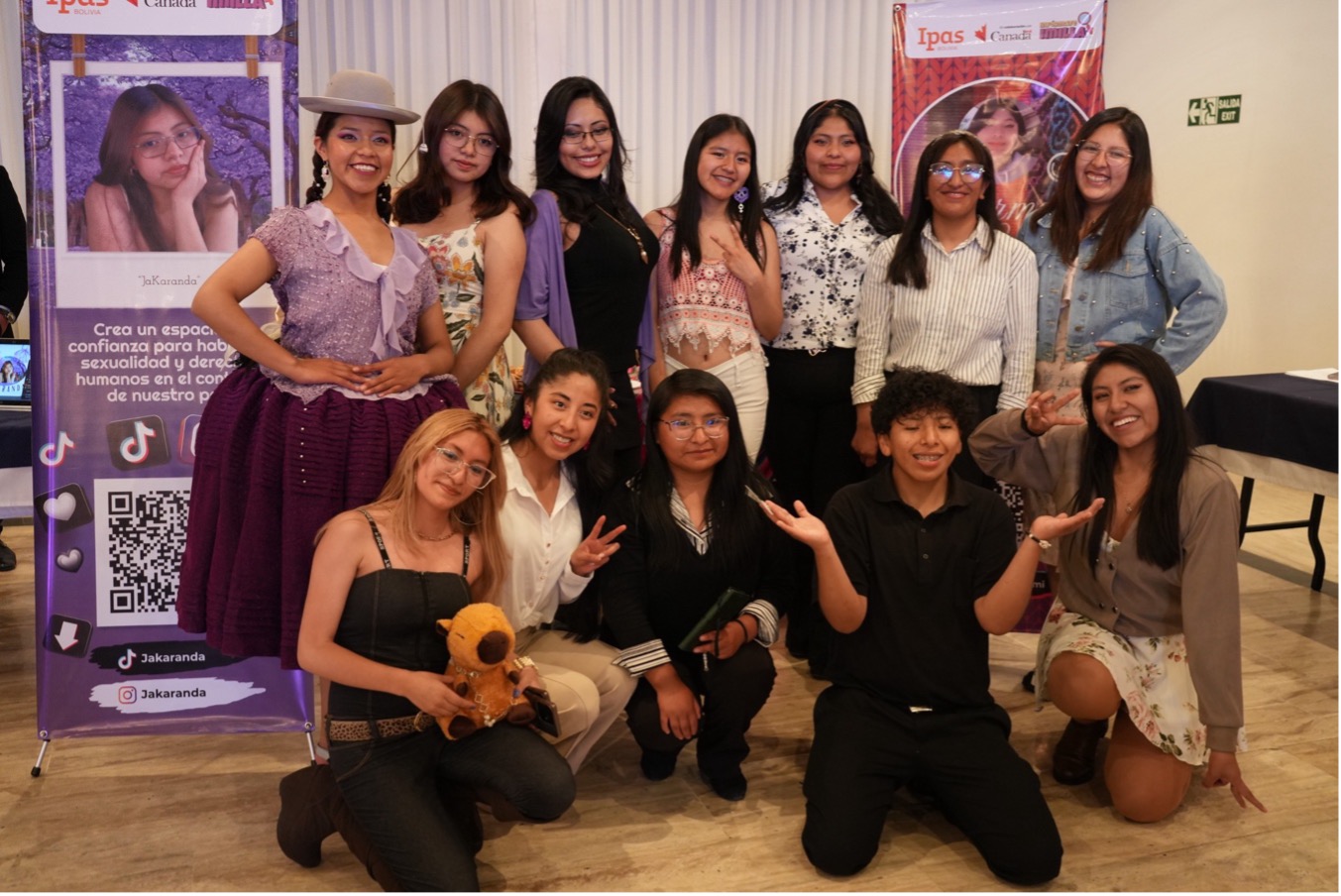
For seven and a half months, Elena and 12 young women from La Paz and El Alto participated in a training process that strengthened their knowledge in DSDR, comprehensive sexual education, prevention of sexual violence, bodily autonomy and legal termination of pregnancy (ILE). Throughout the process, they received personalized tutoring and tools for campaigns and creation of digital content with a focus on rights, as well as leadership, spokespersonship and creativity to transform communication into a tool for change.
The program was designed to strengthen youth leadership in digital environments, promoting the creation of content that challenges social norms, stigmas and myths about sexuality and DSDR, in addition to encouraging the circulation of reliable and accessible information.
Ipas Bolivia promoted this program with a clear objective: to train young voices capable of influencing the digital world and promote cultural change toward more egalitarian relationships, free of violence and discrimination. In a country where talking about sexuality is still a taboo subject, social networks became allies in transforming information into action.
Where a voice was born, a collective one blossomed
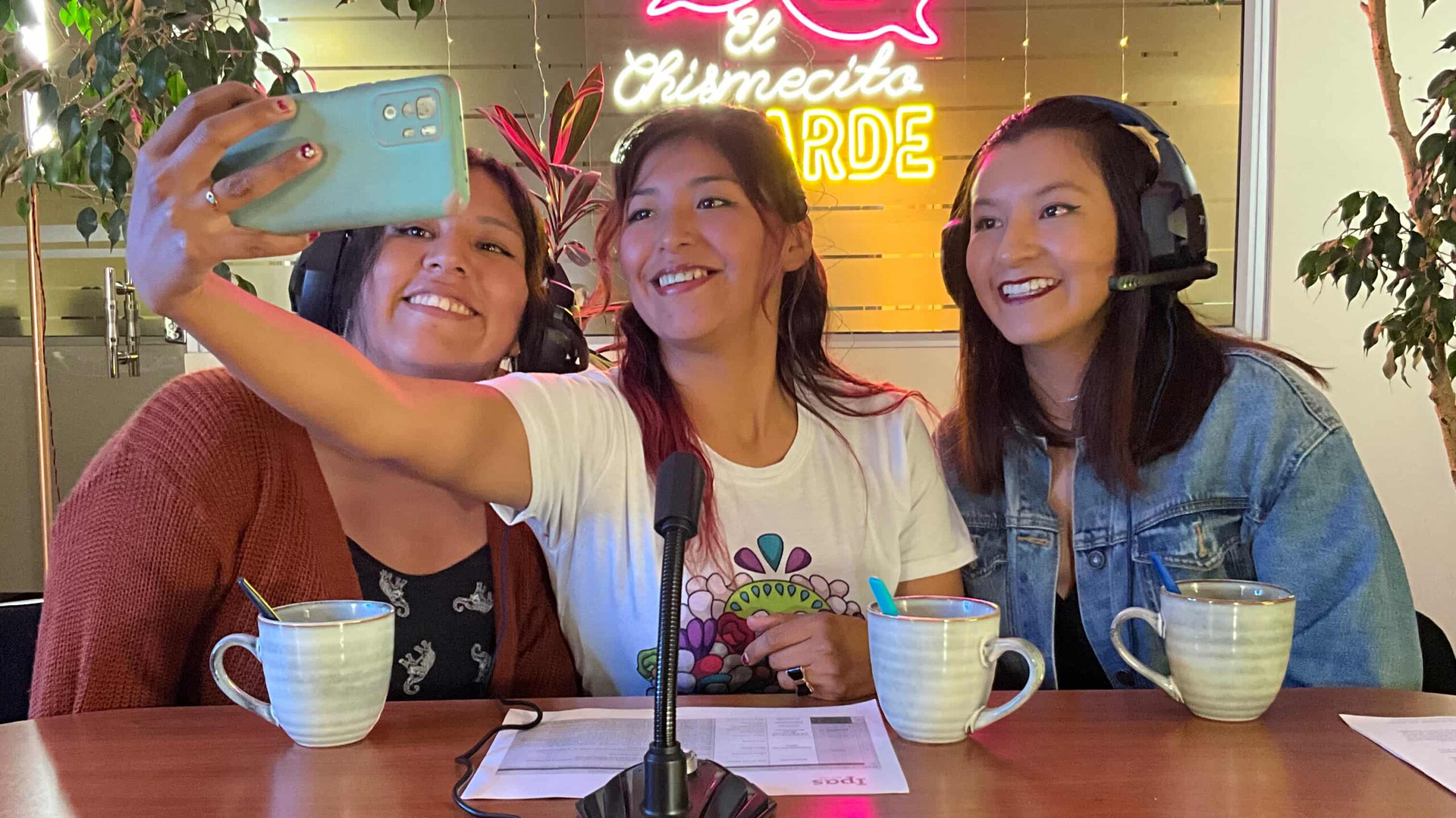
After the training process, Infórmate Imilla ( Aymara means “inform yourself, young lady”) was born, a collective of young digital activists who, since February 2025, have been producing content on DSDR. Composed of 13 young people, the collective decided, independently and self-managed, to continue the work started in the program, becoming a network that amplifies messages about rights, equality and prevention of violence.
“We realized that our individual accounts weren’t enough. We wanted to do something bigger.”…. “We wanted to reflect our roots, but also our resistance to the educational system that denies us comprehensive sex education.”
The name was not a coincidence. Imilla means “young girl” in Aymara, and for them it represents identity and rebellion. “We wanted to reflect our roots, but also our resistance to the education system that denies us comprehensive sex education,” she explains.
Within the collective, Elena is part of the coordination team, but she explains that it is a horizontal leadership. “No one is above anyone else,” she says. The impact of this collective is tangible: its social media accounts have reached over one million people, demonstrating that peer-to-peer work has a power of connection and trust that transcends institutional reach.
From Ipas Bolivia, this achievement reflects the importance of generating accompaniment processes and then creatively releasing young people, so that they are the ones who drive change from their own languages, contexts and experiences.
From TikTok to reality
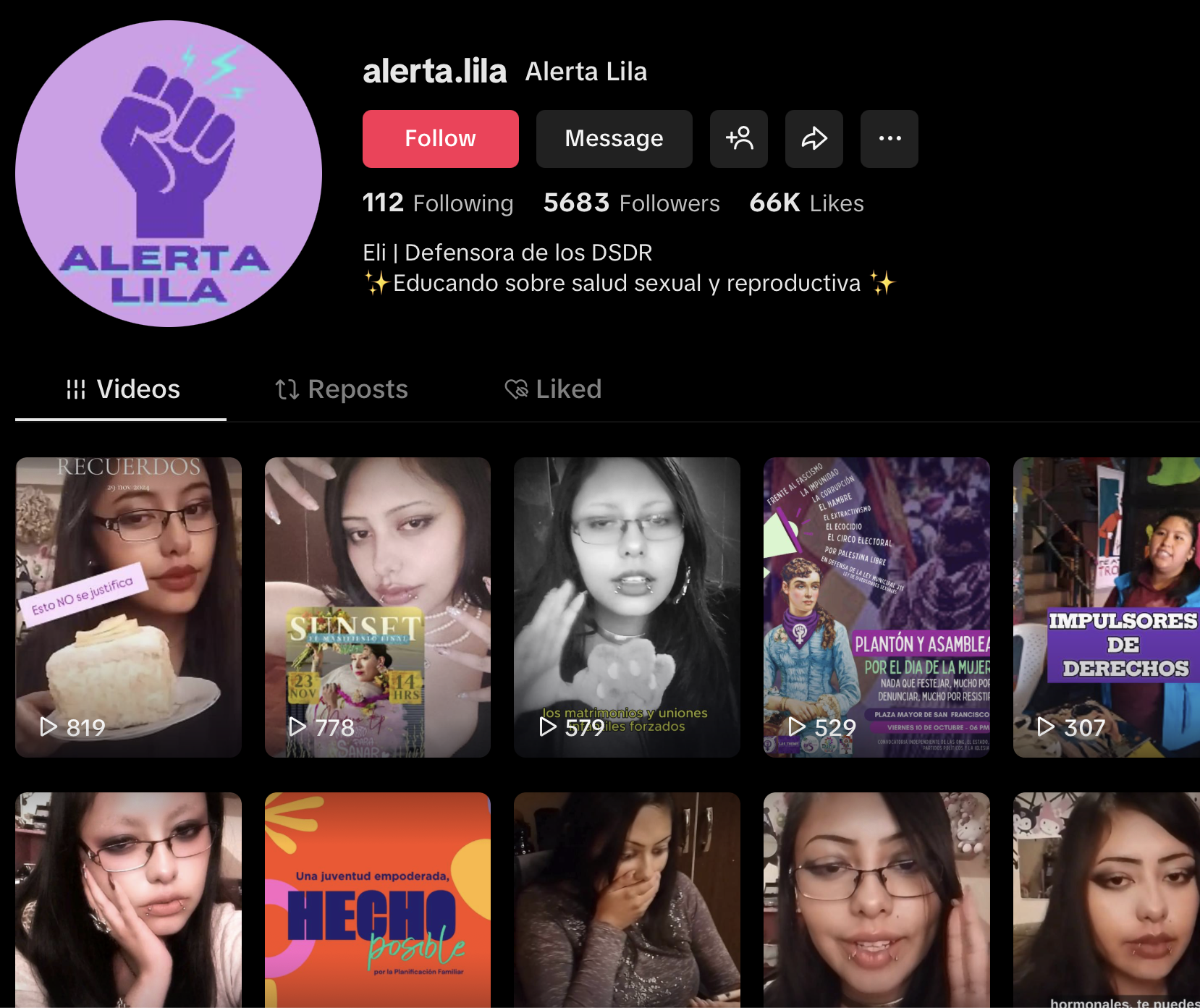
Through her Alerta Lila account, Elena has managed to build a solid and committed community. She currently has 5,700 followers on TikTok, 65,000 reactions and its videos have reached more than 500,000 people. Its content, aimed at adolescents and young people, shows that talking about bodily autonomy, consent and DSDR from a close language does connect, does inform and accompanies. This reach demonstrates the value of her voice and the importance of providing more young people with tools to communicate with a rights-based approach.
“I once made a video about a clothing exhibit of women survivors of abuse. It went viral. And then messages started coming in. Some very painful ones. One said, ‘My clothes are missing.’ Another was from a seven-year-old girl who sent me an audio message saying that her father had abused her,” she recalls with emotion.
That moment demonstrated the power and responsibility of digital activism. Thanks to the training and accompaniment provided by Ipas Bolivia, Elena knew how to act: she directed victims to free psychological care spaces, such as El Diario de Lili, and referred a case to Ipas Bolivia’s network of pro-bono (free) lawyers who provide legal advice in situations of violence.
“One of our goals is to be better known and to be able to transmit information in such a way that people who see us feel accompanied and are not afraid to ask questions and go to their health center, ask for contraceptive methods, demand what is fair and ours: what is not a favor,” expresses Elena.
“I once made a video about a clothing exhibit of women survivors of abuse. It went viral. And then messages started coming in. Some very painful ones. One said, ‘My clothes are missing.’ Another was from a seven-year-old girl who sent me an audio saying that her dad had abused her.”
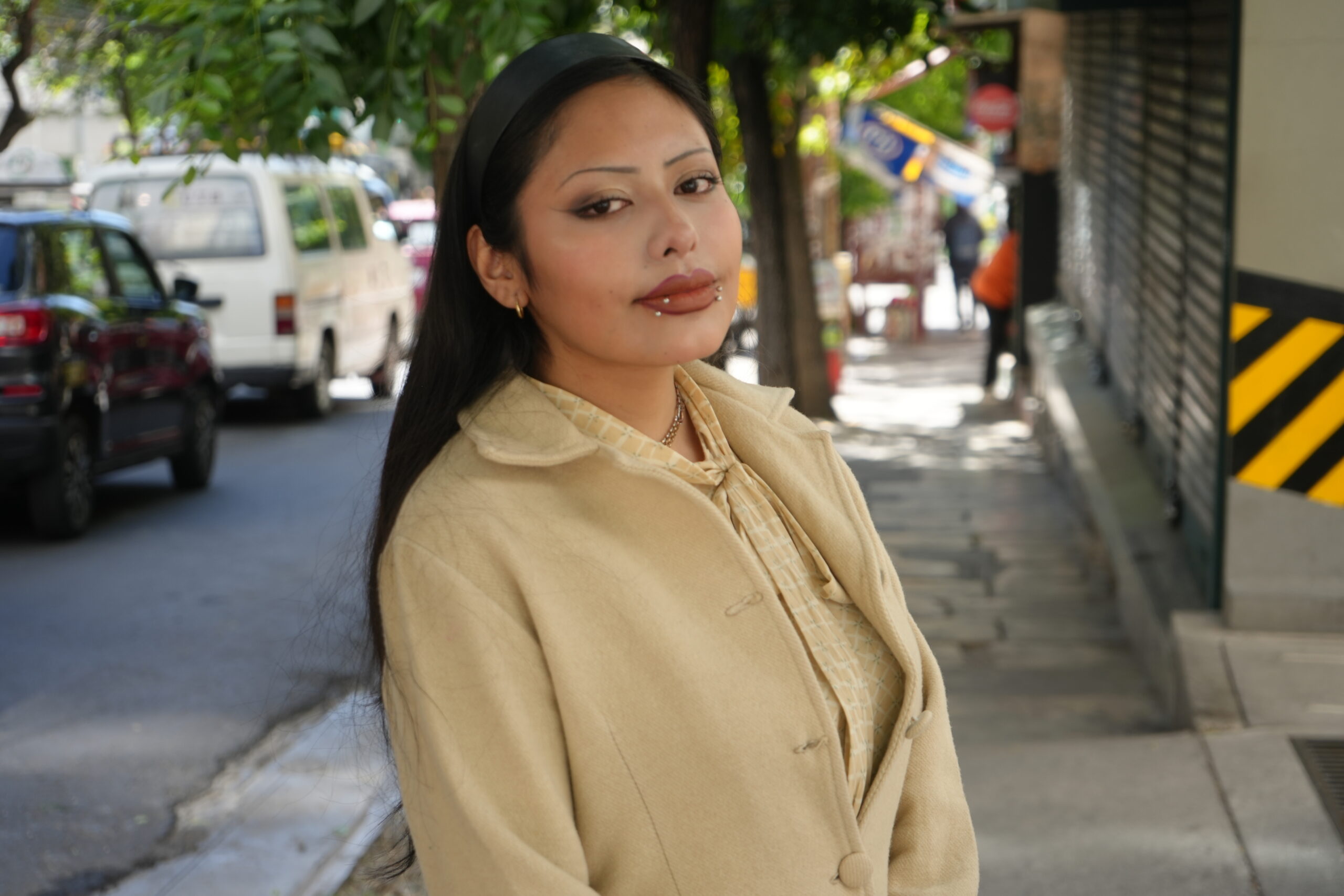
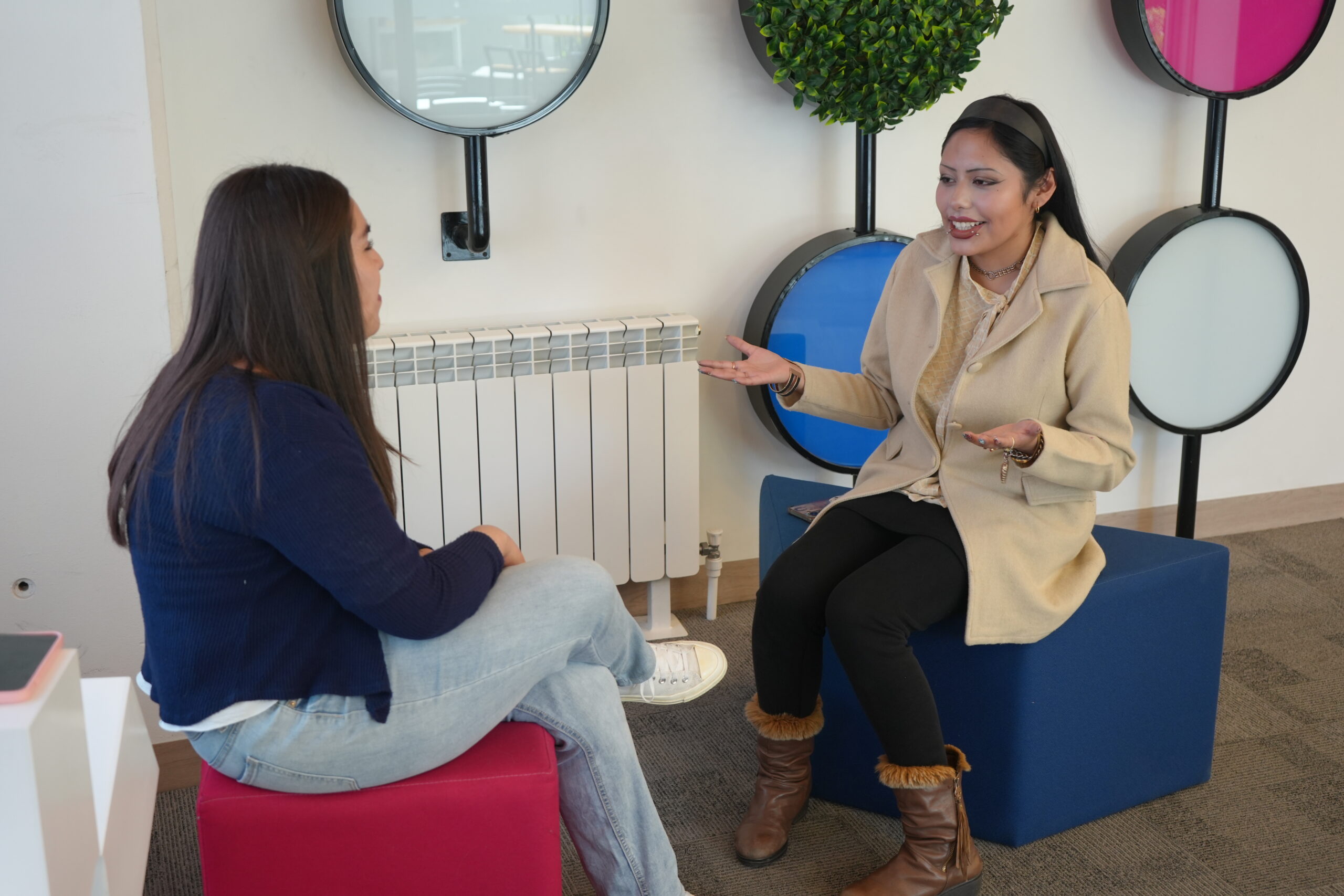
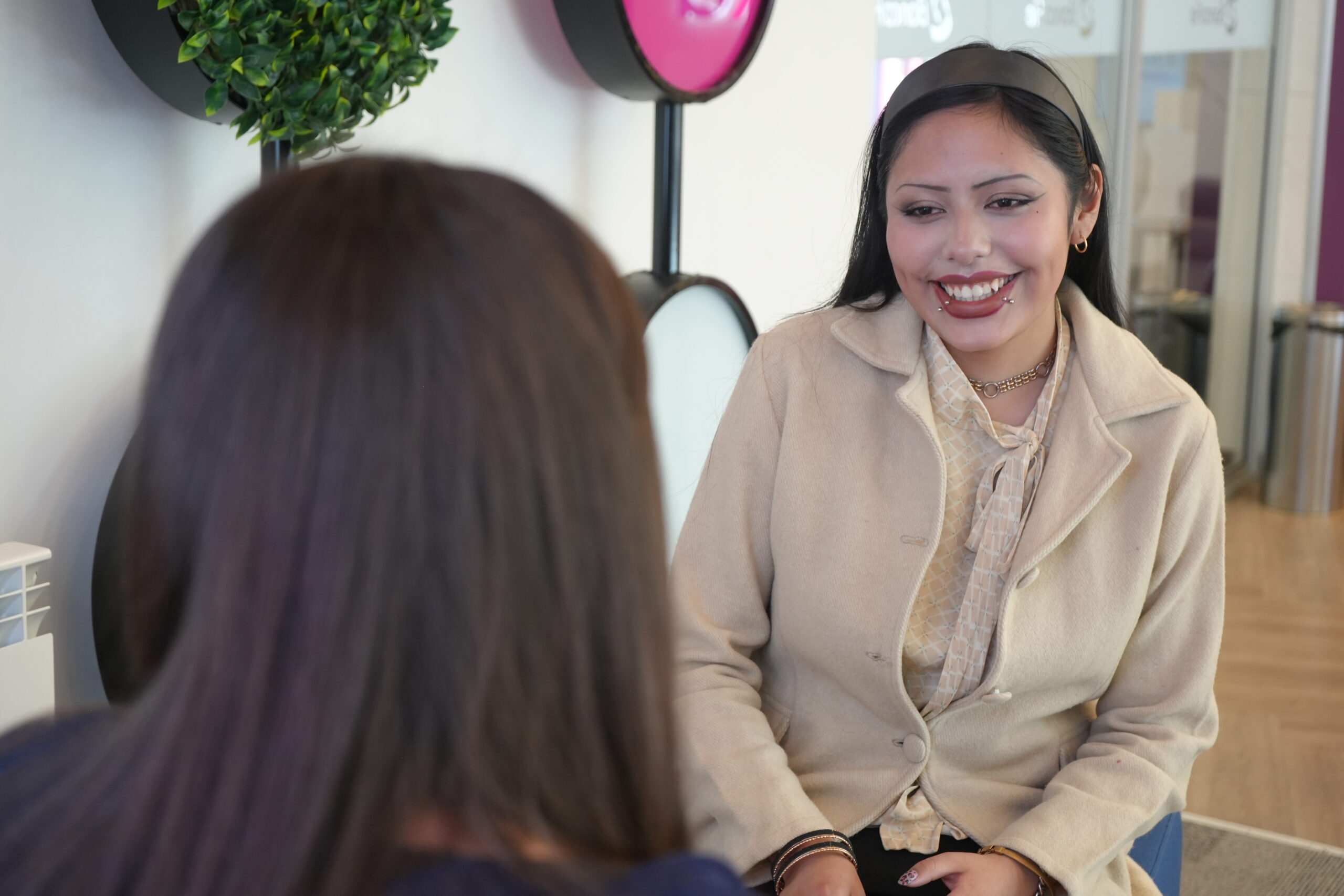
Elena’s story shows that strategic communication, when combined with training, accompaniment and social engagement, can generate real change. Her experience is part of a larger impact: the Digital Leadership Program in Defense of DSDR has consolidated 13 youth projects that, together, have reached more than one million people, more than 8,000 followers and more than 90,000 reactions. From Ipas Bolivia, this experience shows that social networks can be a space to question stigma, promote reliable information and open paths towards prevention and care of sexual violence.