

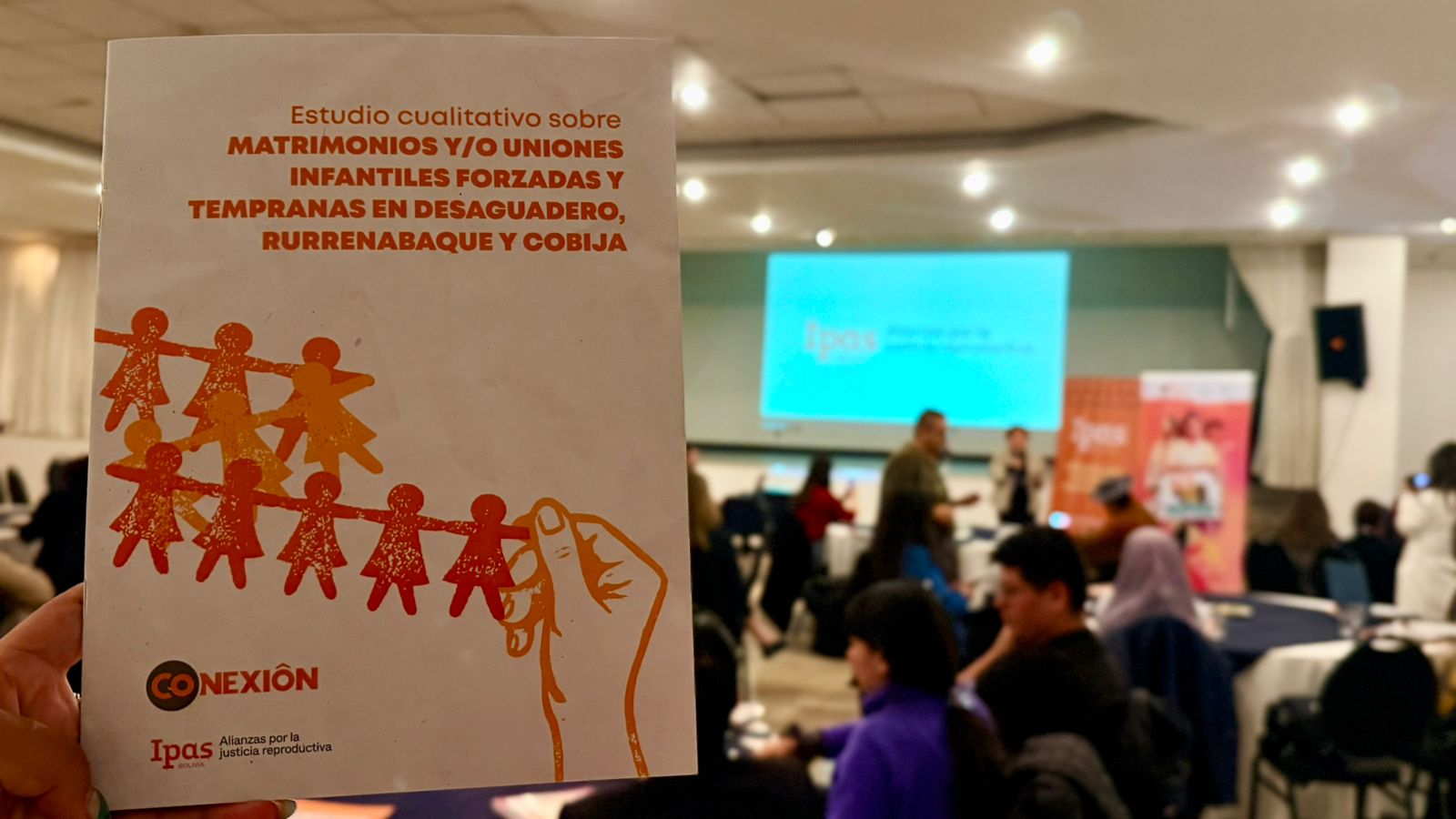
On Thursday, March 12, Conexión presented two studies aimed at highlighting issues affecting the rights of children and adolescents in Bolivia. One of the studies, prepared with technical support from Ipas Bolivia, is titled “Marriages and Early and Forced Infant Unions (MUITF) in Desaguadero, Rurrenabaque and Cobija.
The qualitative study on MUITF provides evidence on the social, cultural and institutional factors that influence the persistence of this practice. The second study entitled “Sexual exploitation of children and adolescents in the context of Venezuelan migration in Bolivia”, prepared with the technical support of the Munasim Kullakita Foundation, provides elements to reflect on other forms of violence and exploitation that affect especially vulnerable populations.
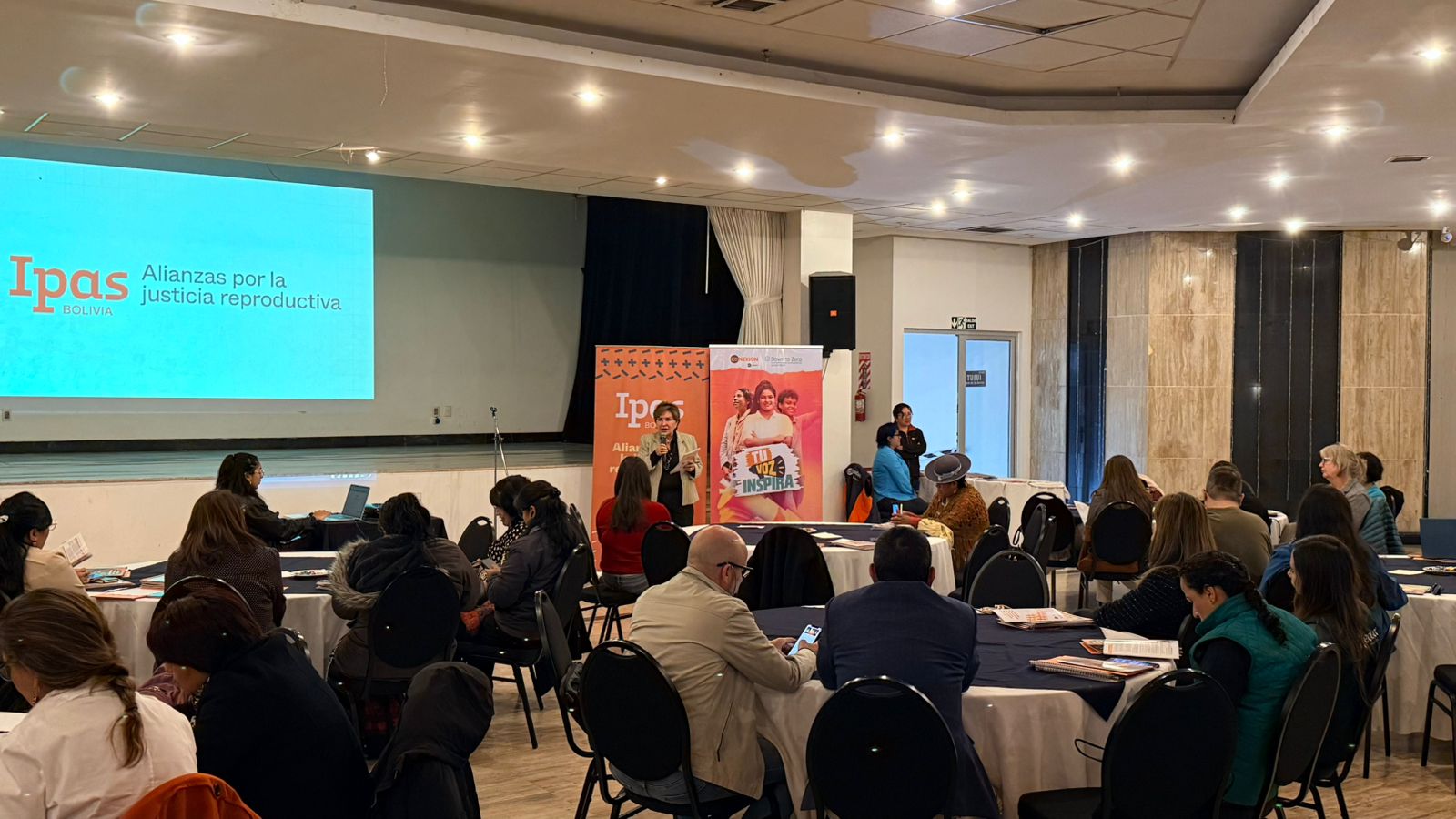
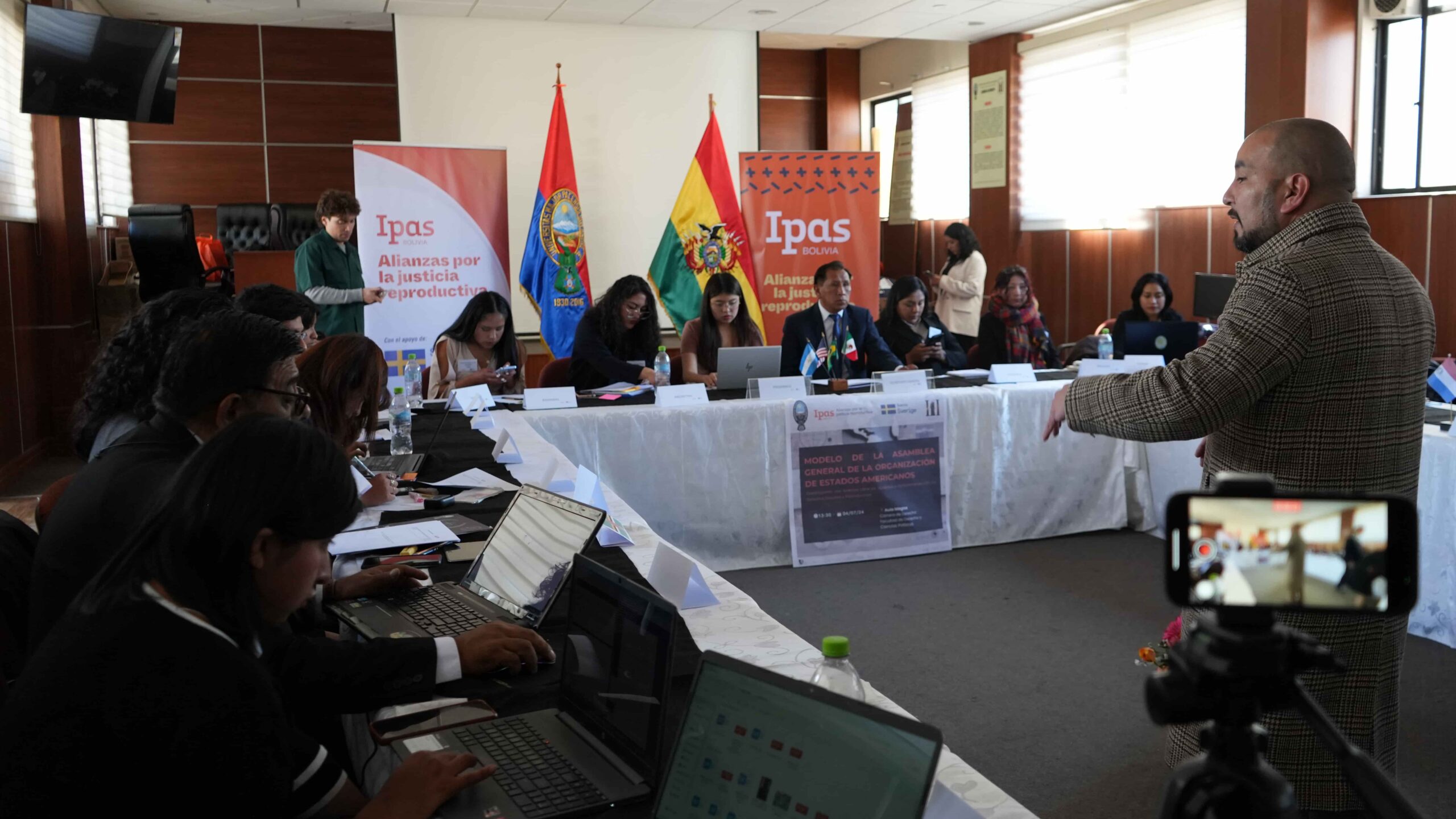
The event was attended by Grecia Tardío, responsible for training in depatriarchalization and decolonization of the Vice-Ministry of Equal Opportunities, as well as representatives of civil society organizations and partner institutions working in the prevention of different forms of violence against girls and adolescents.
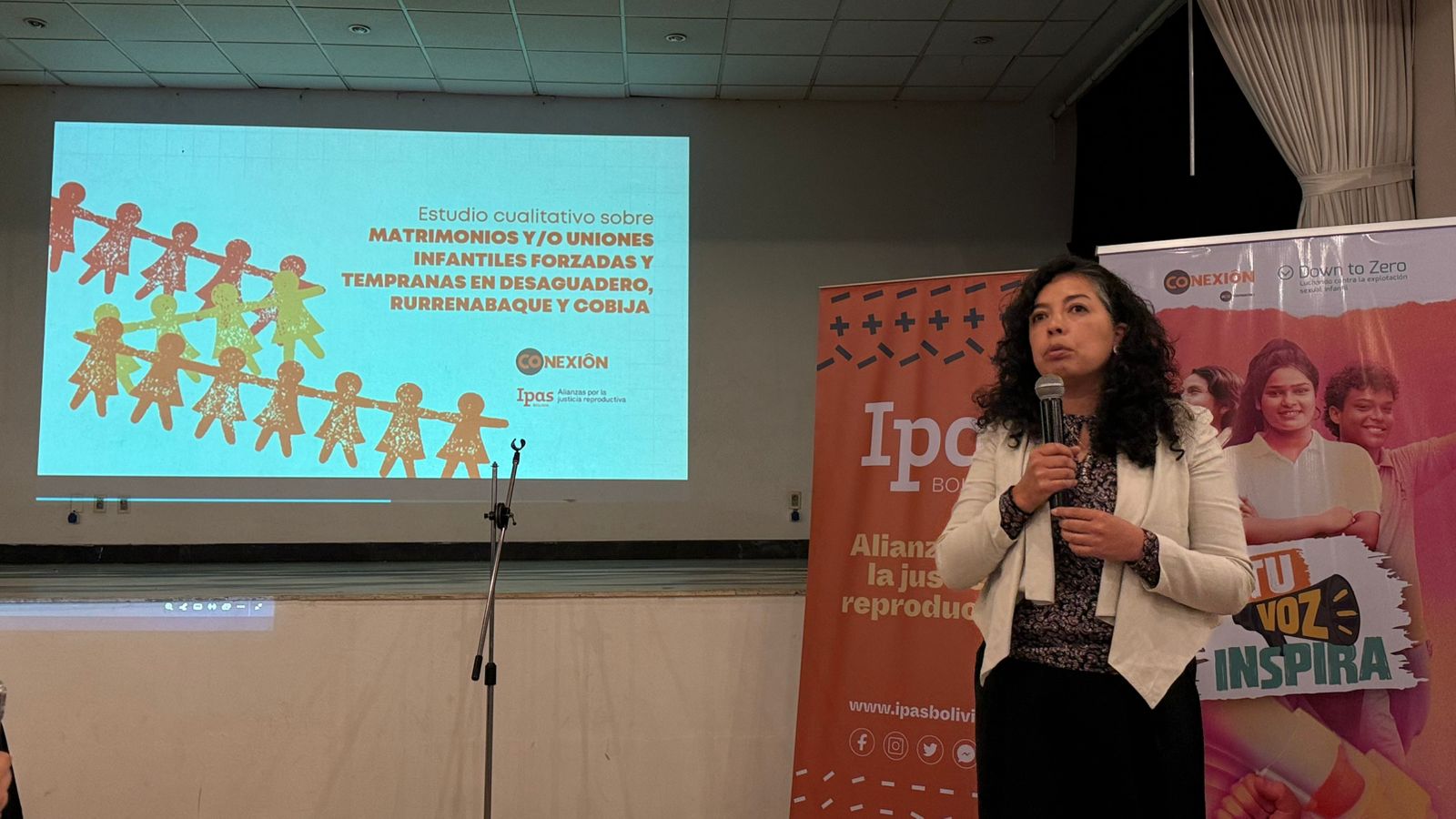
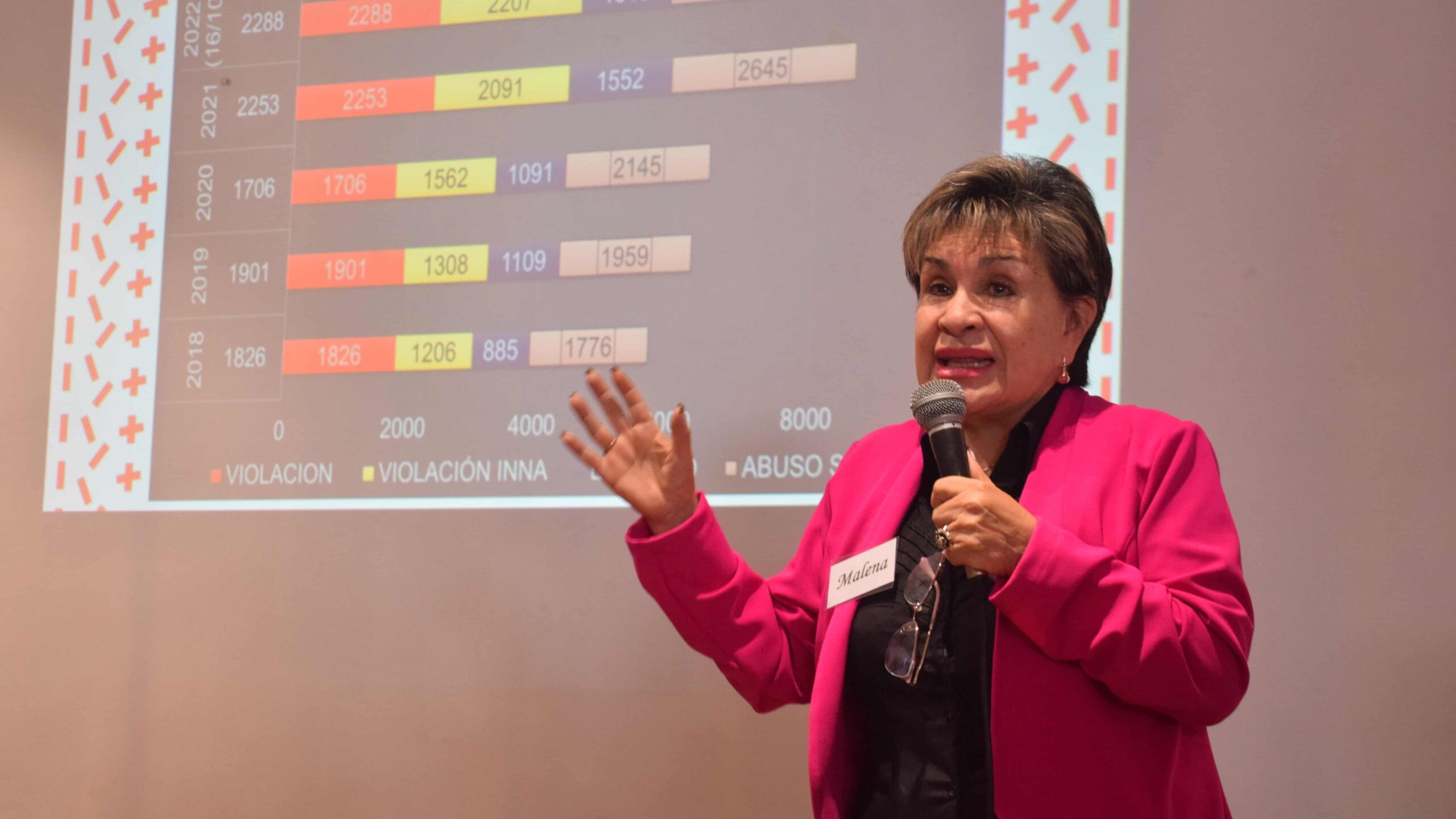
During her presentation, Dr. Malena Morales, country director of Ipas Bolivia, highlighted the importance of generating evidence to understand the magnitude of this problem and guide institutional responses. “This qualitative research shows us, with data and evidence, that this is a social justice and public health issue,” she said.

Image: Dr. Malena Morales, director of Ipas Bolivia, speaking at the event.
Among its main recommendations, the research on MUITF proposes the need for a comprehensive approach that includes the dismantling of prejudices in the justice system, the transformation of cultural and gender norms, and the strengthening of the autonomy and life projects of girls and adolescents.
The study also questions beliefs that link menarche (first menstruation) with a supposed sexual maturity or preparation for motherhood, and proposes strengthening work on masculinities, reinforcing protection services (DNA/SLIM) and promoting safe environments.
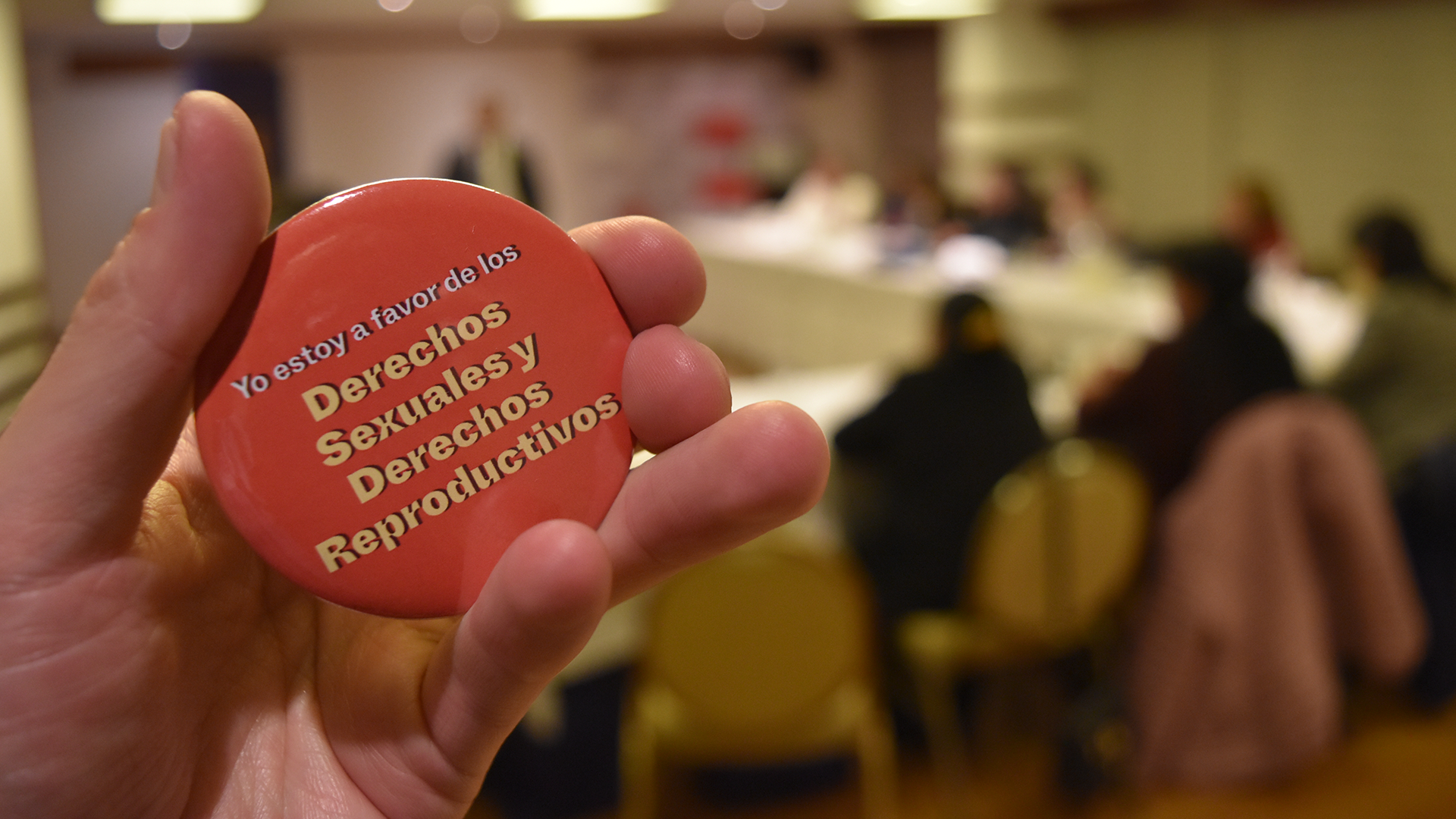
The presentation provided a space for reflection and exchange among organizations and institutions committed to the defense of sexual and reproductive rights. In this framework, Ipas Bolivia reaffirmed the importance of strengthening strategic alliances with organizations such as Conexión to generate evidence and promote actions aimed at preventing child, early and forced marriages and unions.