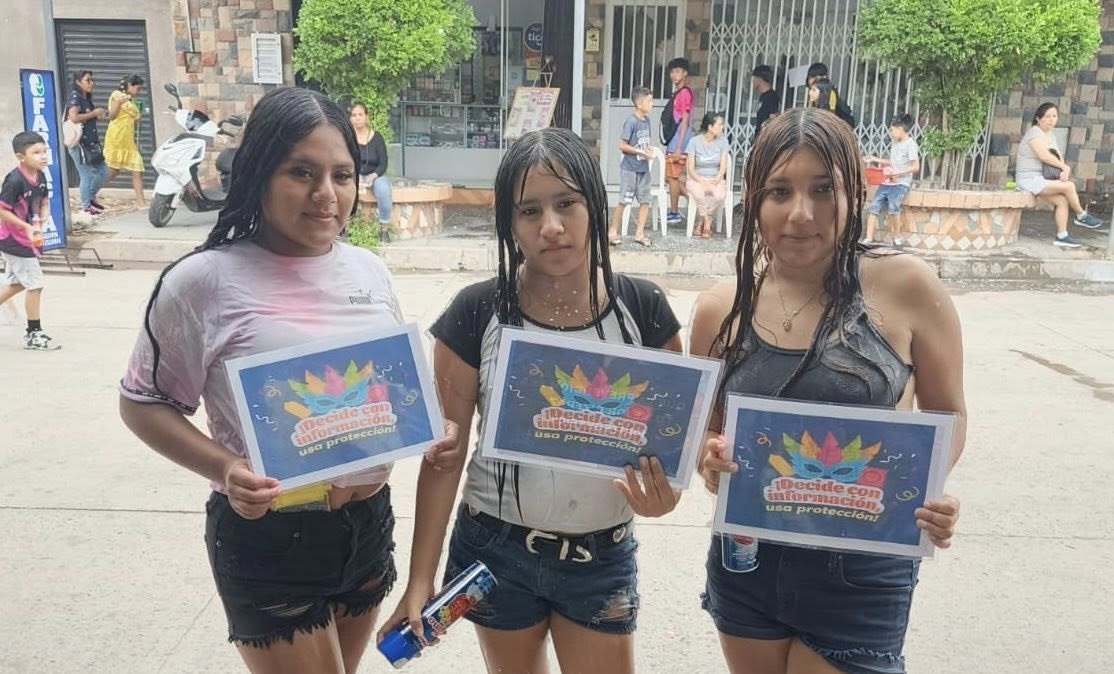

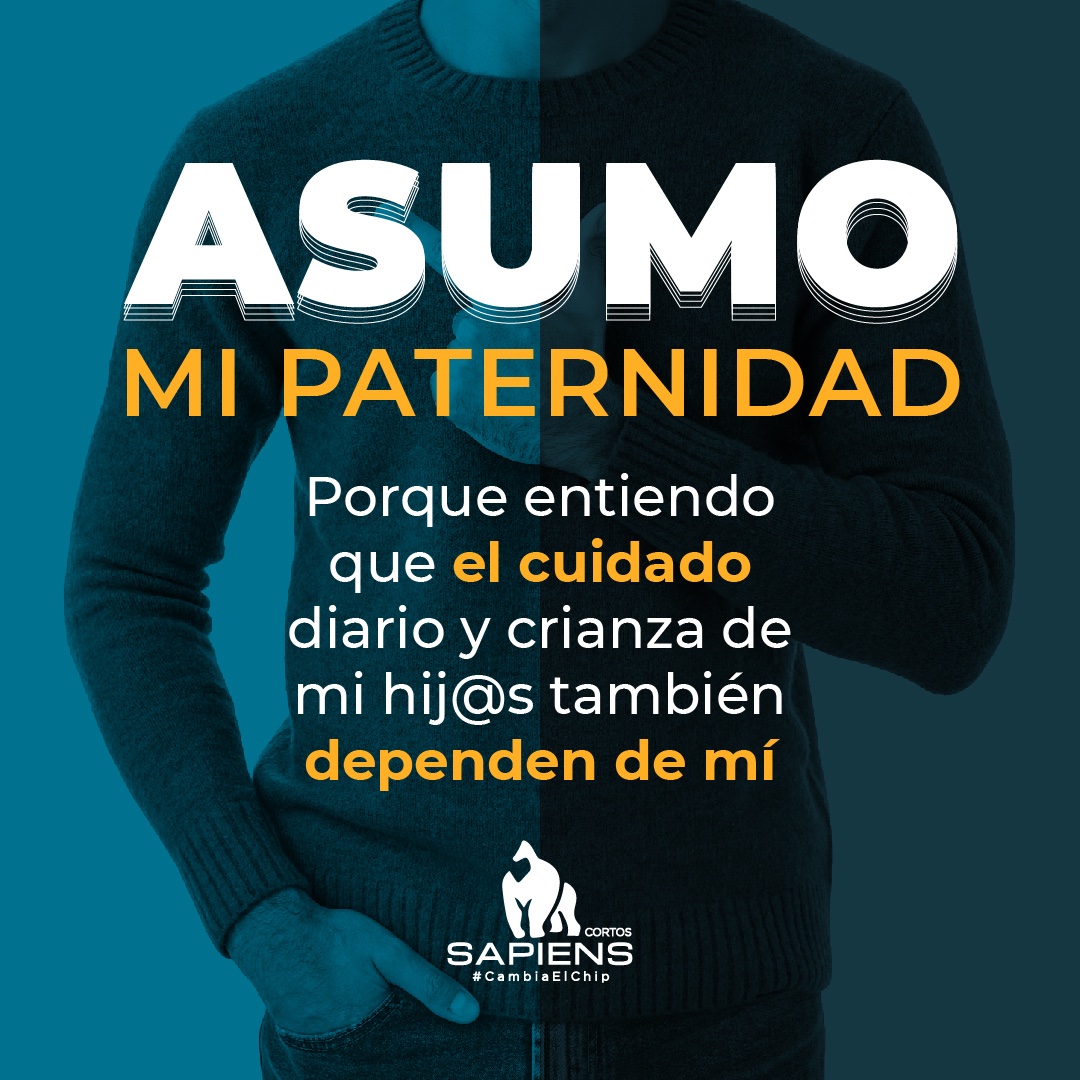


In February 2026, Ipas Bolivia oriented and provided information to 9,615 people in Bolivia to prevent unplanned pregnancies and sexually transmitted infections (STIs) through volunteer community brigades and youth leaders, condom distribution and actions in public spaces during Carnival, as part of the “Decide with information, use protection!” campaign, with the support of the Canadian Embassy.
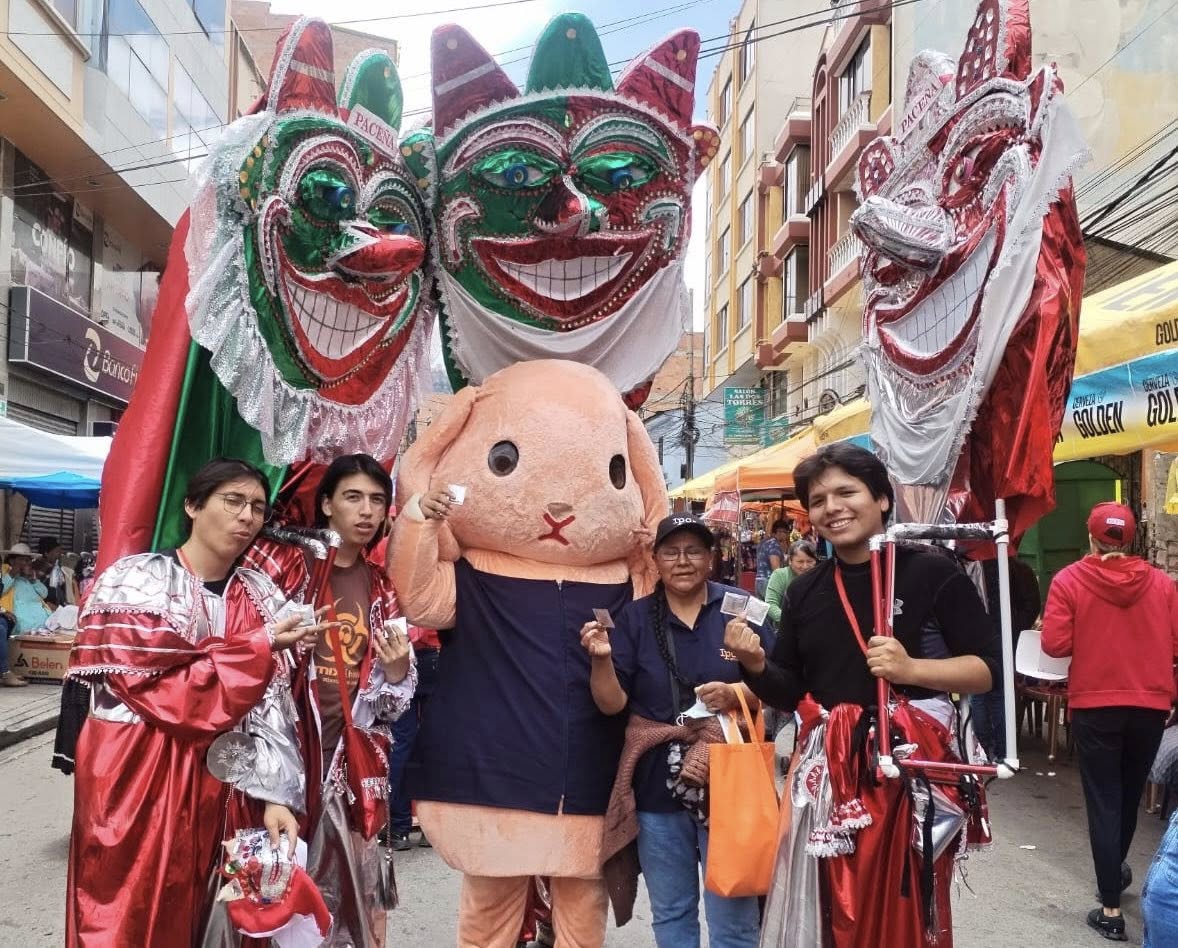
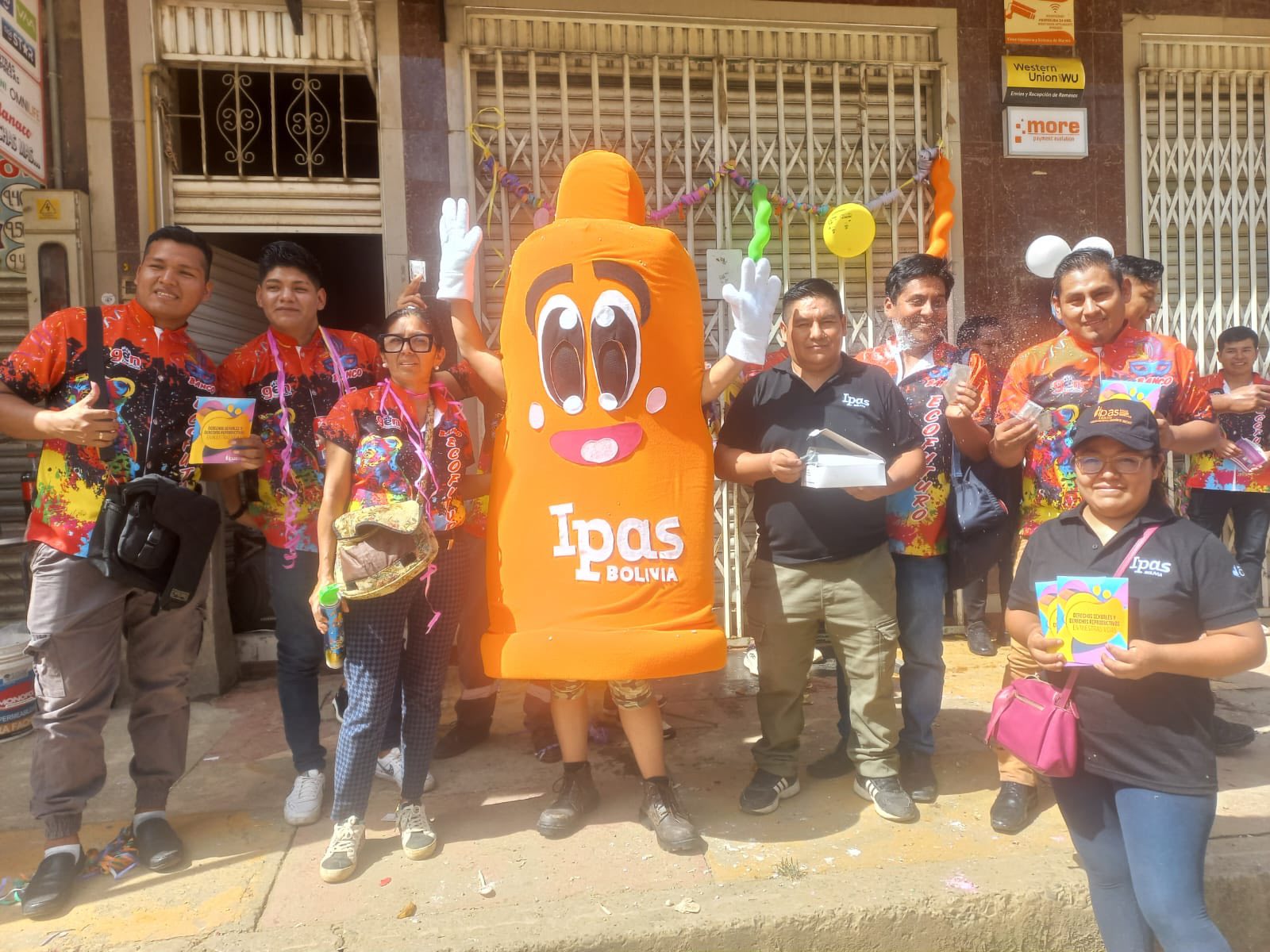
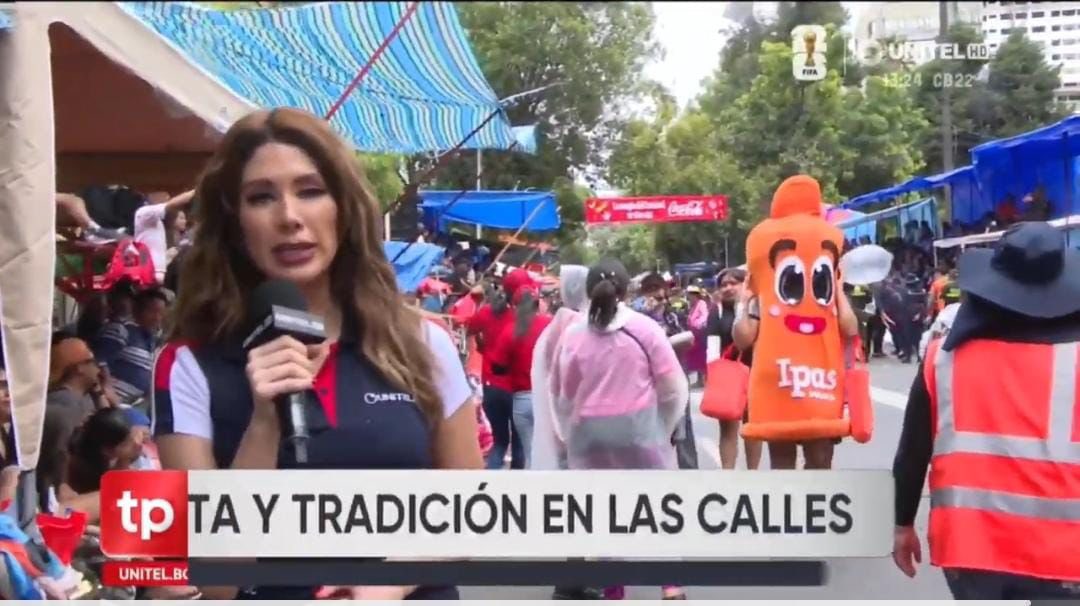
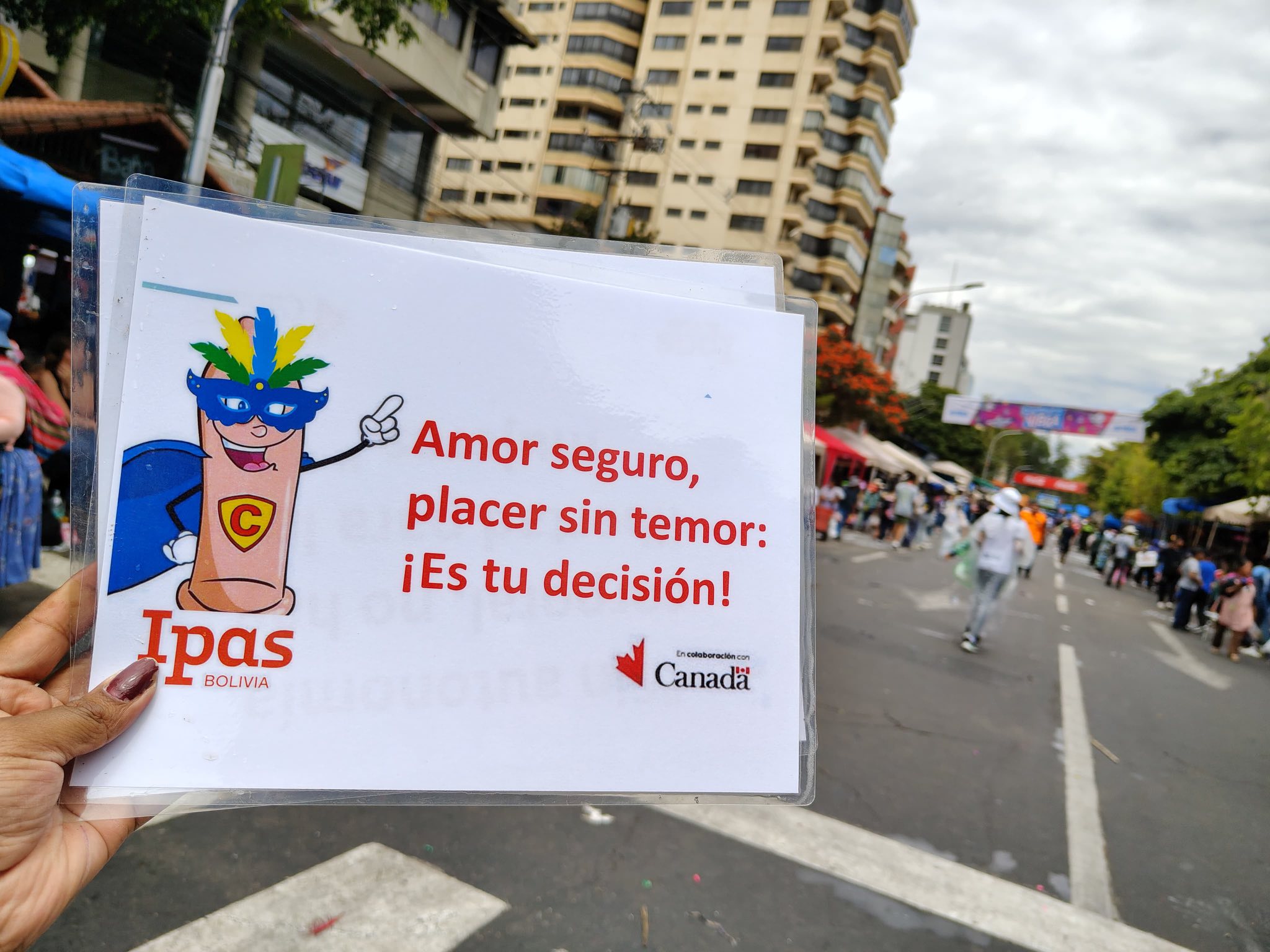
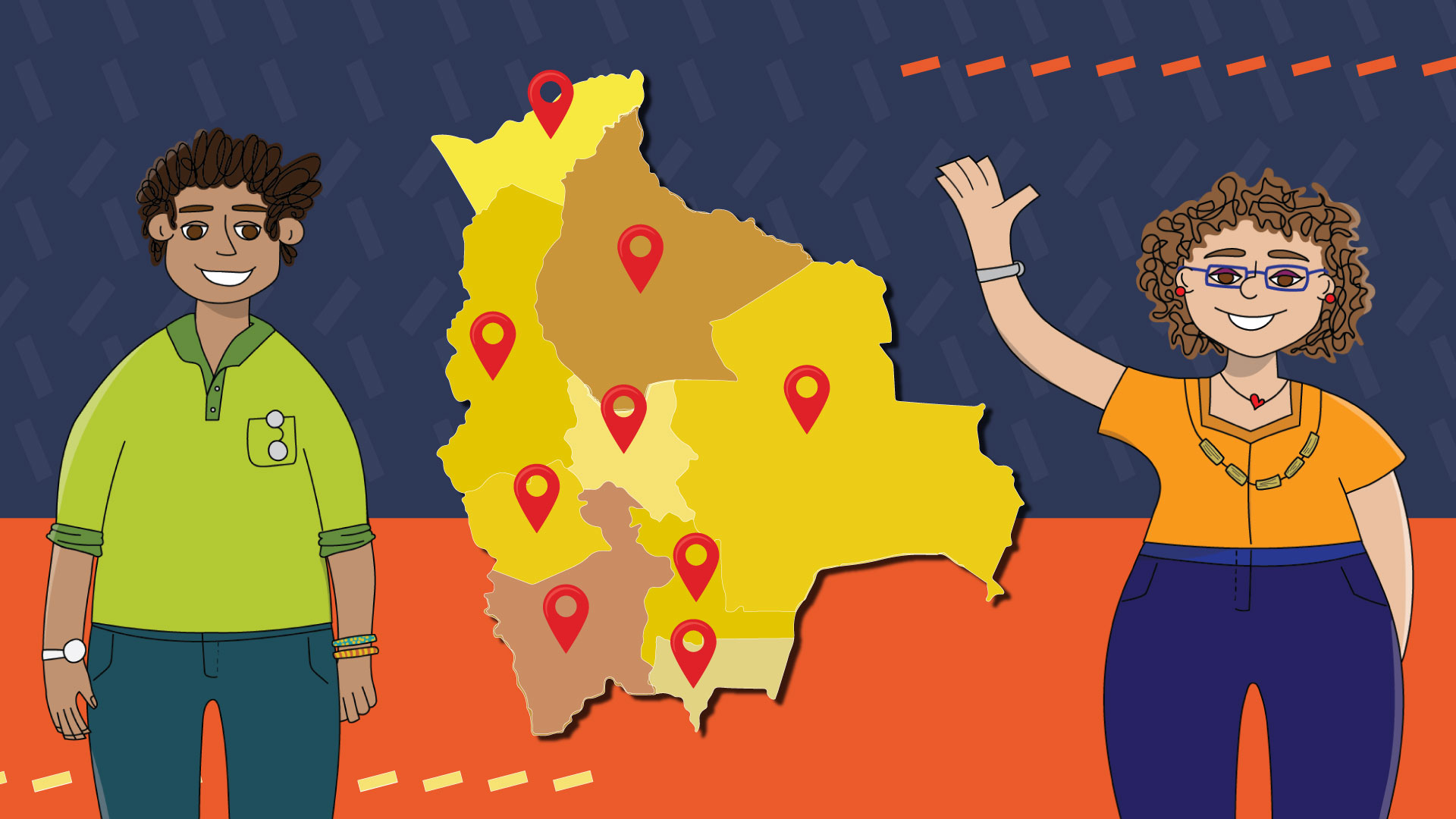
The activities were developed between February 5 and 22, 2026 in the departments of La Paz, Santa Cruz, Tarija, Chuquisaca, Oruro, Cochabamba and Potosi, prioritizing massive events of the carnival calendar. The actions were strategically implemented during Carnival, one of the most massive cultural celebrations in Bolivia, taking advantage of its high attendance as a key space to promote prevention and care messages.
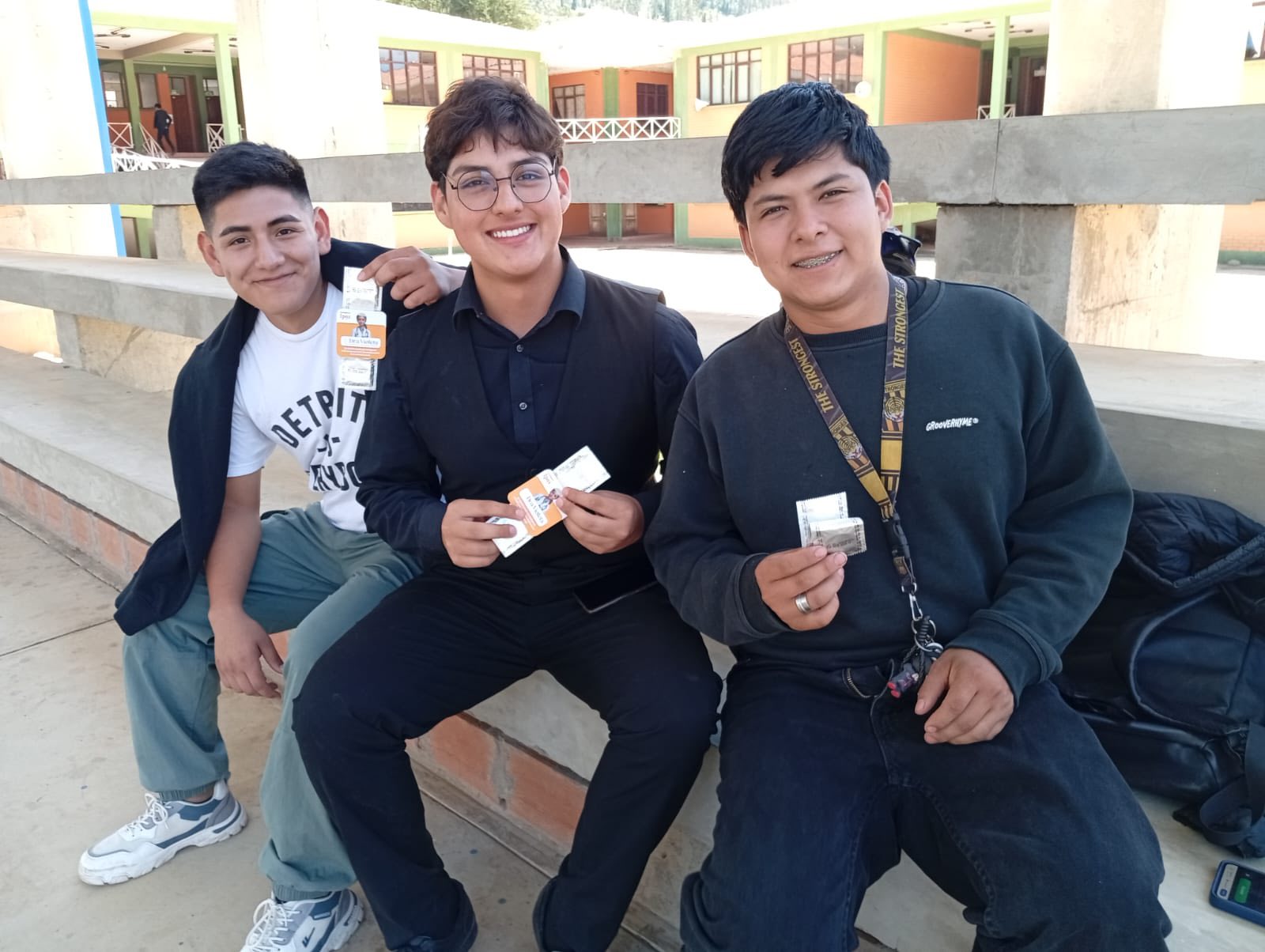
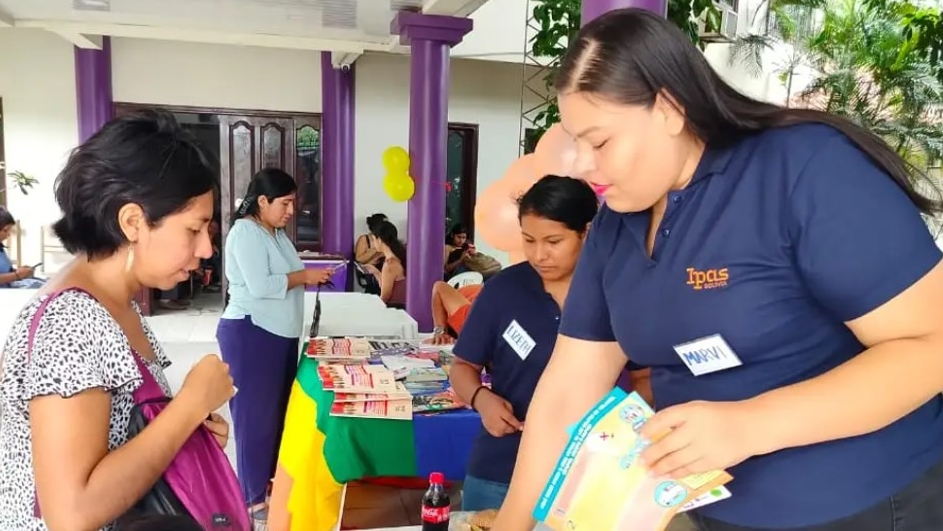
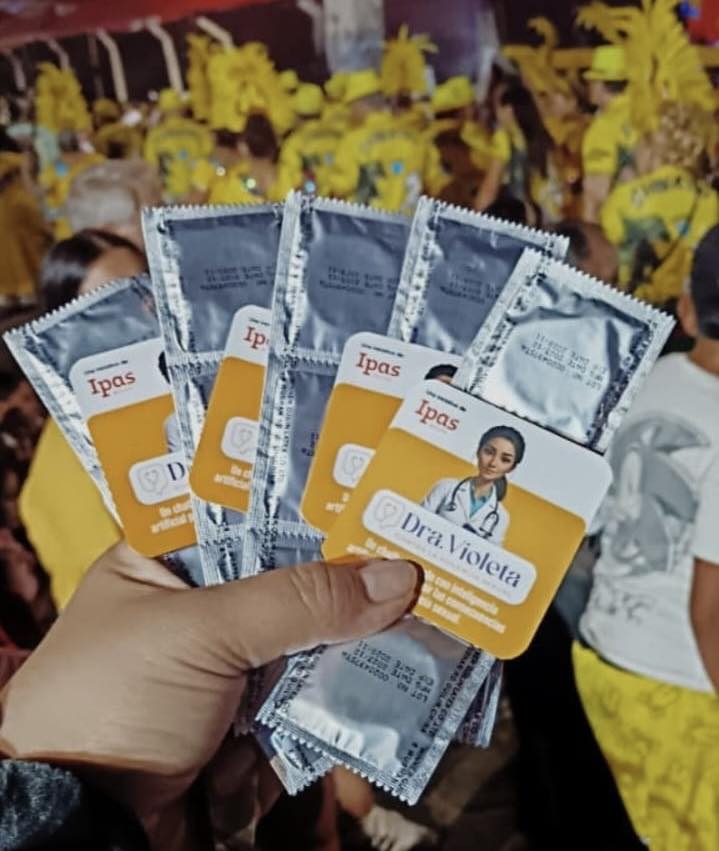
As part of the campaign, Ipas Bolivia prioritized direct prevention actions and community counseling as a central focus of its intervention. During the days before, during and after the Carnival, the institution distributed free condoms, provided personalized guidance on modern contraceptive methods and shared key information for the prevention of STIs, prevention of unplanned pregnancies, promoting informed decisions from a Sexual and Reproductive Rights (SRHR) and responsible masculinities approach.
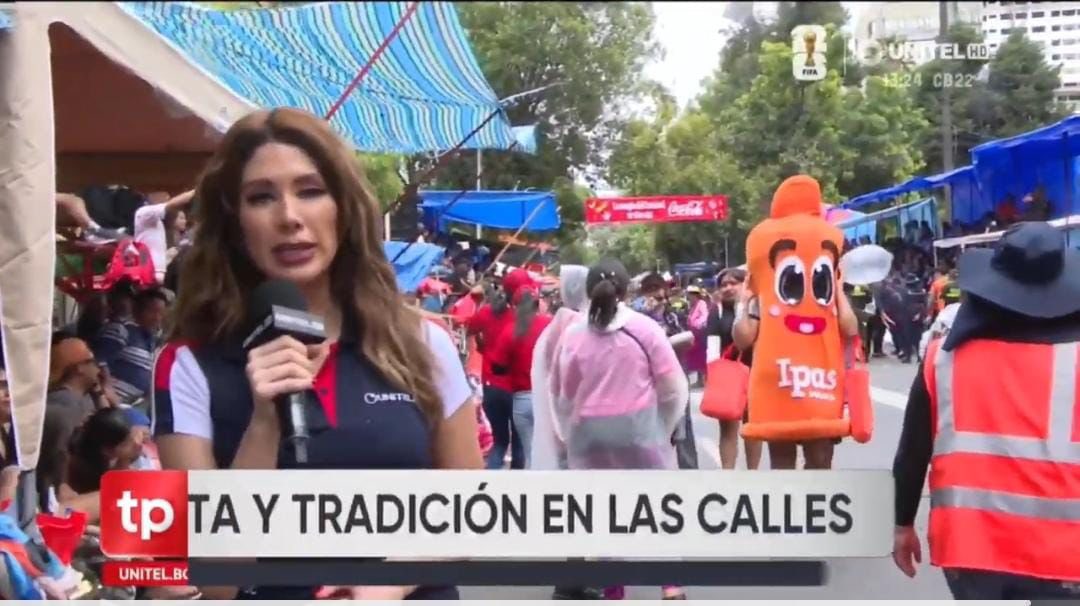
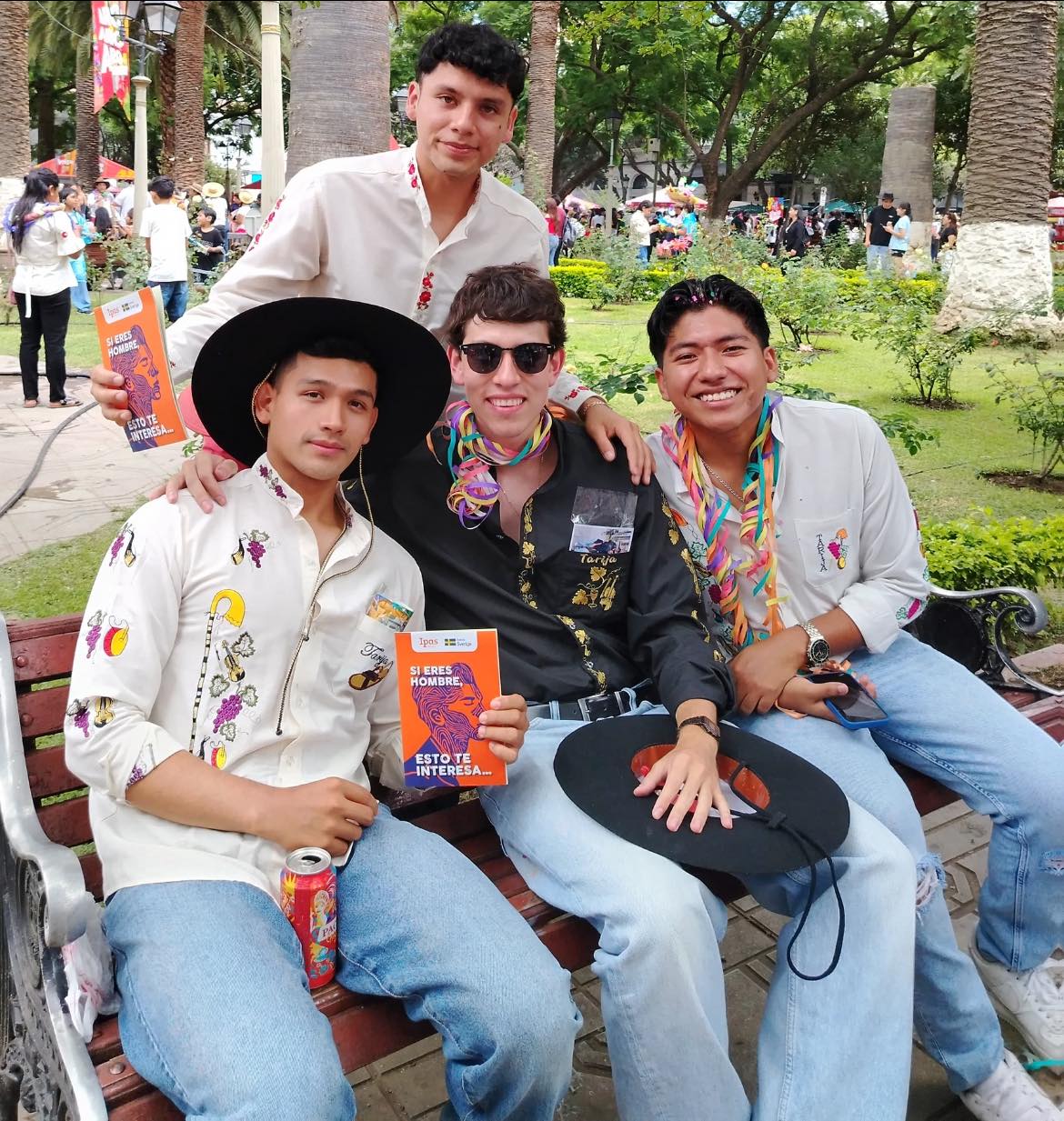
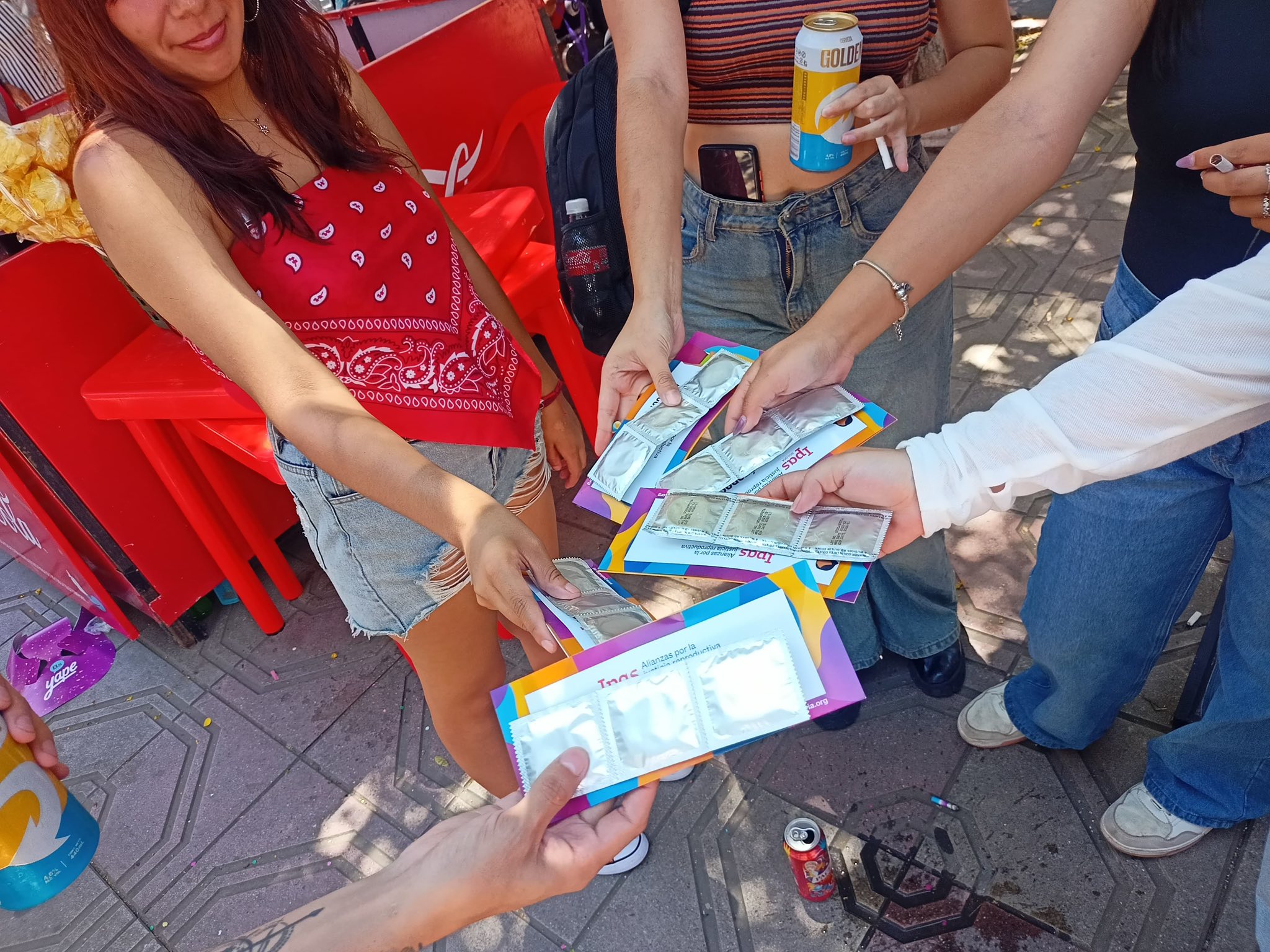

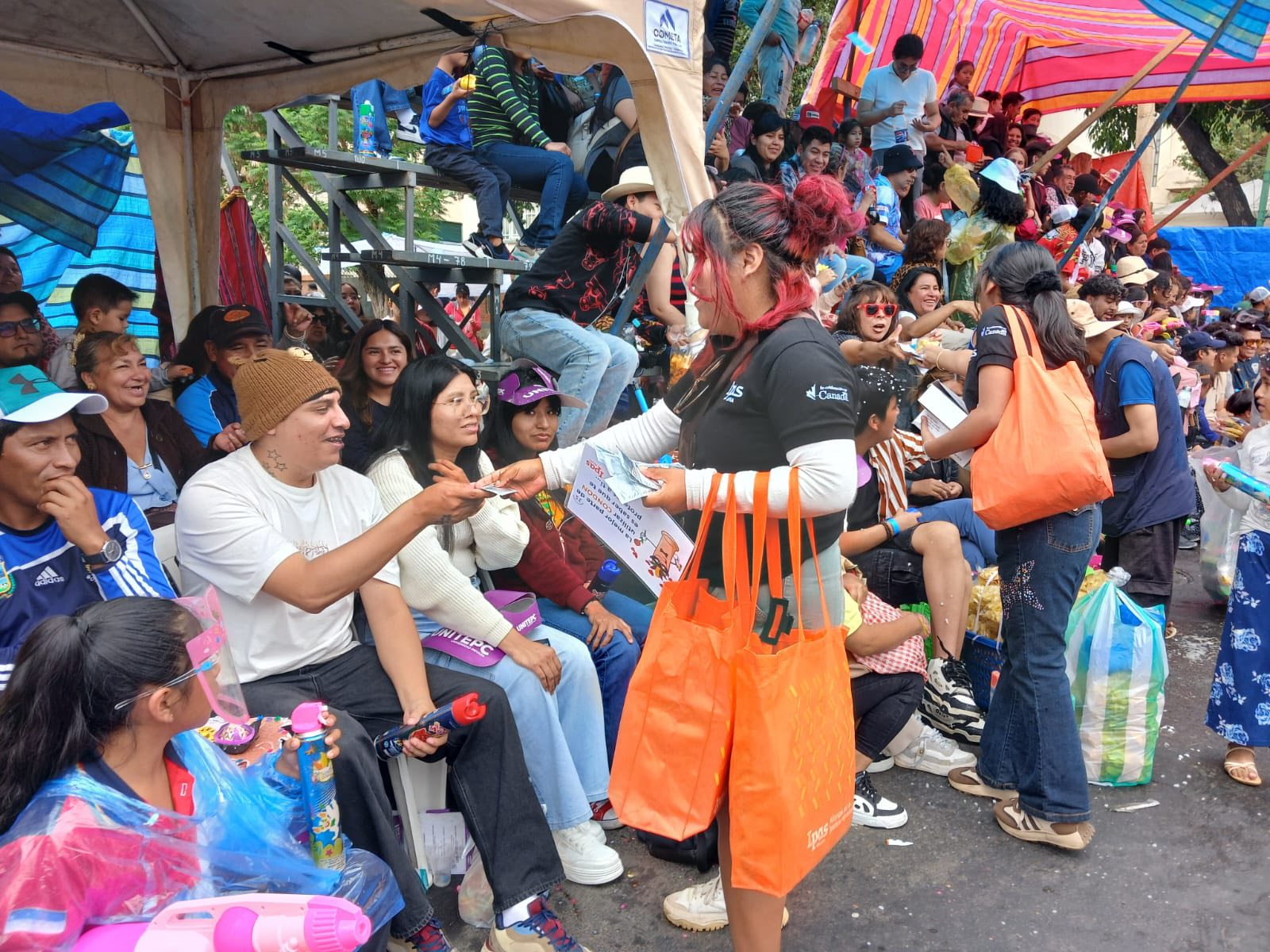
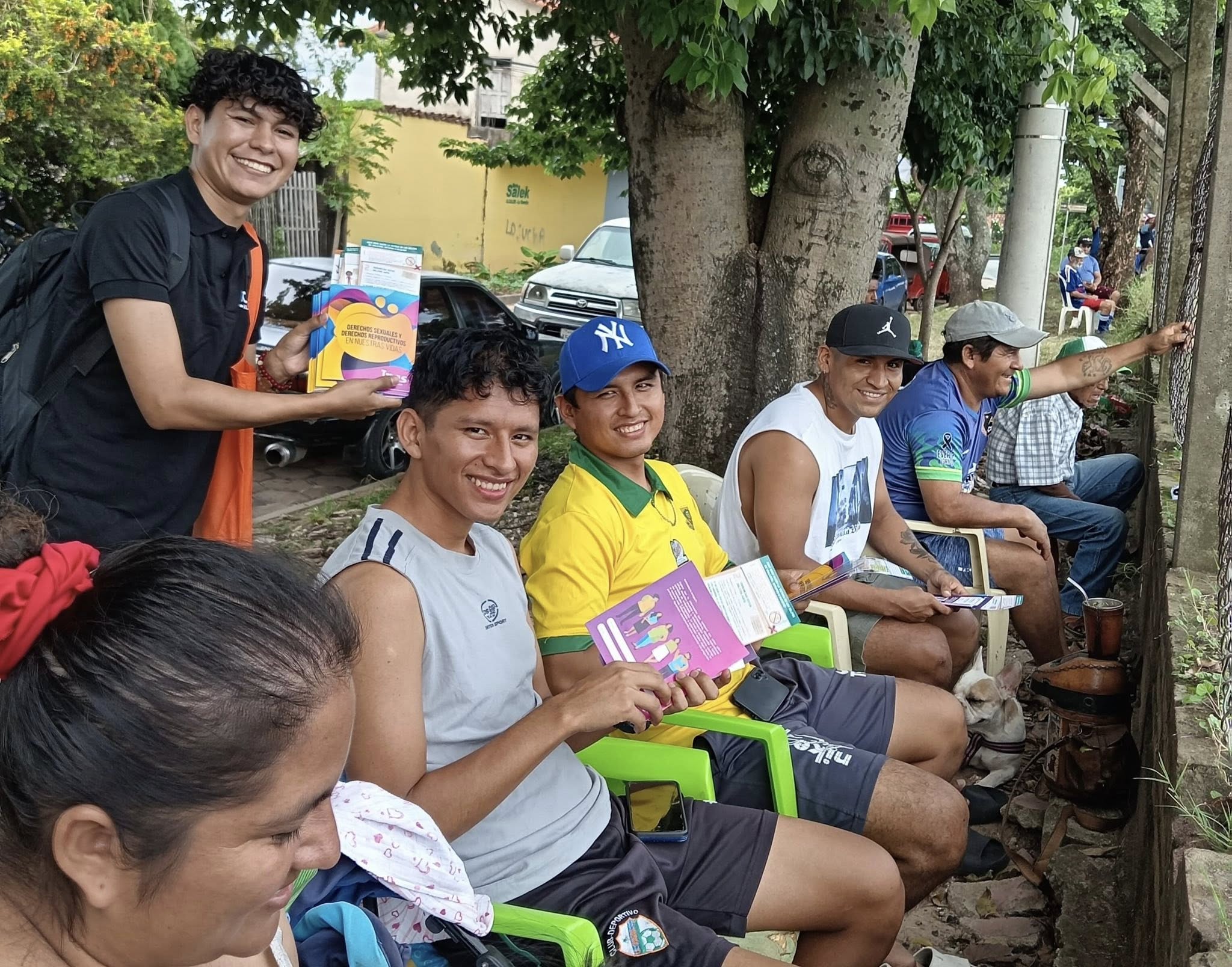
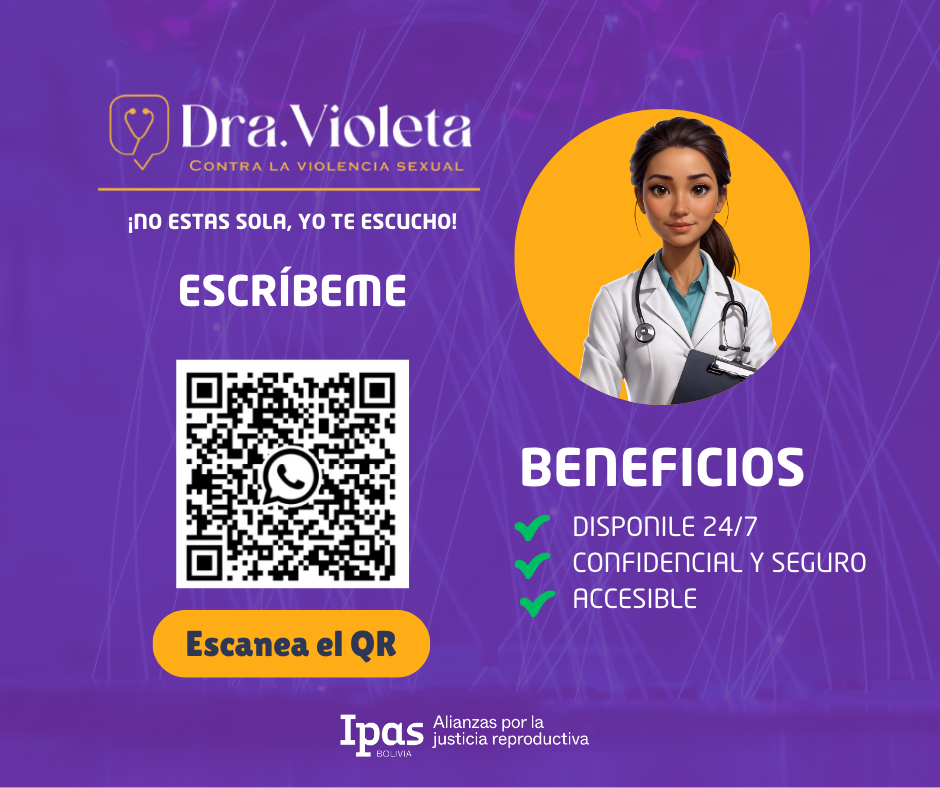
These actions were carried out by volunteer brigades made up of approximately 101 previously trained community agents and young local leaders, together with the organization’s technical staff, which strengthened community trust and allowed a close and non-stigmatizing dialogue in each territory. The artificial intelligence chatbot “Dr. Violeta, against sexual violence” was also promoted as a confidential and safe tool for counseling in situations of sexual violence. The campaign also had a digital version disseminated in social networks, expanding the reach of the preventive messages to more diverse audiences.
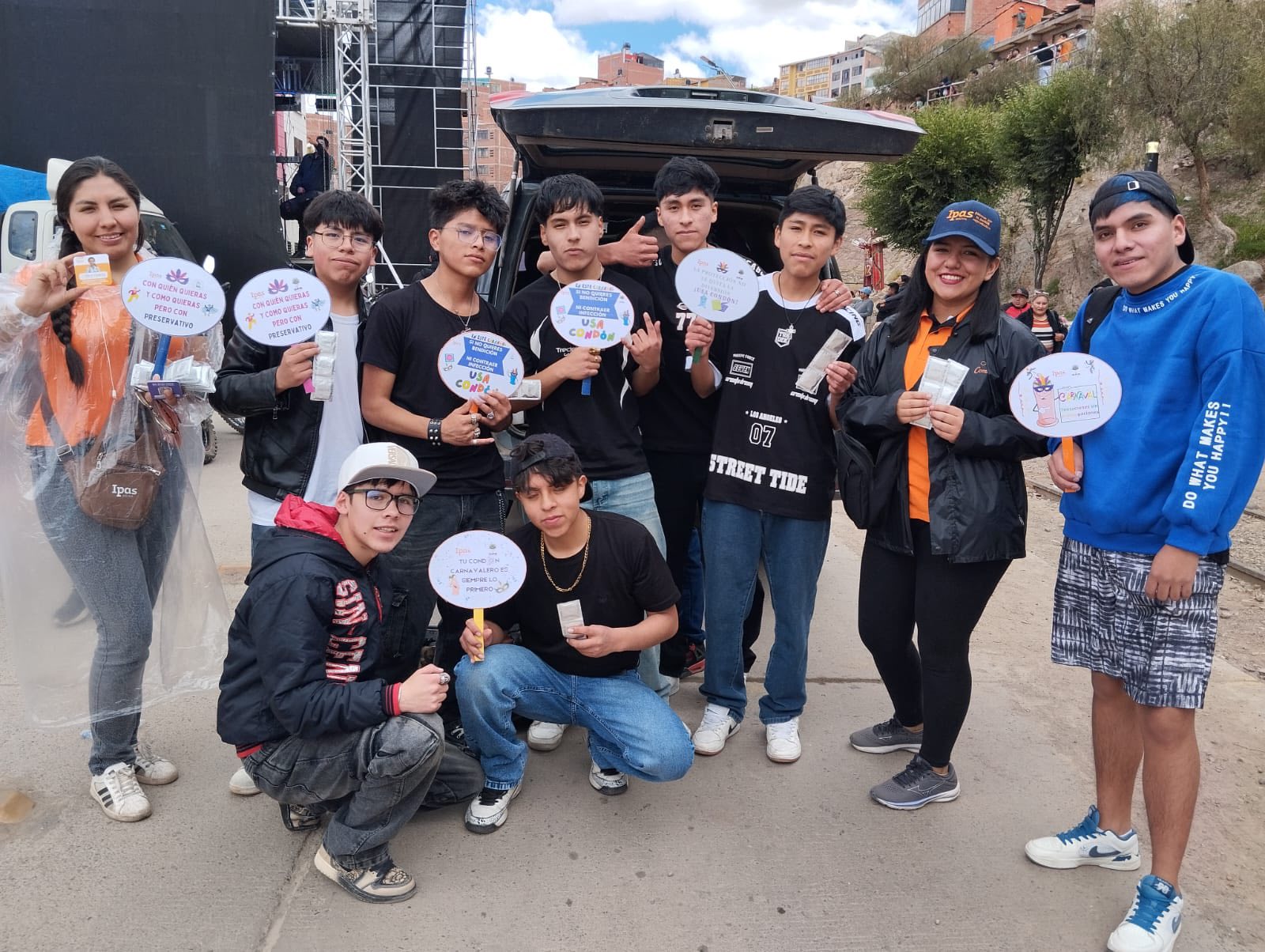
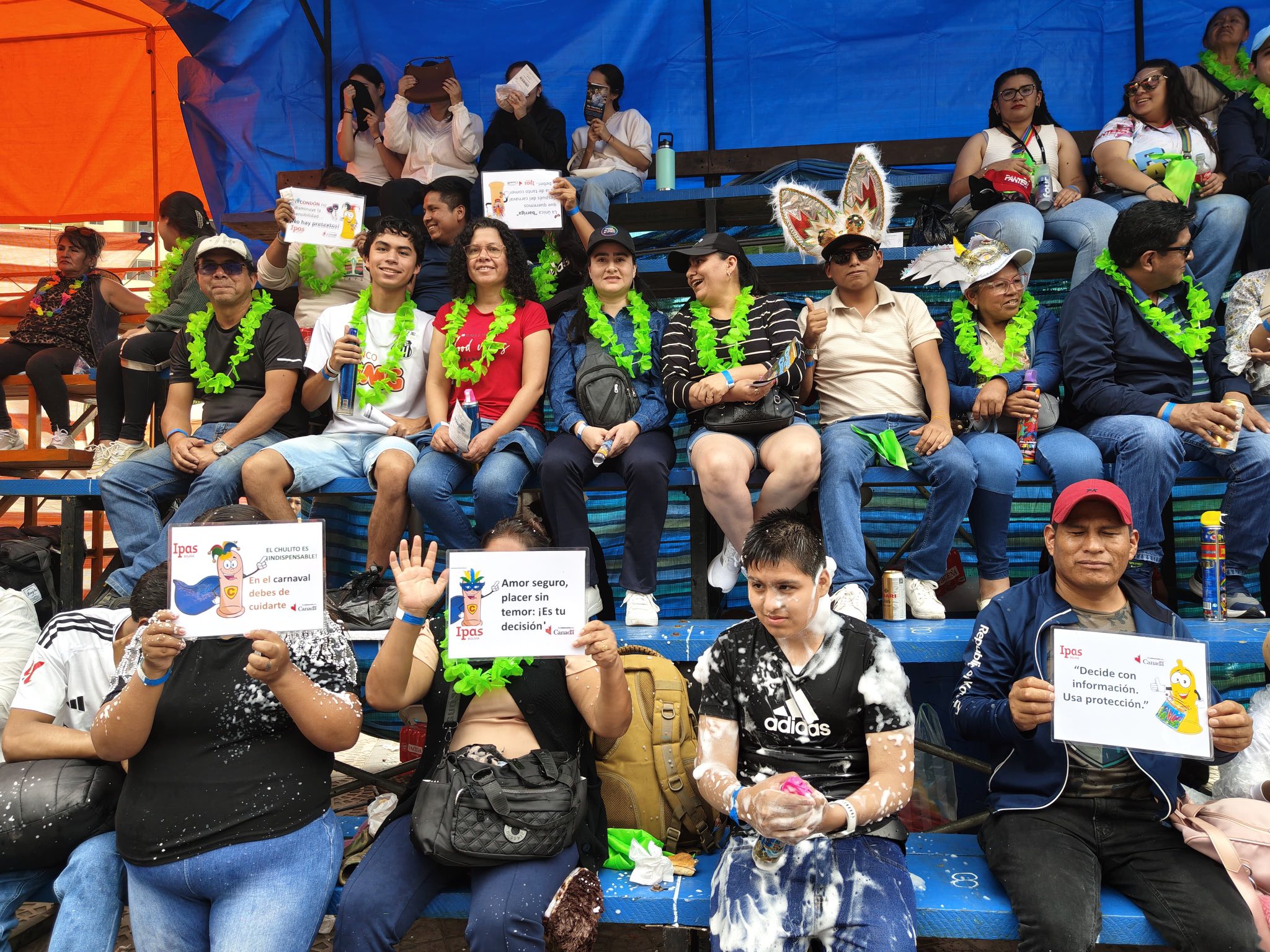
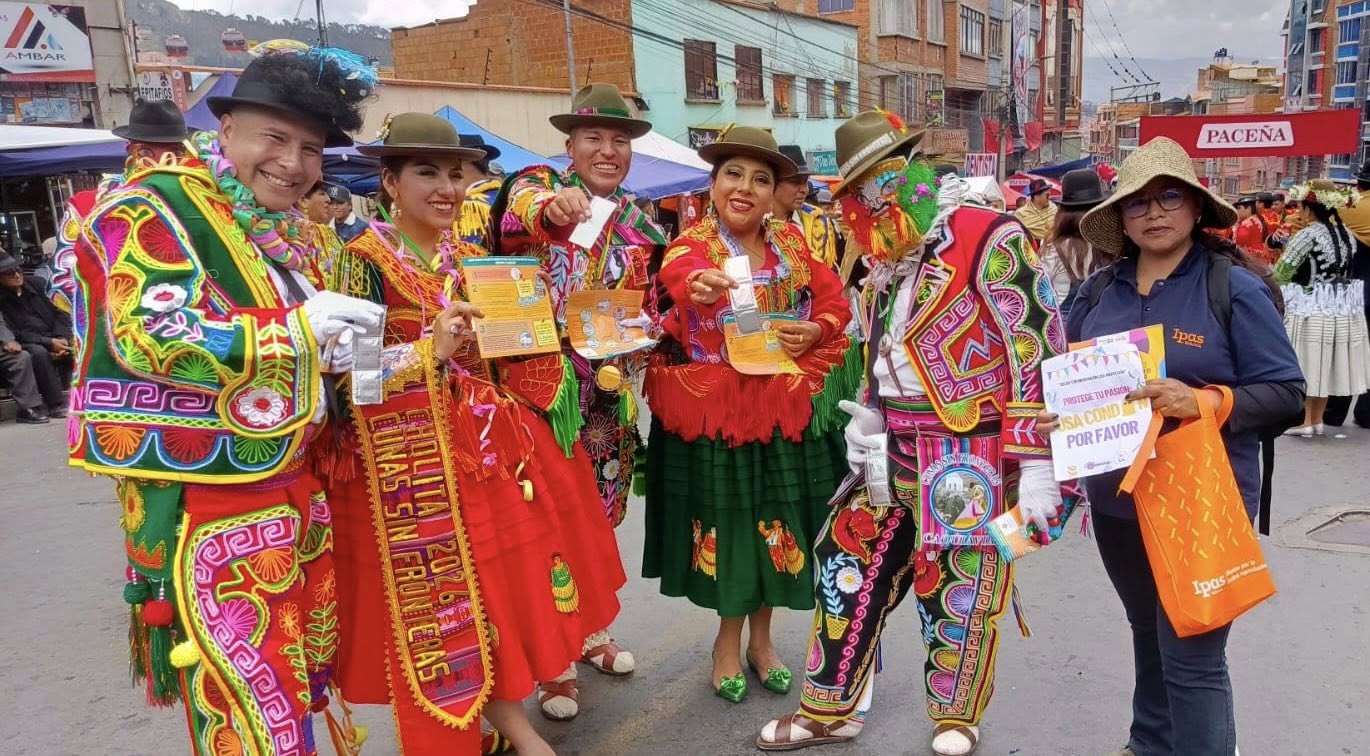
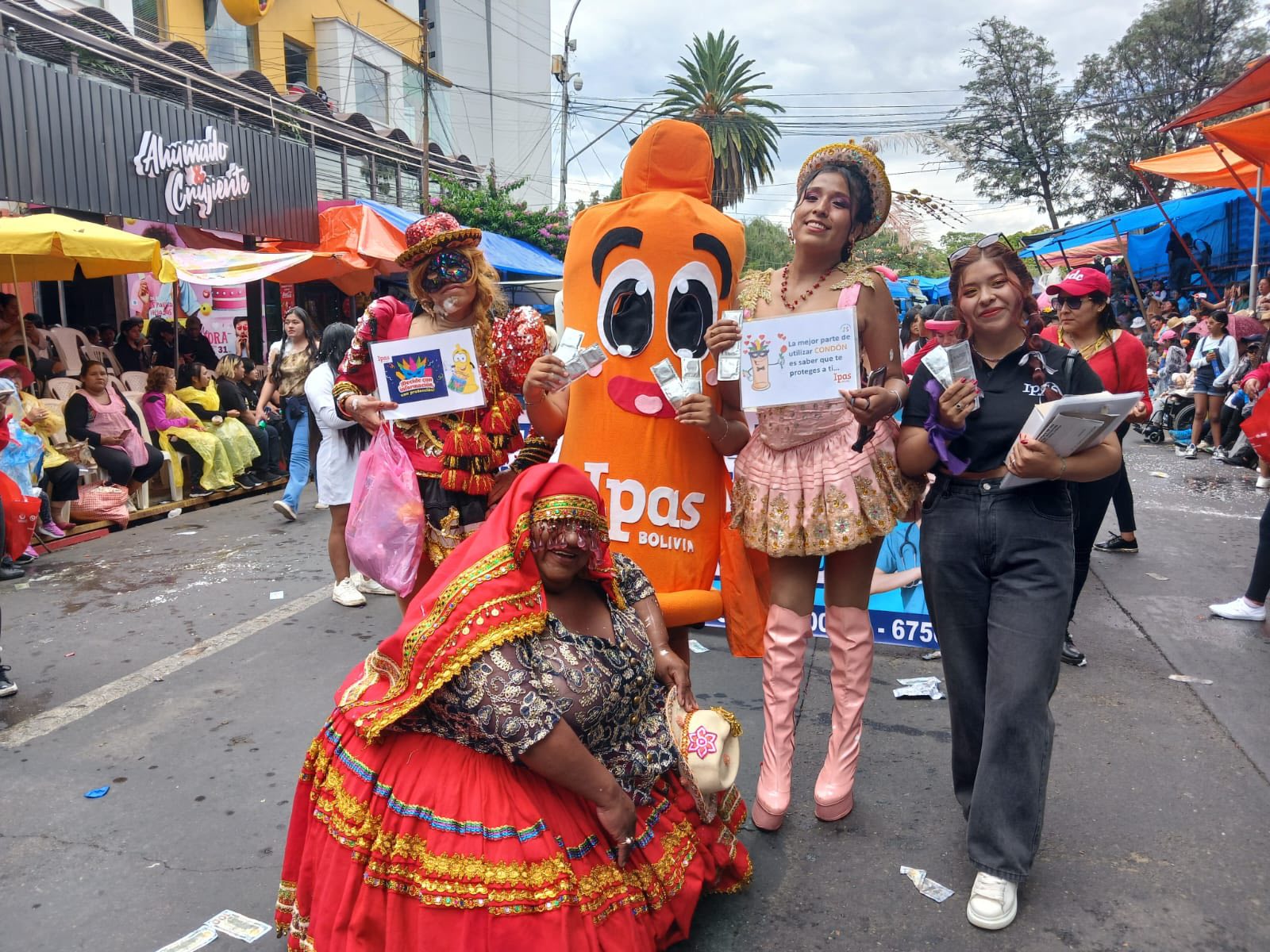
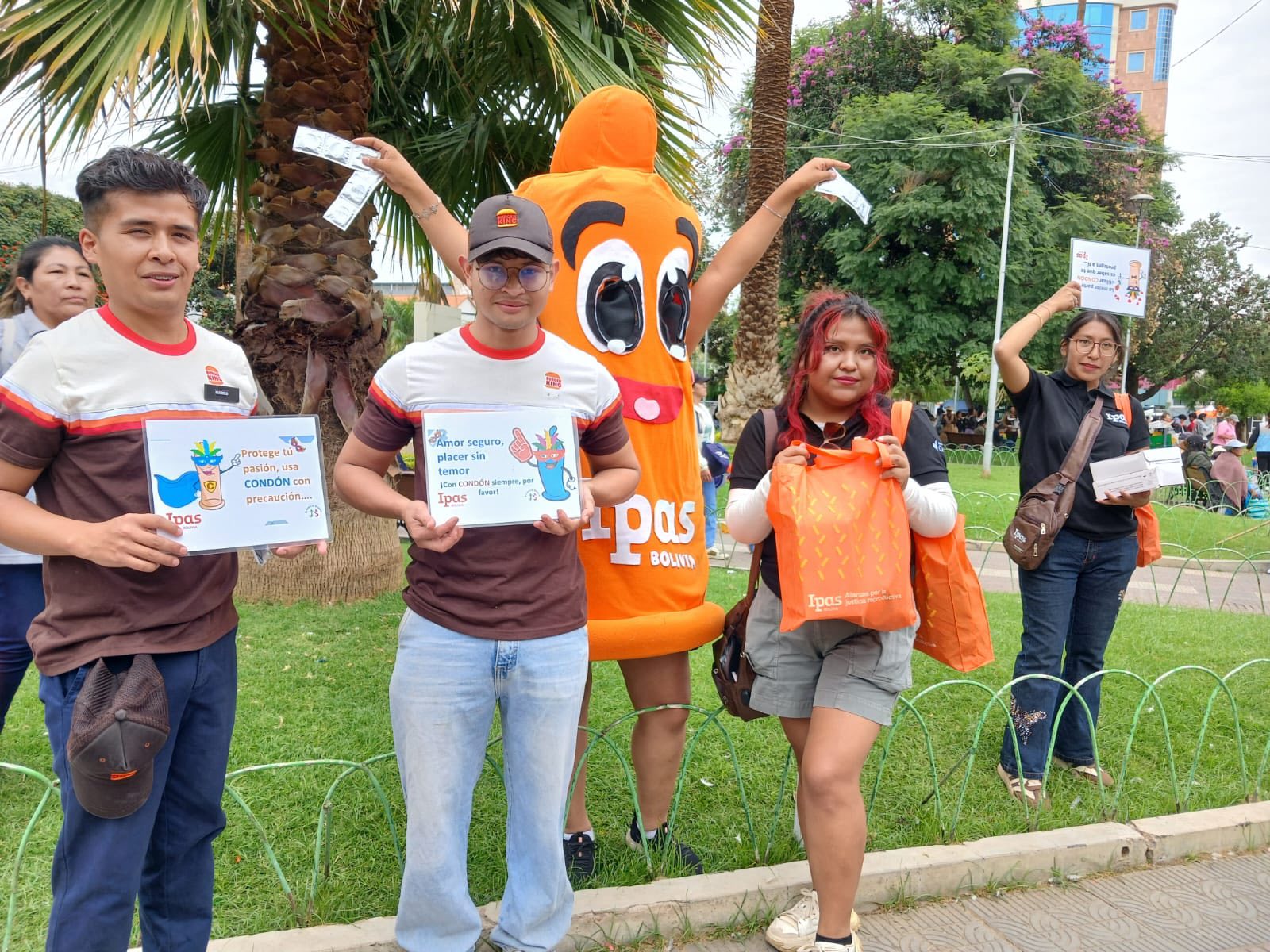
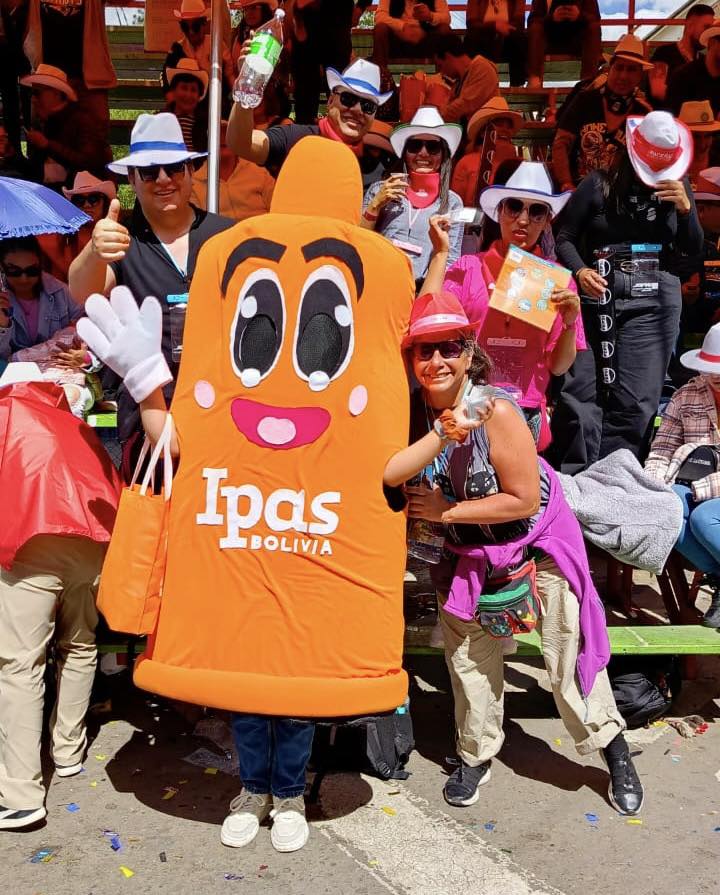
Ipas Bolivia concentrated its interventions in spaces of high attendance and cultural relevance, being present in massive Carnival events. For example, on February 22 in La Paz, during the “Tentaciones” party and the traditional “Entierro del Pepino”, where approximately 3,000 people were reached; on February 21 at the Corso de Corsos in Cochabamba, with 1,000 people reached through the distribution of condoms and information material; and on February 14 in Oruro, at the Carnival declared “Masterpiece of the Oral and Intangible Heritage of Humanity”, where 1,000 people attended in Cercado alone. These actions in emblematic spaces with massive participation consolidated the points of greatest acceptance and visibility of the preventive strategy at national level.