
In Bolivia, many decisions about the body are made in silence. Not for lack of interest, but for lack of information and safe spaces to ask. In that void, where fear often comes before an answer, Estefany Ricaldi became a bridge. Her story reflects how Ipas Bolivia’s community work transforms silence into conversation and misinformation into informed decisions.
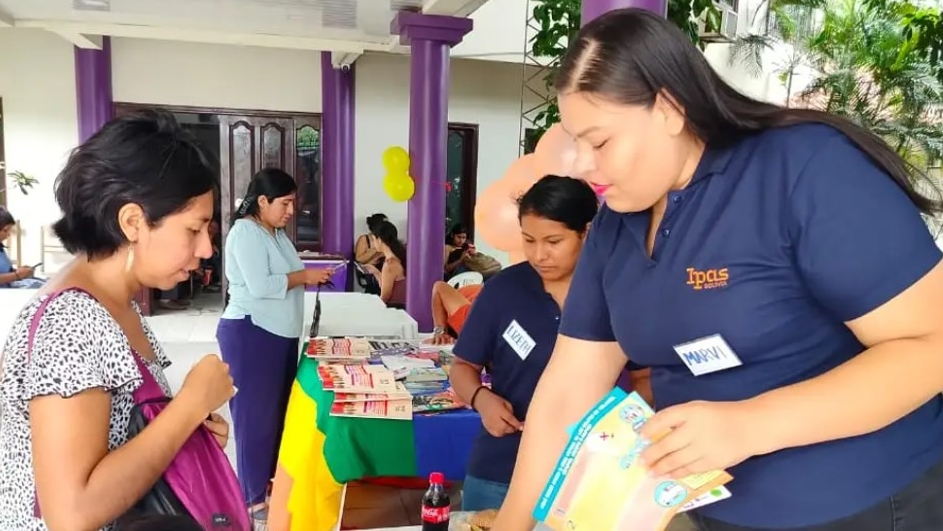
Estefany is 25 years old and a volunteer community leader in Sexual and Reproductive Rights (SRHR). For more than four years, she has been part of the community work promoted by Ipas Bolivia, a sustained commitment to bring clear and reliable information to places where the health system does not always reach: neighborhoods, fairs, classrooms and everyday spaces.
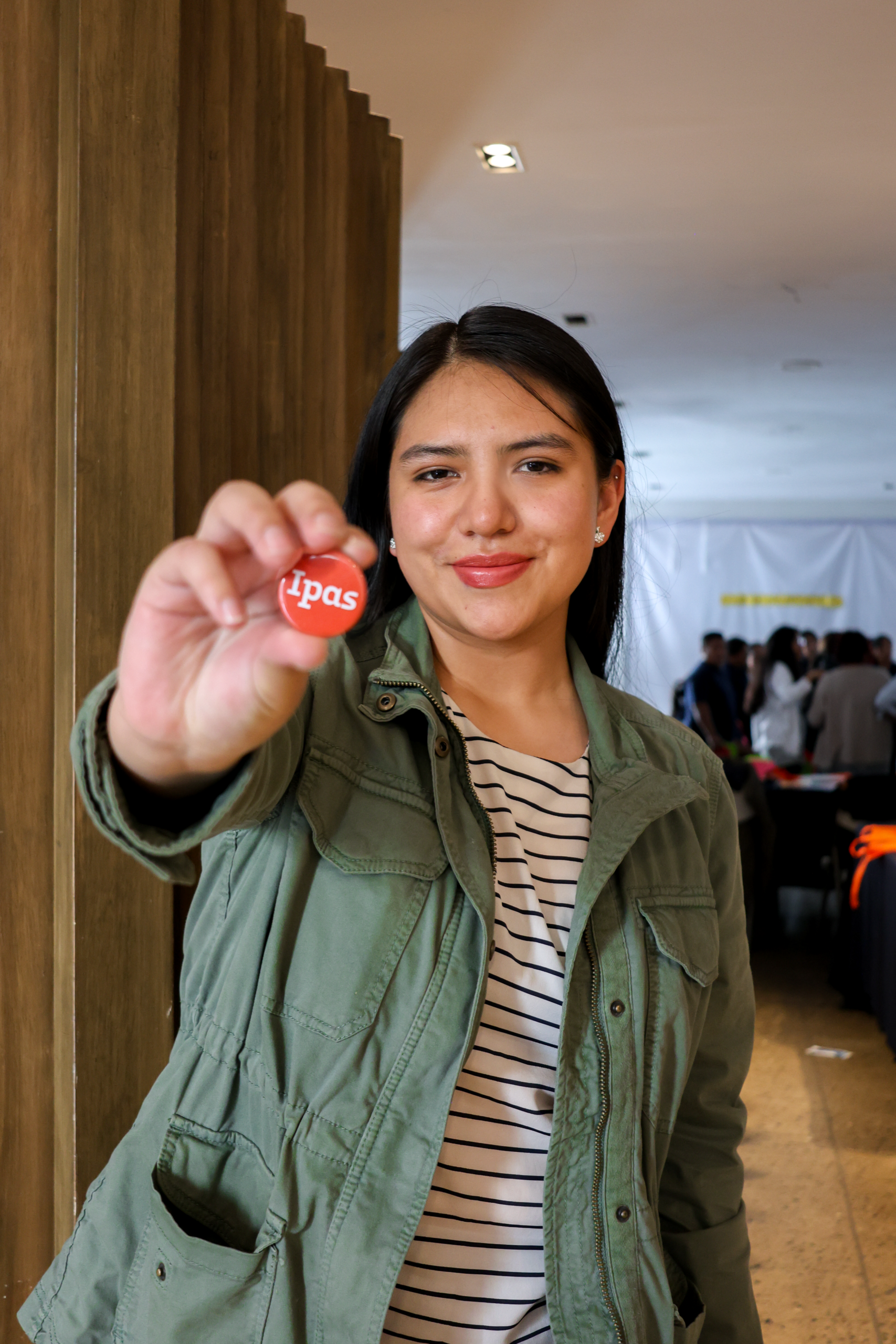
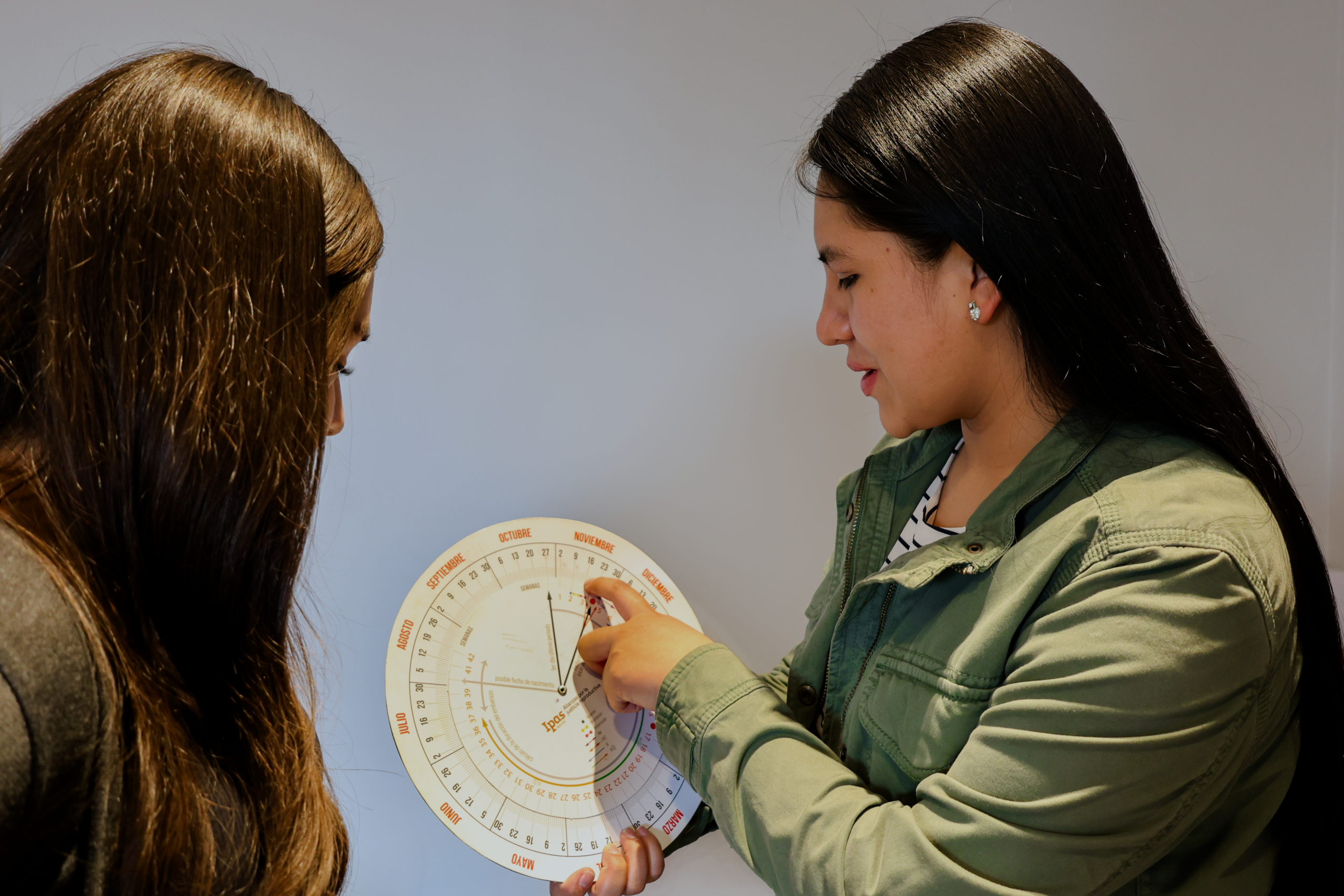
Photo 1: Estefany Ricaldi, community leader.
“You learn all the time… Not just about contraceptive methods or rights, but about how to listen without imposing.”
Today, Estefany accompanies adolescents, young people and women with basic and timely information: how contraceptive methods work, where should I go to access them, myths and truths; as well as what to do in a situation of sexual violence; or legal termination of pregnancy under Constitutional Ruling 0206/2014; from a rights-based approach. “Not everyone needs the same thing, nor at the same pace,” she explains. Therefore, before speaking, listen.
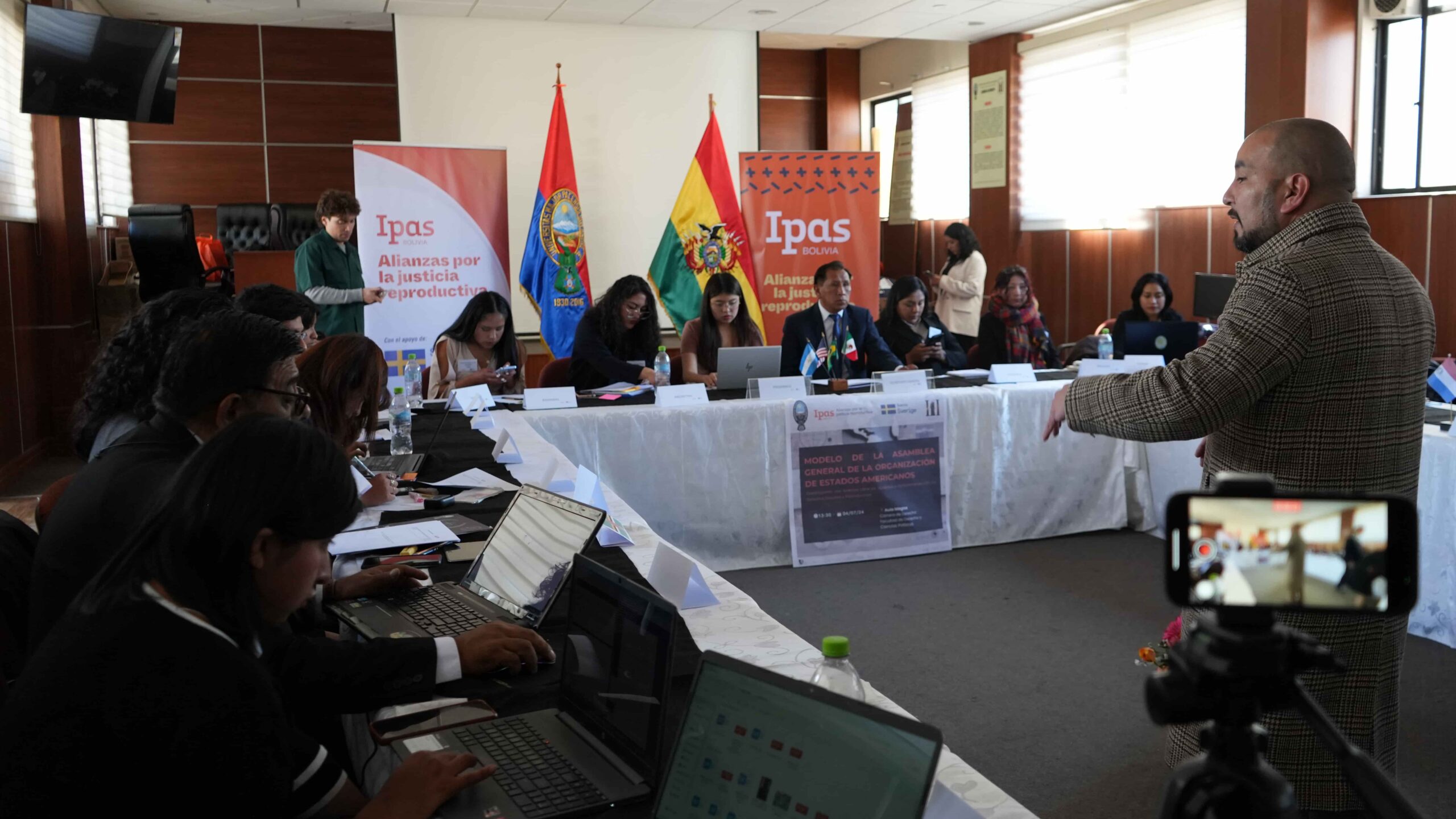
This accompaniment does not happen alone. It is part of a community network promoted by Ipas Bolivia, with the participation of young people, adult women and men who, with tools and training, become information referents in their own environments.
“You realize that anyone can learn and share information if they have the support.”
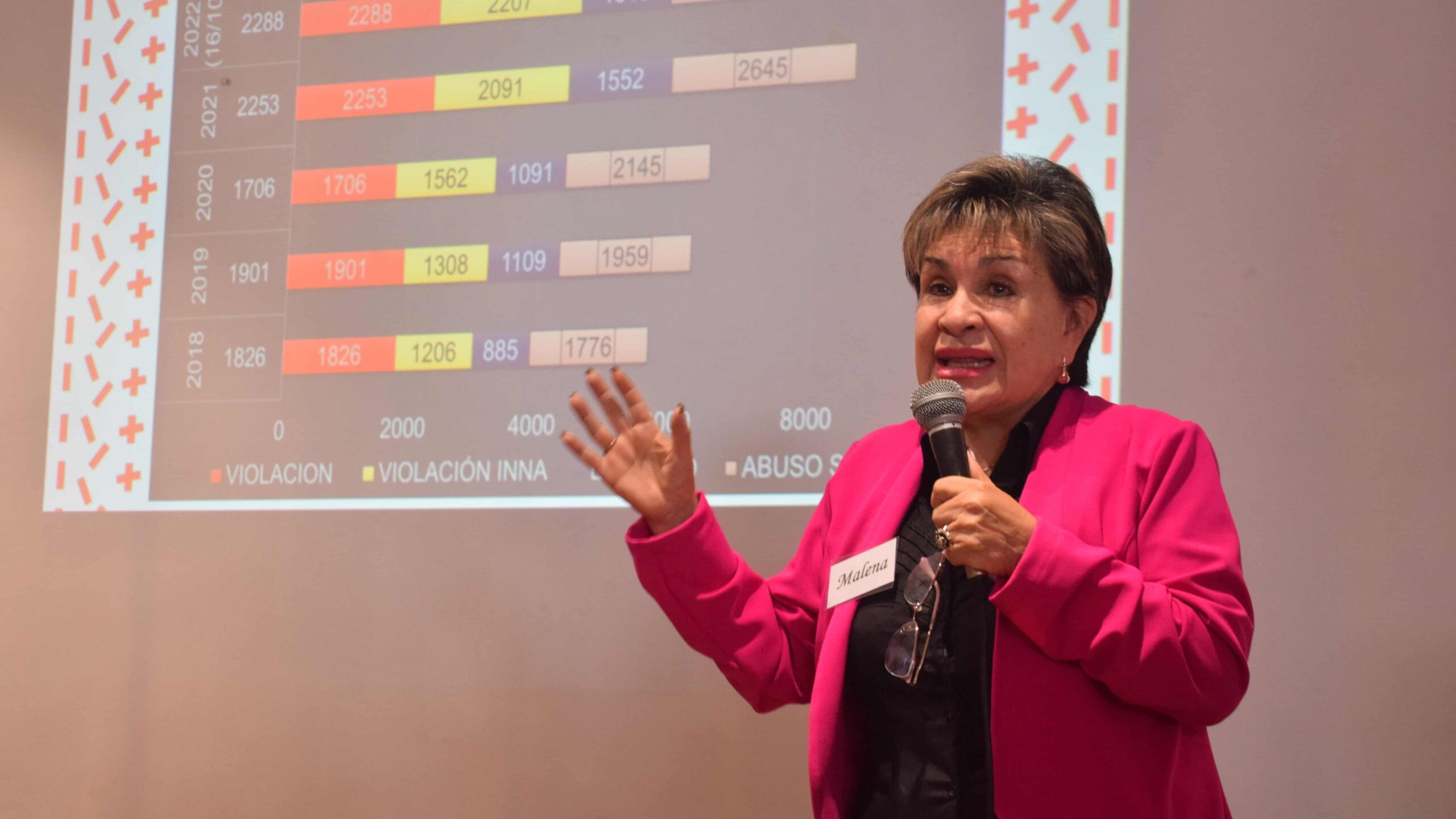
The Bolivian context helps to understand why community work is key. According to the Ministry of Health, in 2023, 32,660 pregnancies were registered in adolescents between 10 and 19 years of age, including 1,302 in girls under 15. Added to this are persistent barriers such as the lack of comprehensive sexual education, social stigma and sexual violence, which between 2020 and 2024 exceeded 11,000 cases registered by the Attorney General’s Office. Faced with this scenario, information arriving in time can make a difference.
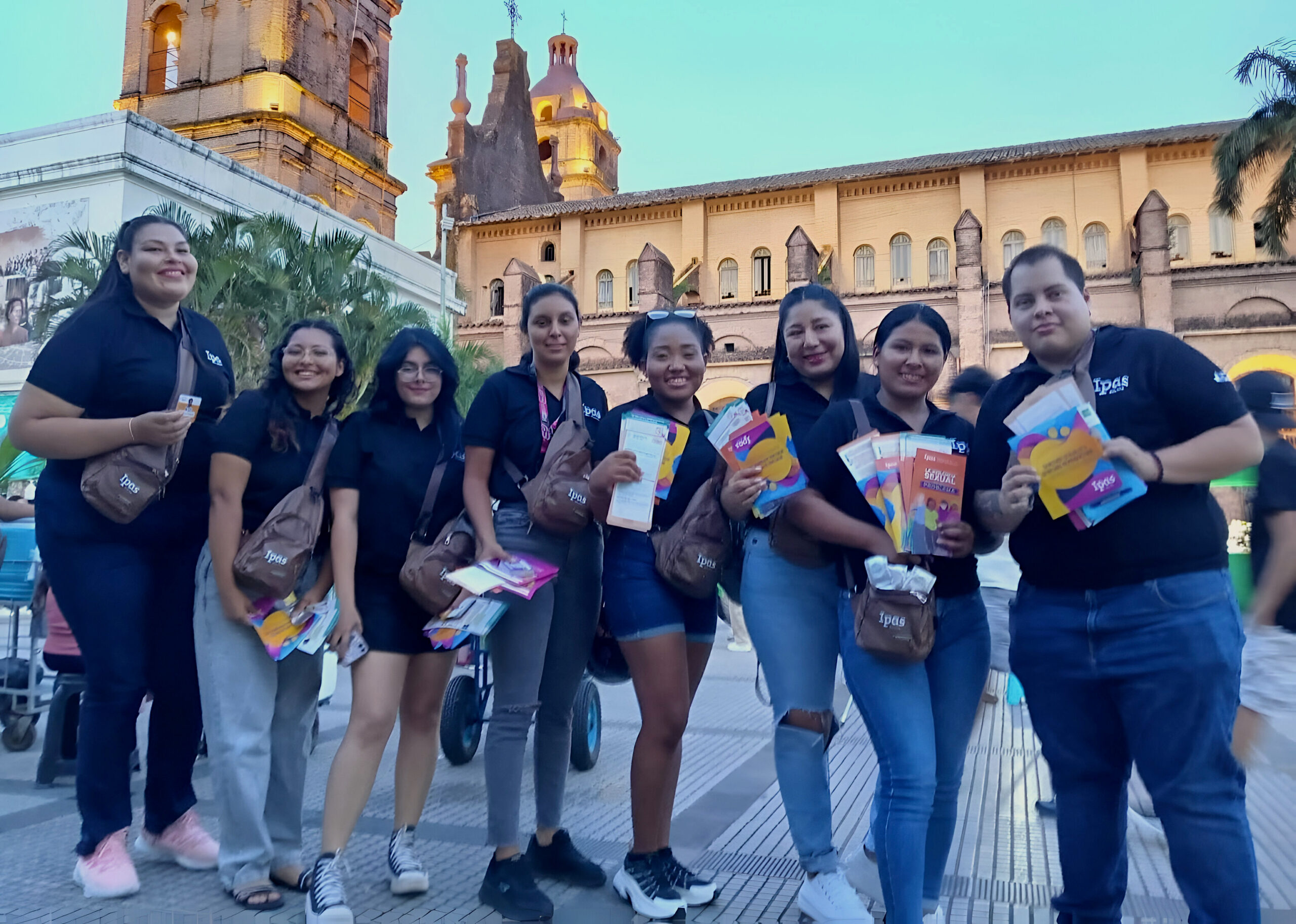
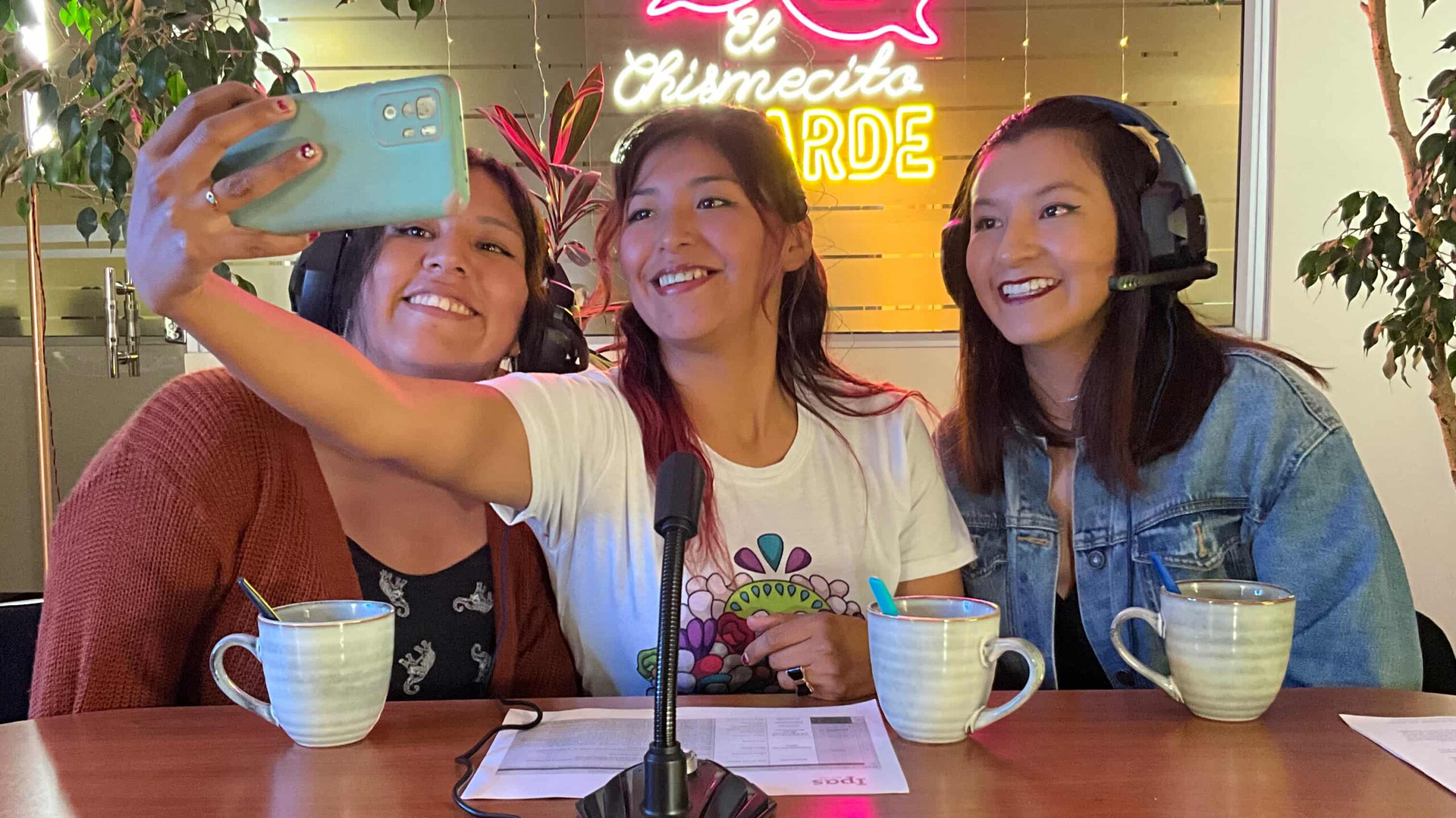
Photo 2: Group of community leaders after an information campaign on DSDR and contraceptive methods.
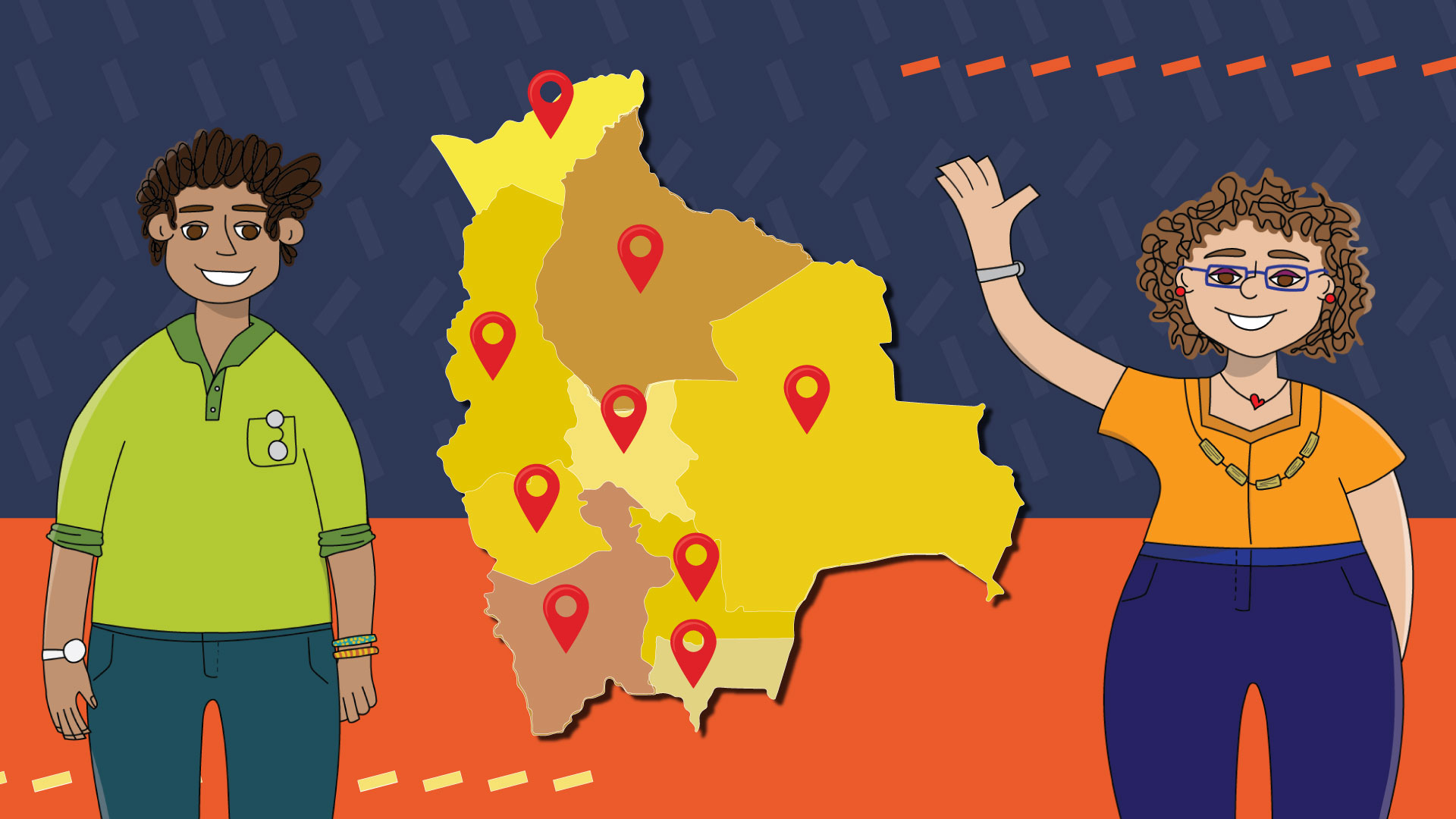
Between July 2024 and June 2025, this community work allowed Ipas Bolivia, through its volunteer leaders, to provide contraceptive counseling to 24,813 people in different departments of the country. Behind this number are other leaders like Estefany guiding: campaigns, simple conversations, clear explanations and confidence built step by step.
For her, being a community leader means being available to others and taking the time to patiently explain. Her story reflects the impact of Ipas Bolivia’s community work: when information arrives on time and from the community, the silence is broken and the exercise of sexual and reproductive rights becomes possible in places where it is most needed.