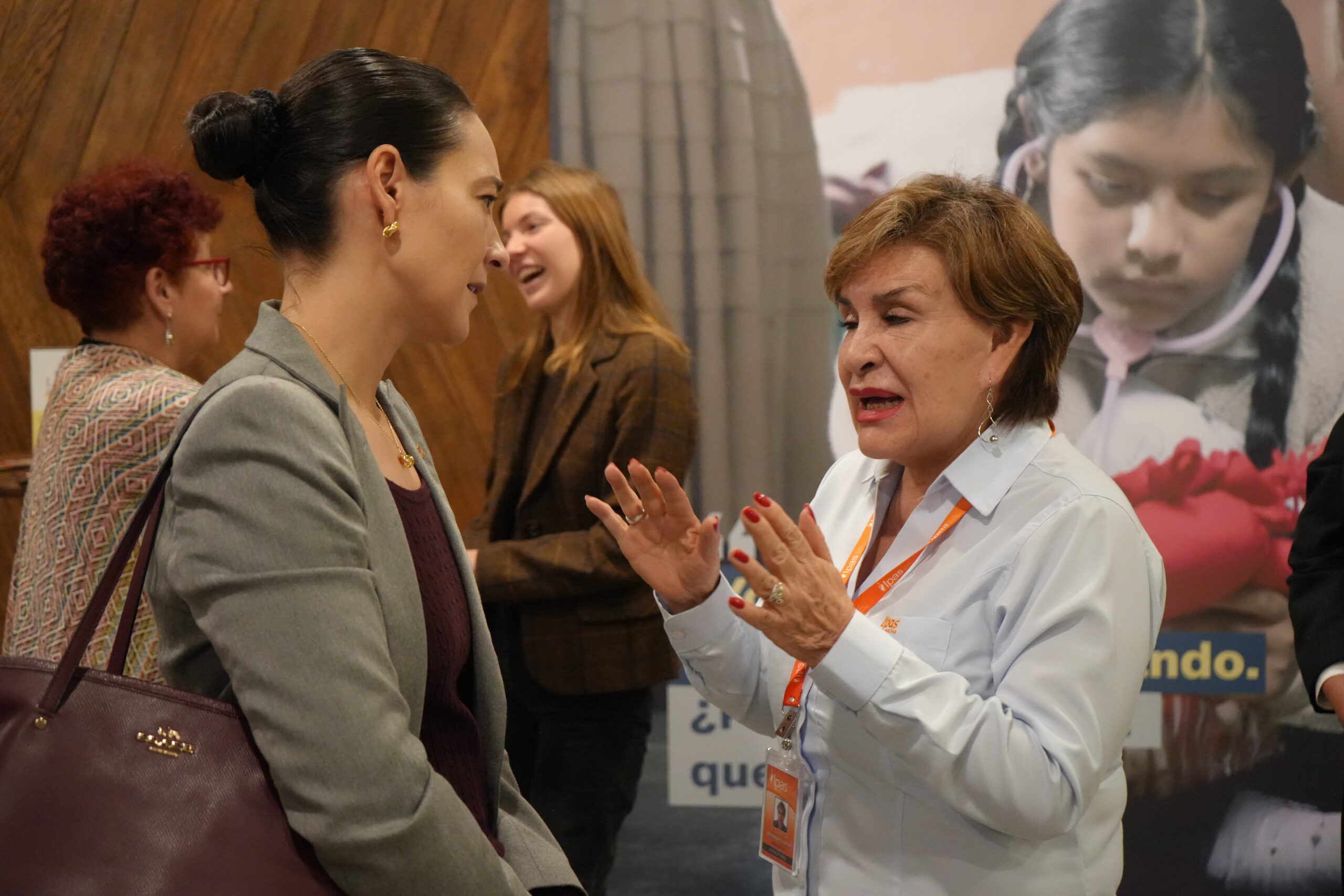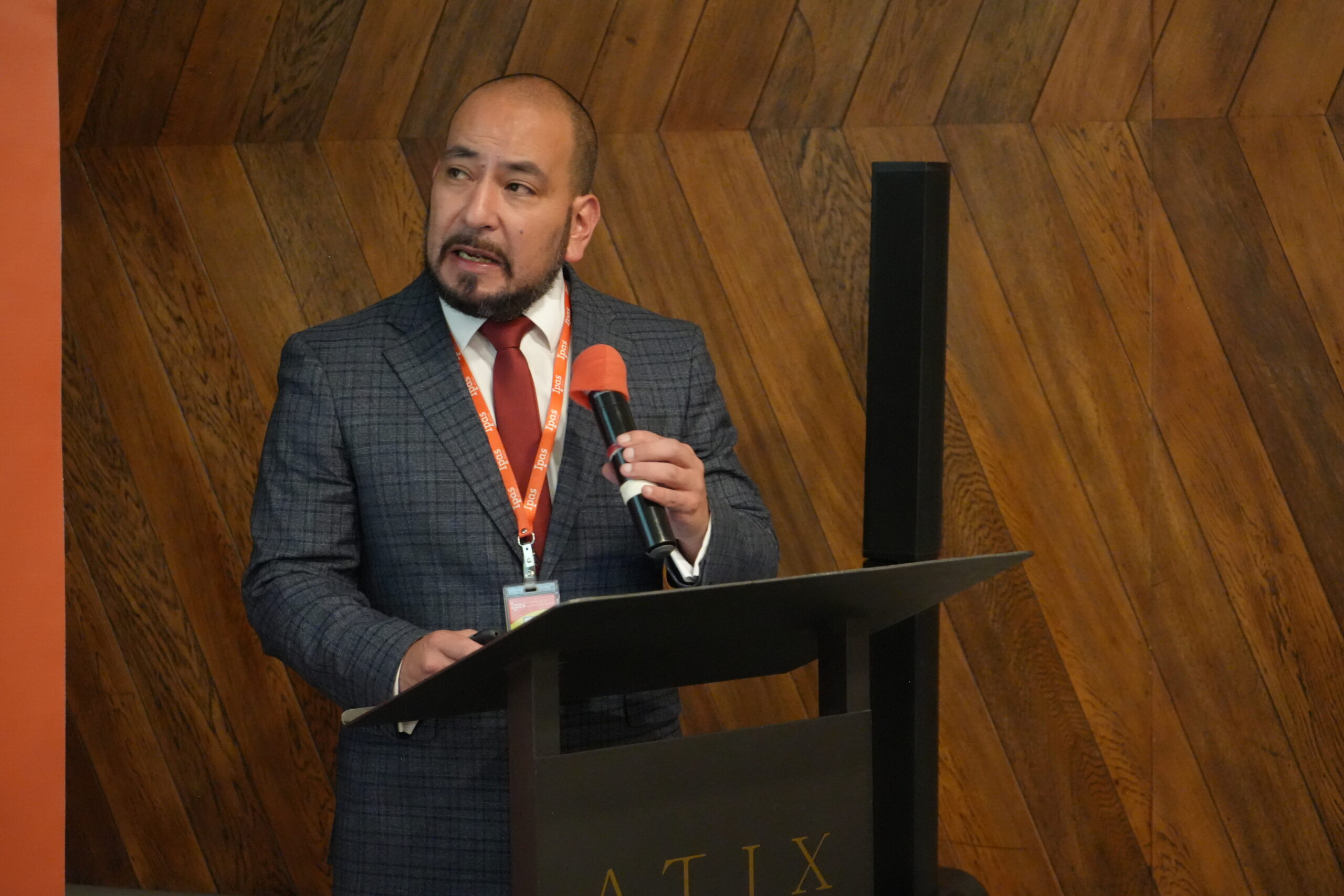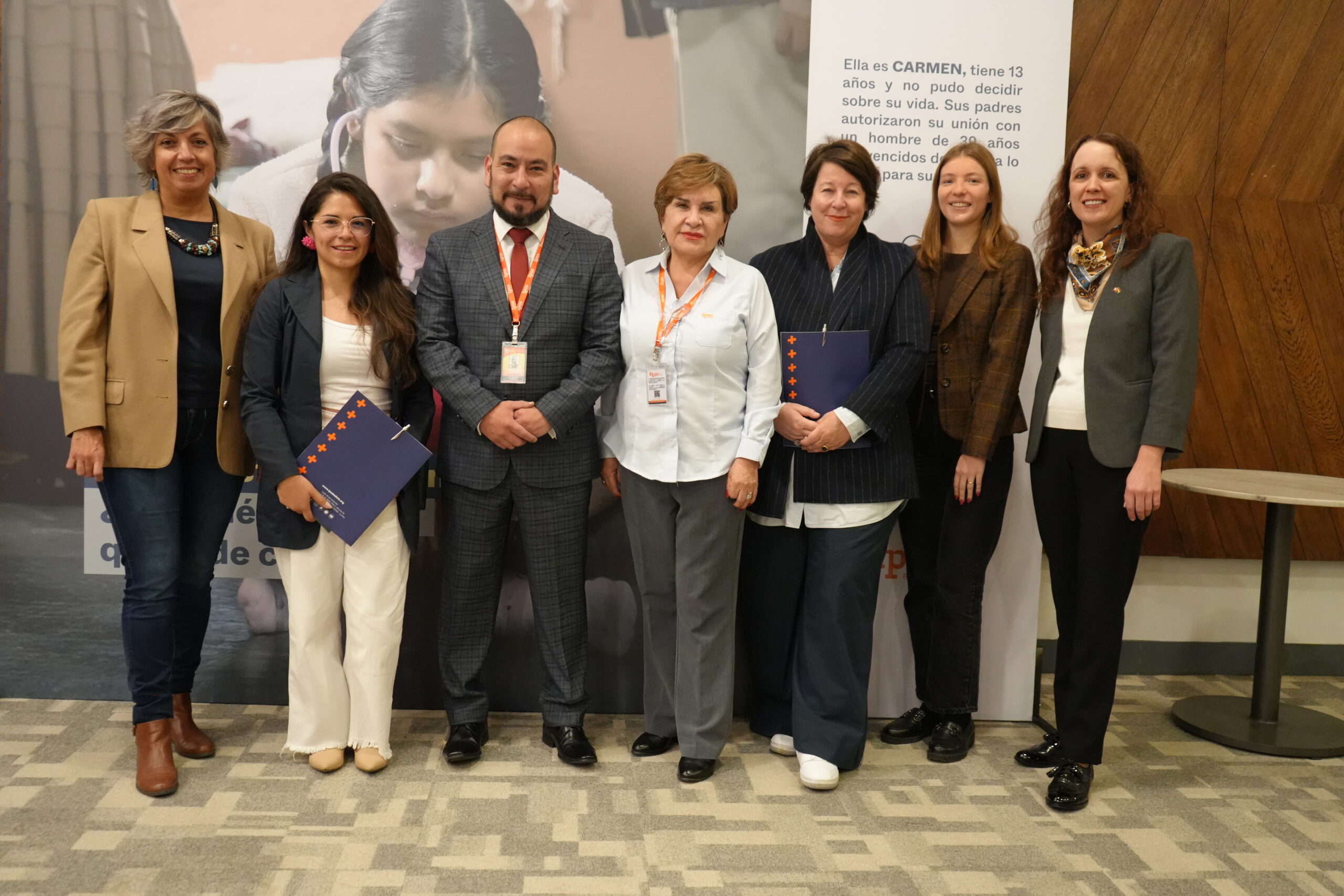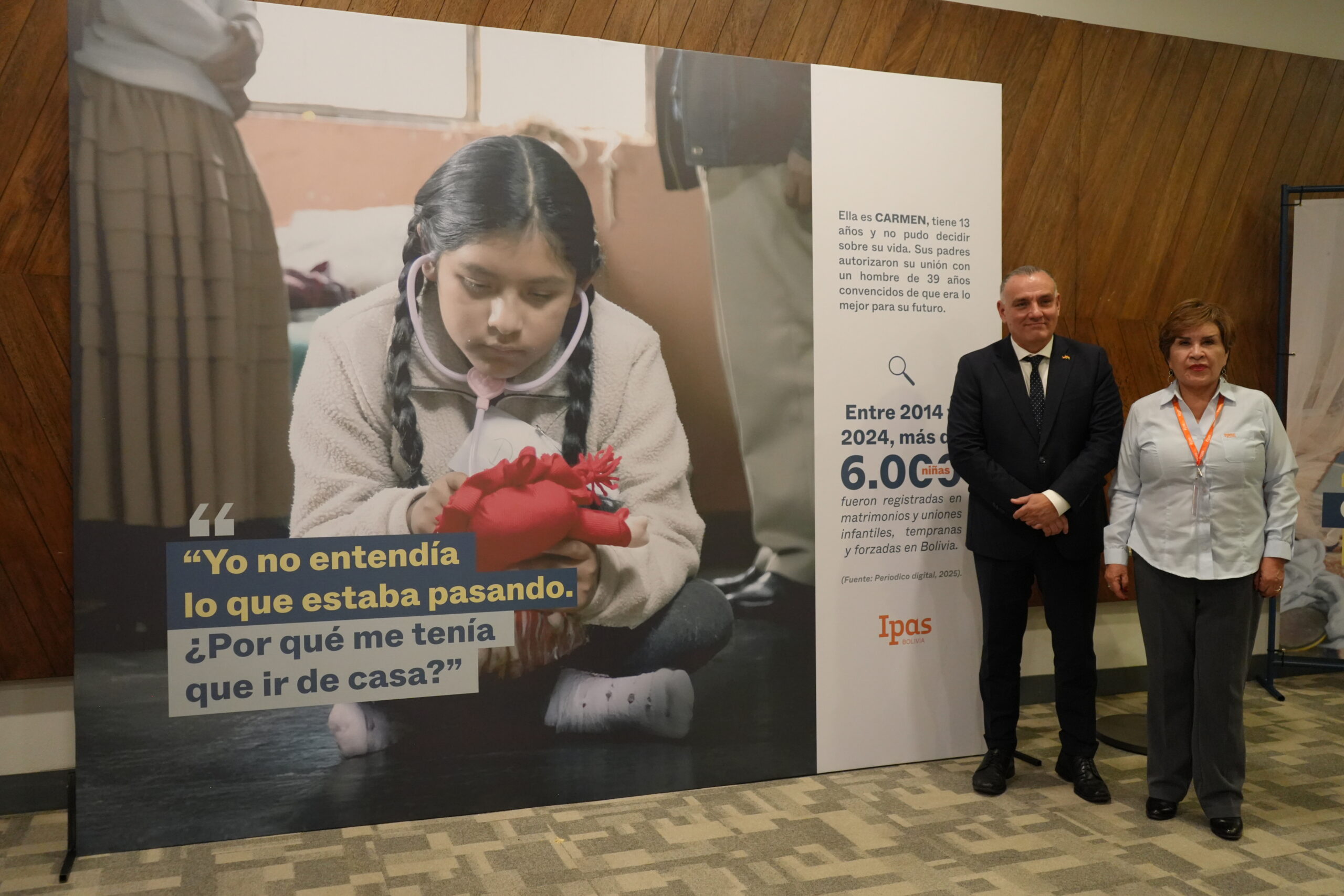



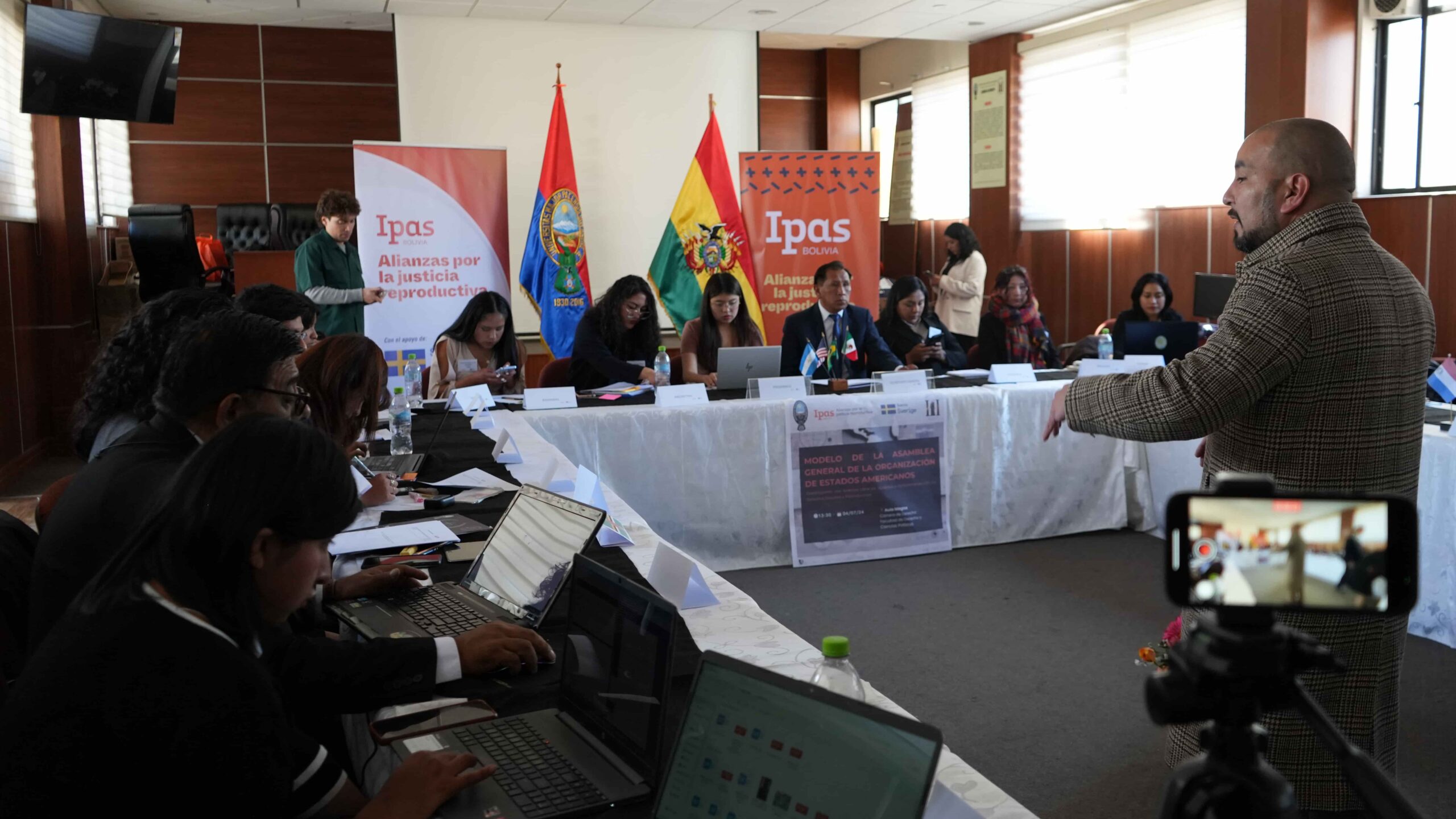







On January 29, Ipas Bolivia, in collaboration with the German Embassy, held a presentation in La Paz aimed at national authorities, representatives of the diplomatic corps and partner institutions with the objective of socializing the progress and strategic actions for the prevention and eradication of Child, Early and Forced Marriages and Unions (MUITF) in Bolivia following the recent enactment of Law No. 1639 in September 2025, offering a space to reflect on the remaining challenges for its effective implementation.° 1639, in September 2025, offering a space to reflect on the pending challenges for its effective implementation, reaffirming that the protection of girls and adolescents is a shared responsibility between the State, international cooperation and civil society.
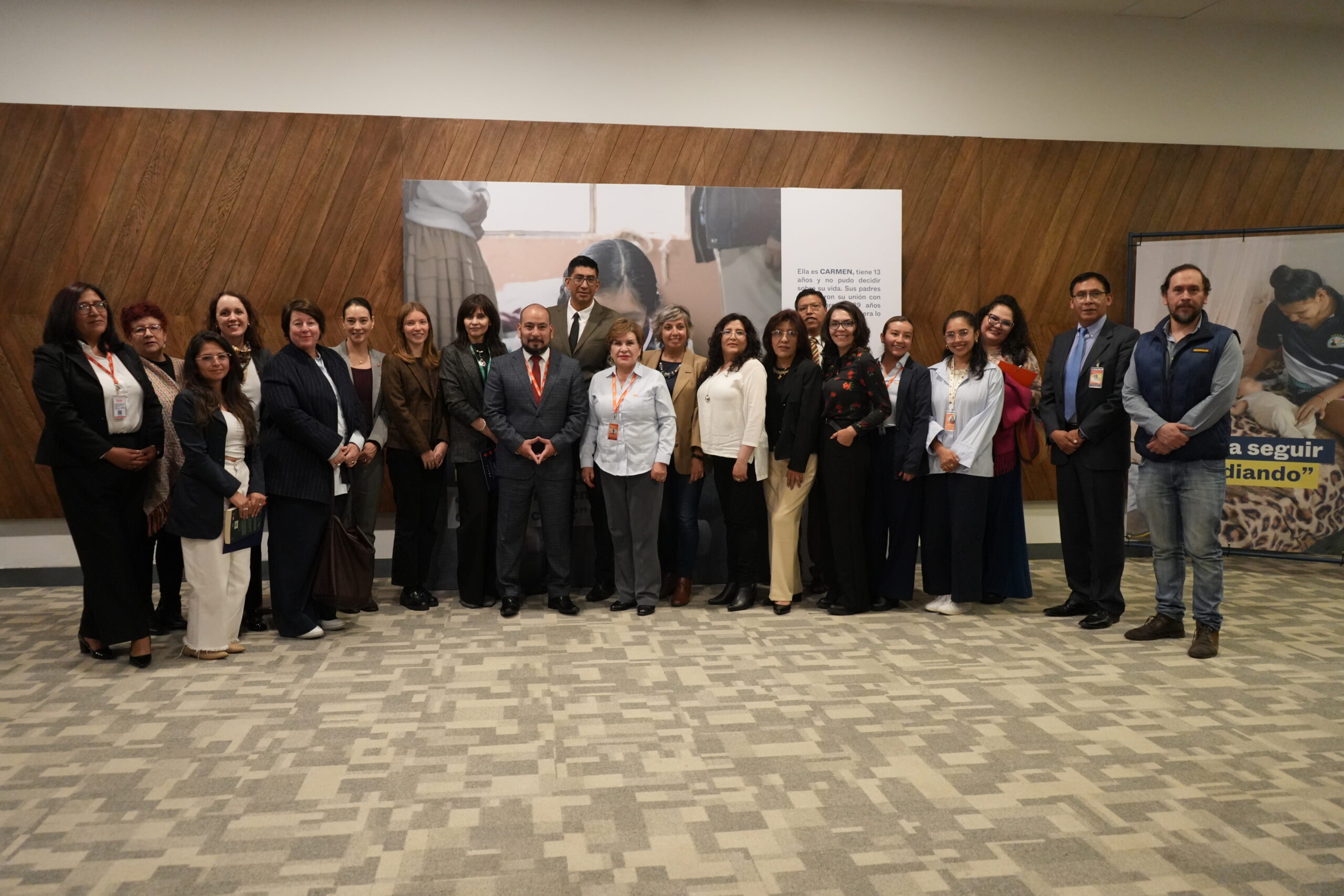
The event was attended by authorities and representatives of diplomatic missions, among them the German ambassador, José Schulz, who ratified his commitment and support for initiatives aimed at eradicating MUITF in Bolivia.
The day began with an exhibition of life stories, presented through a series of pictures that made visible the reality faced by many girls, adolescents and women in the country. Also participating in the event were the president of the Human Rights Commission of the Chamber of Deputies, William Solís Valencia, and representatives of various institutions, including the Swiss Embassy, UNFPA, FES, GIZ, UN Women, UNICEF, Child Fund, EDUCO and Save the Children, among others.
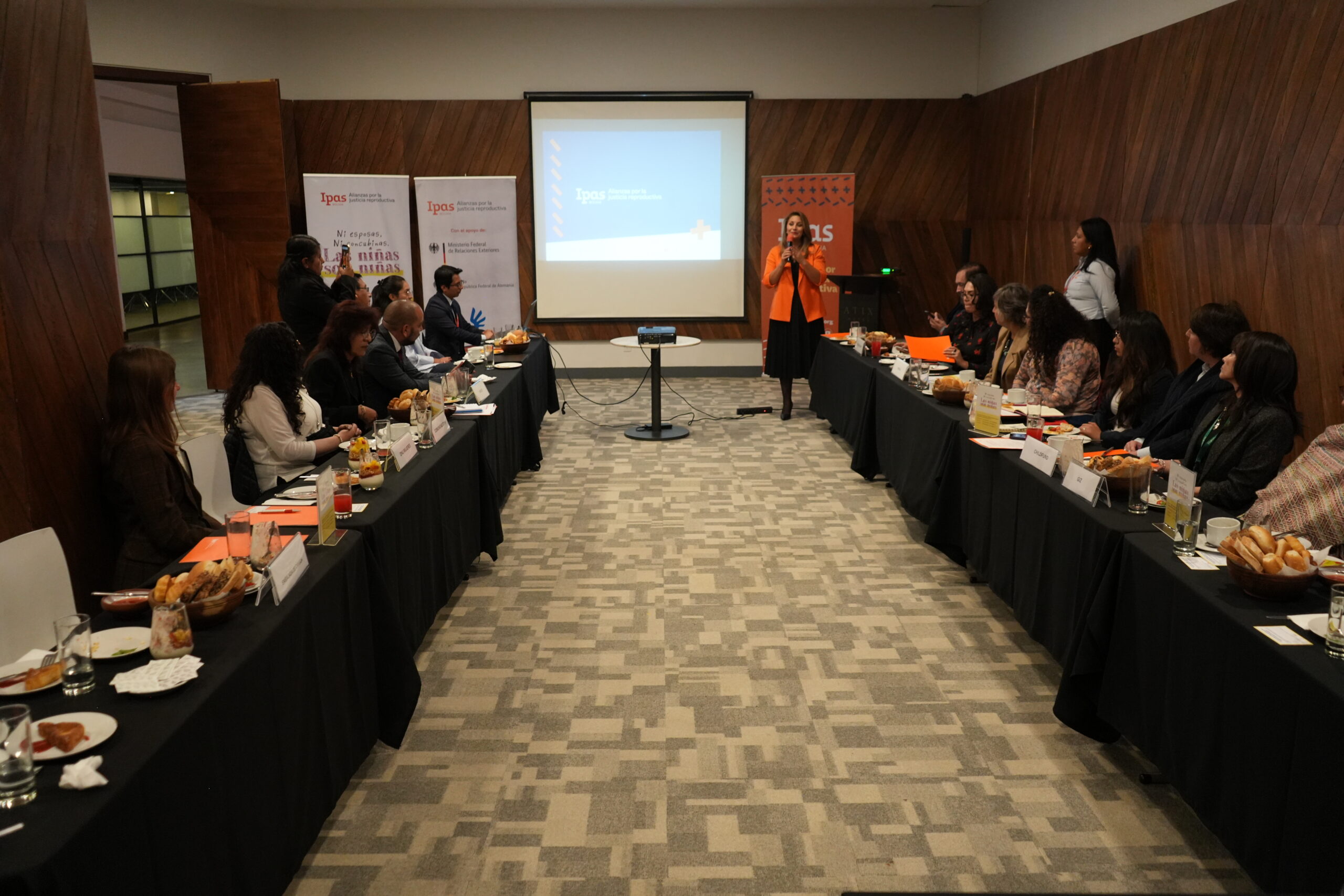
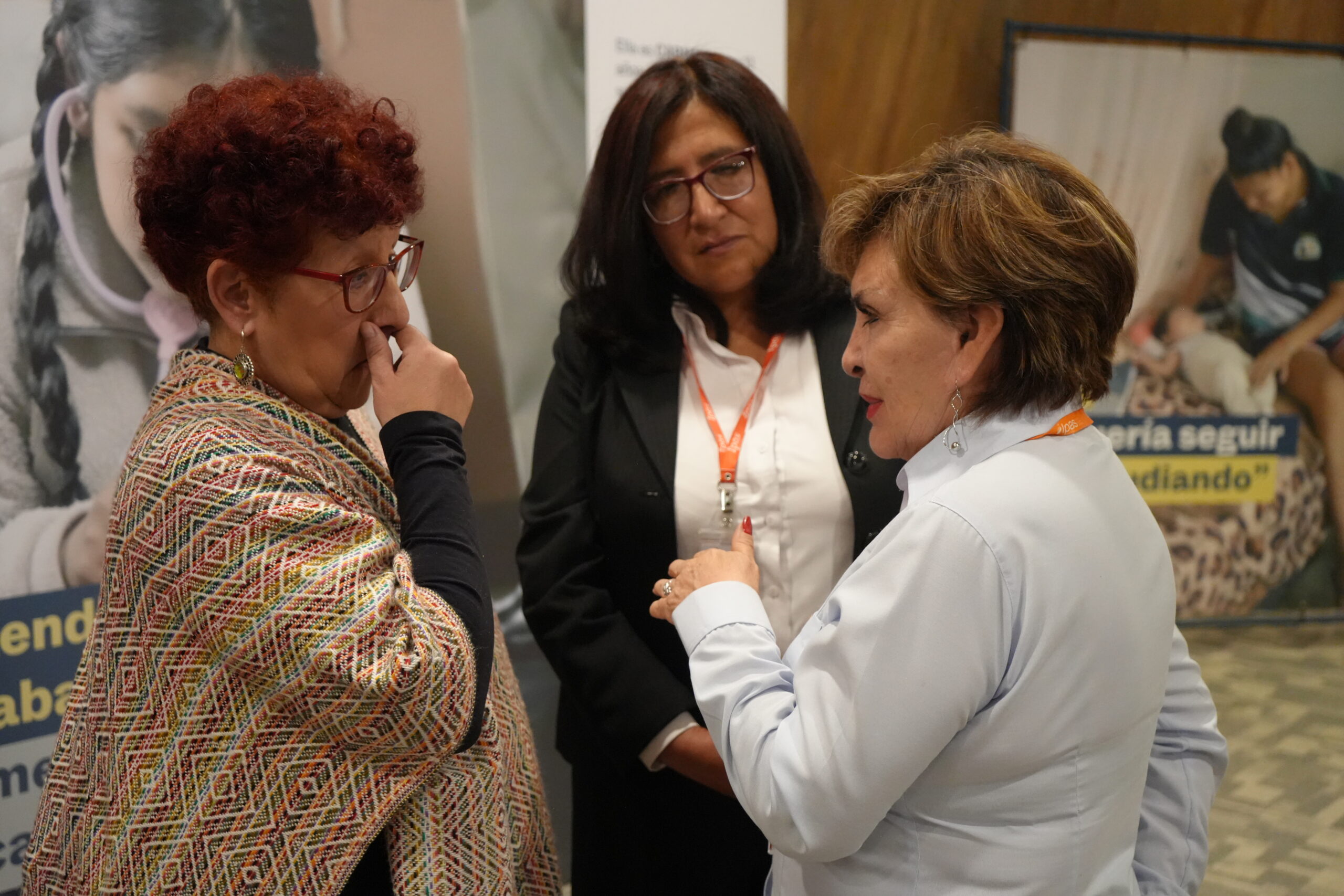
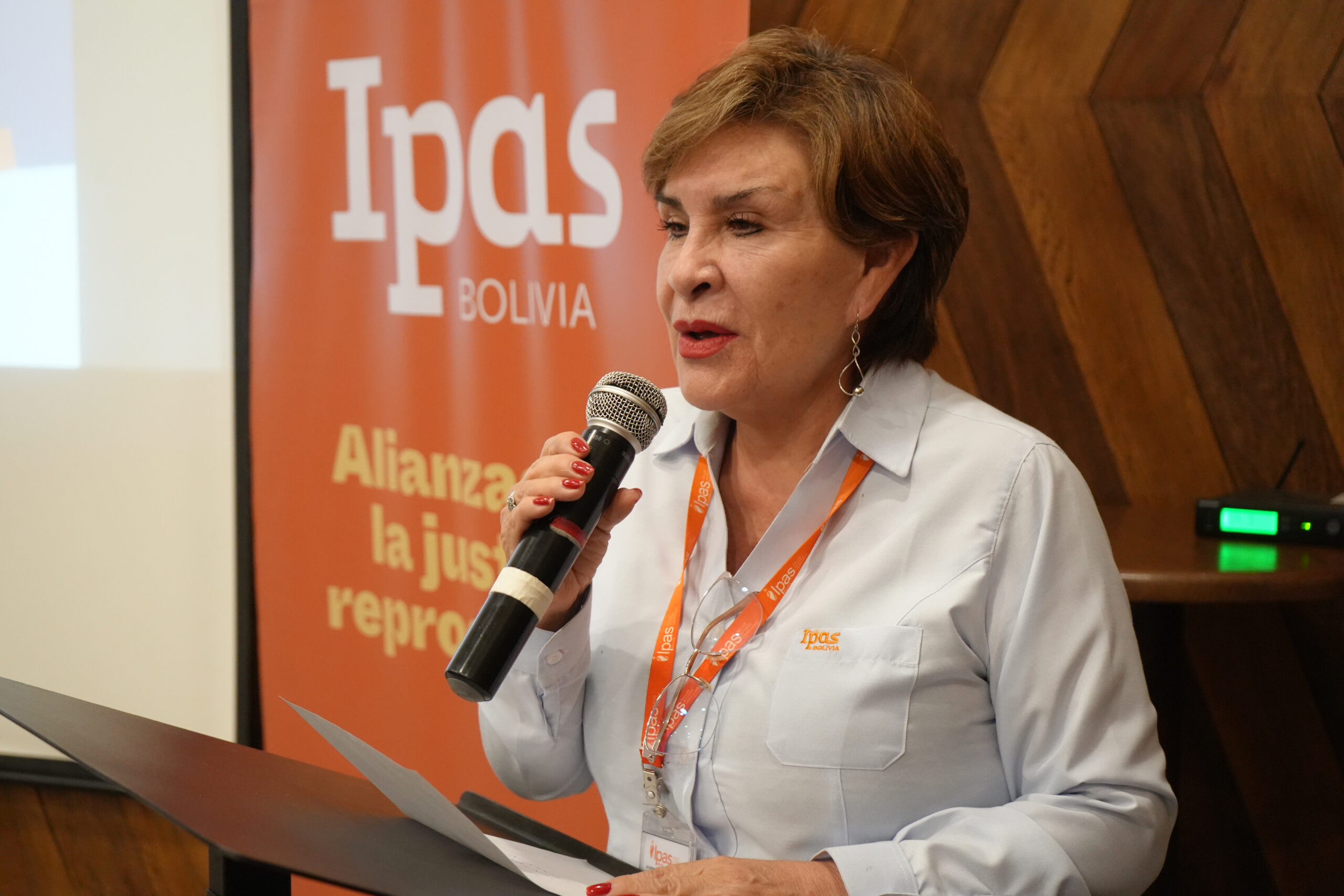
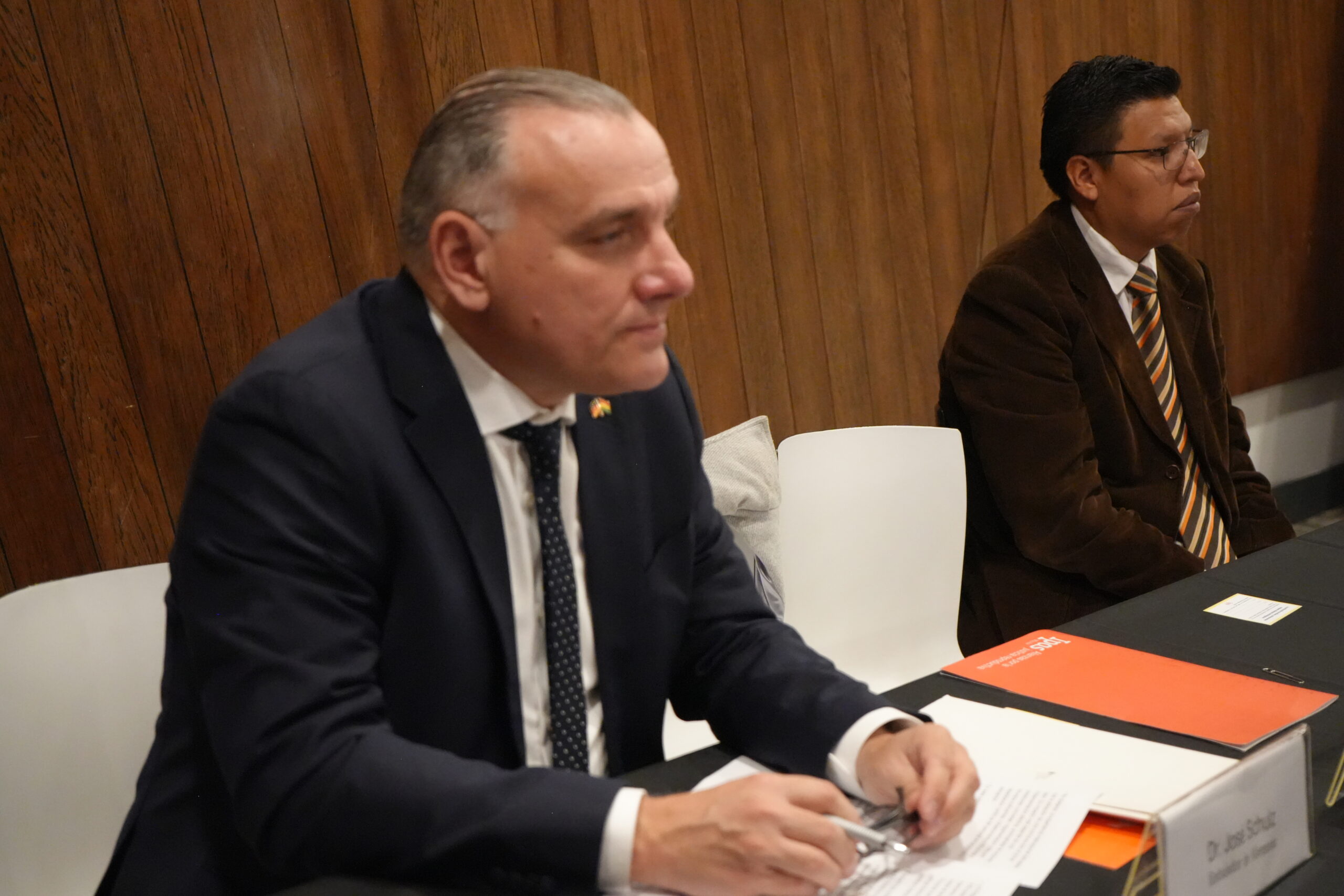
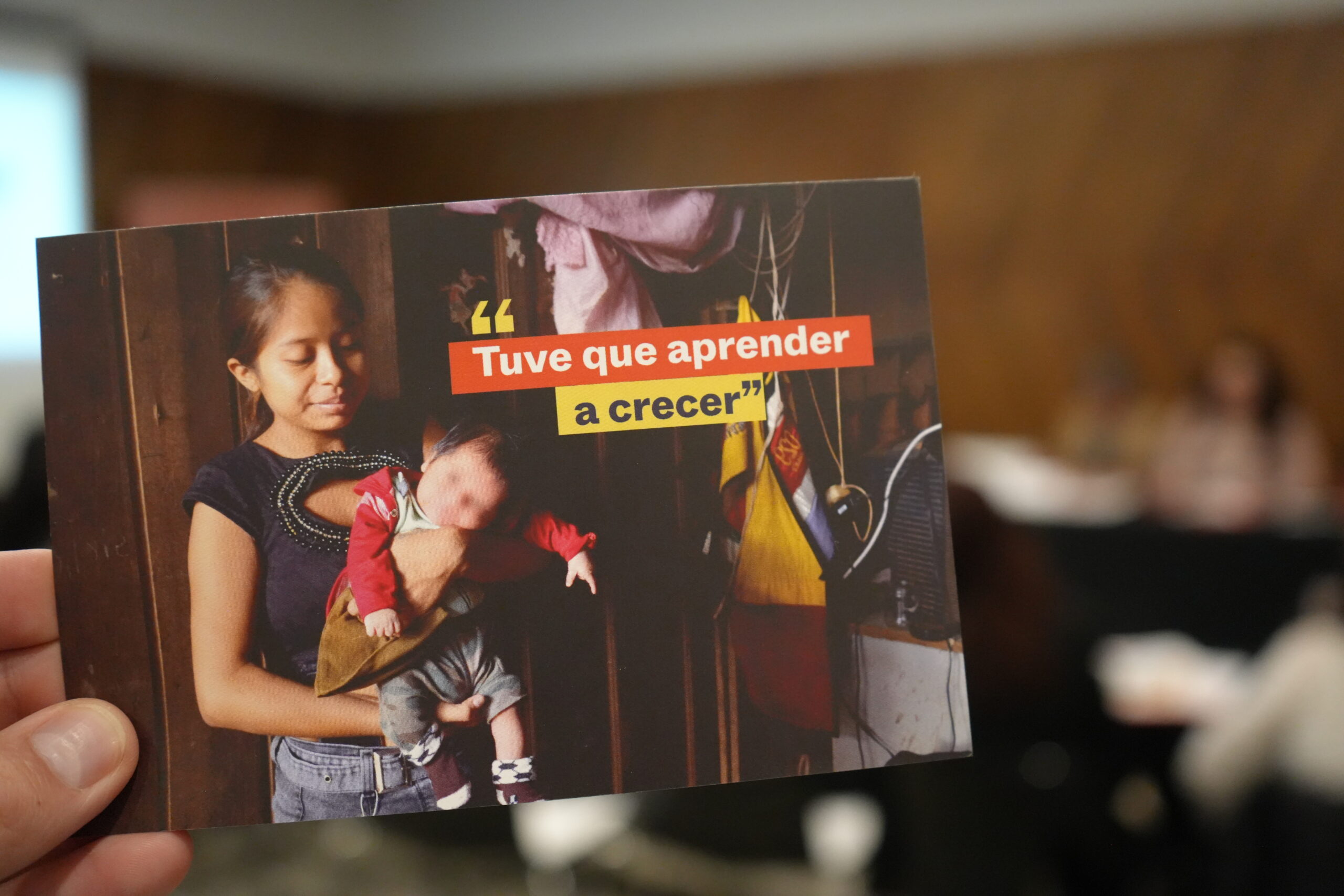
During the presentation, the Nexus STS approach, developed by Ipas Global, was presented, which articulates three structurally interconnected issues: child marriage , teen pregnancy and school dropout(STS). In the Bolivian context, this approach has been adapted by Ipas Bolivia in line with Law No. 1639, prioritizing the prevention of MUITF as a structural cause of multiple rights violations and promoting an intersectoral, measurable response based on human rights and sexual and reproductive rights.
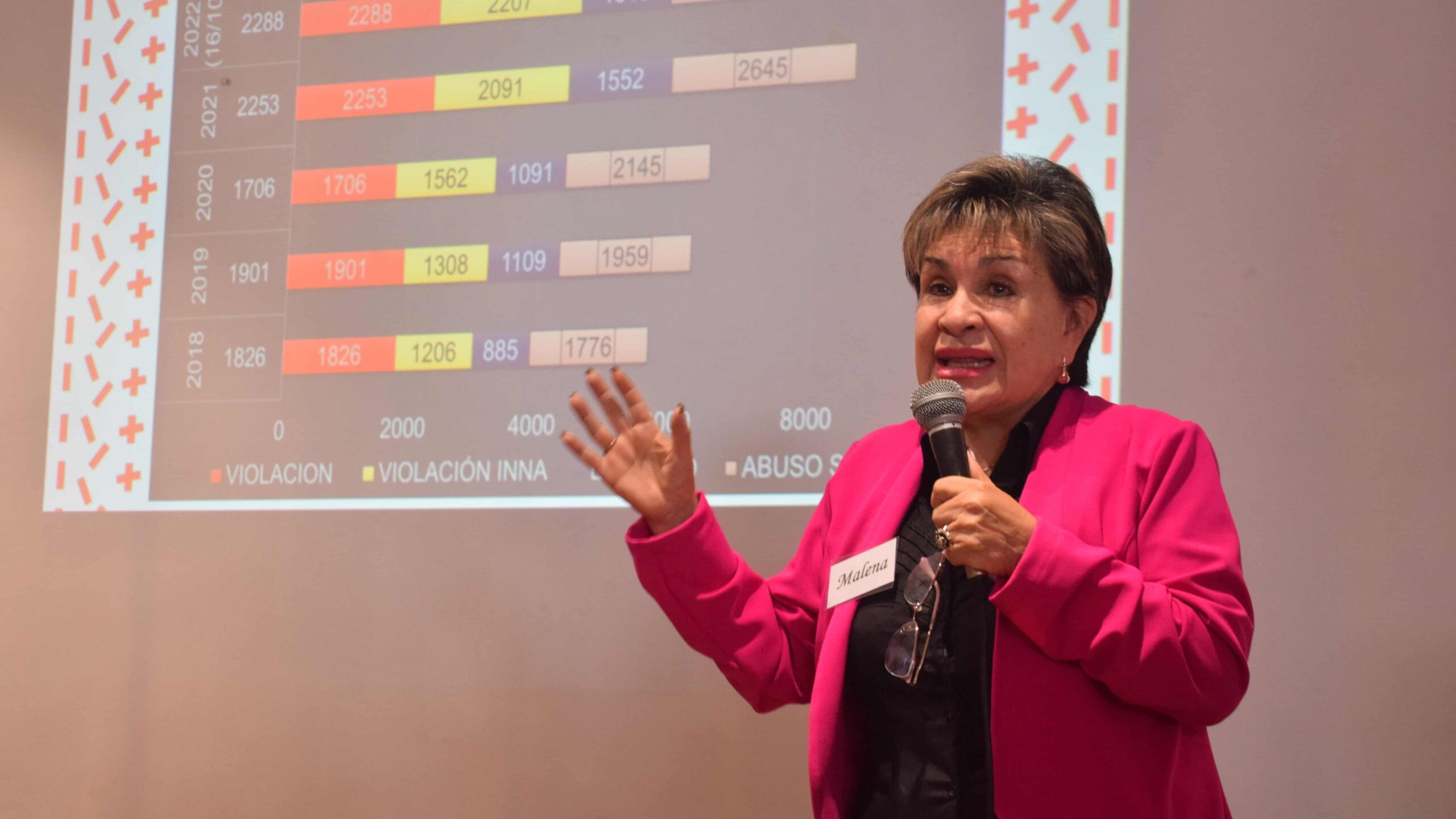
The event placed special emphasis on Social Norms Change, highlighting its fundamental role in transforming practices, beliefs and dynamics that perpetuate MUITFs. Ipas Bolivia presented a national and territorial diagnosis of these unions, sharing key data that show their magnitude and the existing gaps in different contexts of the country. The main changes introduced by Law No. 1639 were also explained, highlighting both the normative advances achieved and the challenges that remain for its effective implementation.
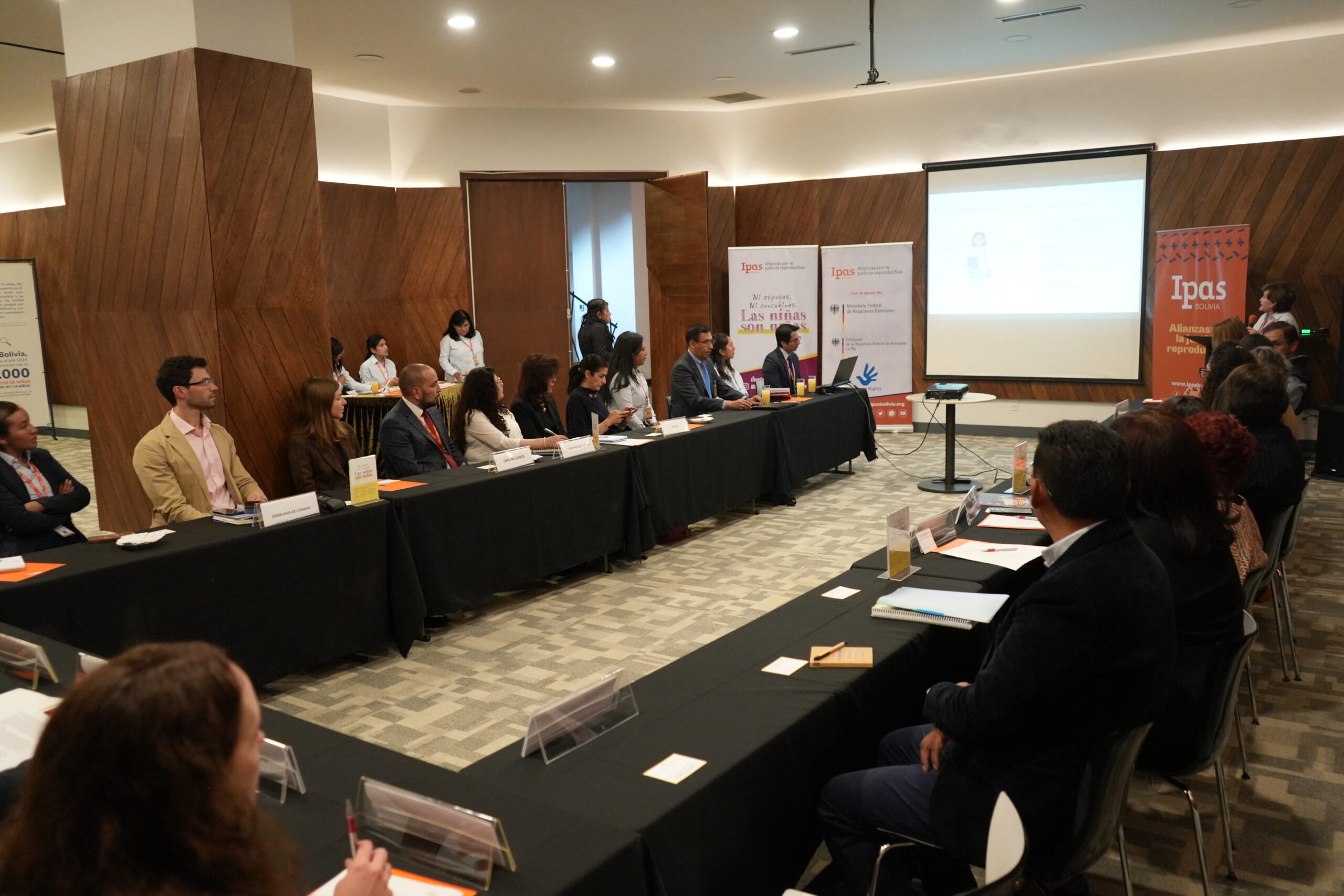
The event provided a space for informed dialogue and inter-institutional coordination, reinforcing the need to move forward from the normative framework to concrete action. From a comprehensive and rights-based perspective, Ipas Bolivia reaffirmed its commitment to accompany the implementation of Law No. 1639, promoting sustainable responses that prevent MUITF and guarantee girls and adolescents the full exercise of their rights and the construction of life projects free of violence.